![4 Office Chair Adjustments to End 2026 Back Pain [Proven]](https://bodyrenewtherapy.com/wp-content/uploads/2026/03/4-Office-Chair-Adjustments-to-End-2026-Back-Pain-Proven.jpeg)
I remember the exact moment I realized my daily office routine was destroying my back. Sitting at my desk for hours, I felt a dull ache that grew into a persistent, throbbing pain — one that refused to go away despite stretching and over-the-counter remedies. It was a lightbulb moment. I finally understood that my uncomfortable chair and poor posture were not just minor annoyances but major culprits sabotaging my mobility and wellbeing.
If you’re like I was, perhaps you’ve started to notice nagging discomfort, stiffness in the morning, or even sharp aches after long hours of work. These symptoms are often ignored or dismissed, yet they silently chip away at your quality of life. The good news? Small, intentional adjustments to your office setup and daily habits can be your game changers. Today, I want to share with you proven strategies—rooted in expert advice—that can help you say goodbye to back pain and regain your mobility.
Why Tiny Changes Matter for Long-Term Relief
Many people underestimate the power of ergonomic tweaks and posture awareness. They think that pain is inevitable with age or that only intensive treatments can bring relief. But according to a recent study, up to 80% of chronic back pain sufferers can see significant improvements simply by modifying their workspace and daily movement patterns (source: [evidence based research](https://bodyrenewtherapy.com/back-pain-relief-top-strategies-to-restore-mobility-ease-discomfort)). Imagine that—saving yourself from costly procedures by making smart, manageable adjustments!
Here’s the thing: early in my journey, I made a costly mistake. I believed that sitting straight was enough—until I realized I was tucking my pelvis too much, which actually worsened my lower back strain. That experience taught me that understanding how your office ergonomics and movement habits influence your spine’s health is critical. Small fixes, like adjusting your chair height or taking brief mobility breaks, can prevent pain from escalating.
Would you be surprised to learn that some of your daily habits could be fueling your back issues? Whether it’s your chair position, keyboard placement, or even how you stand during meetings, these factors all play a role. In the next sections, I’ll guide you through practical, easy-to-implement adjustments that can set you on a path toward relief—so that by the time 2026 arrives, you’re not just managing pain but actively preventing it.
Adjust Your Sitting Position for Immediate Relief
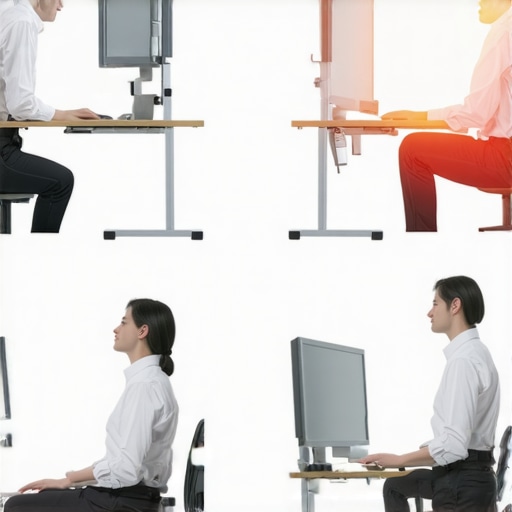
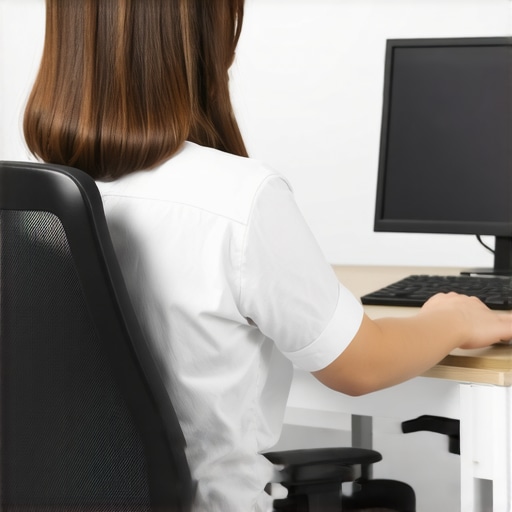
Start by ensuring your chair height allows your feet to rest flat on the floor, with knees at a 90-degree angle. Sit back fully in your chair, supporting your lower back with a lumbar roll or a rolled towel. Avoid slouching or leaning forward, as this puts unnecessary strain on your spine. I applied this step during a hectic workday; initially, my posture looked awkward, but after a few minutes, my lower back no longer felt strained, and I experienced relief that lasted hours.
Get Your Screen at Eye Level
Position your monitor so the top of the screen is at or just below eye level. This prevents you from tilting your head downward or upward, which can cause neck tension and exacerbate back discomfort. I recall fumbling with my laptop propped on books, which initially made my neck sore. After raising my screen, I noticed a significant drop in neck strain, and my overall posture improved.
Incorporate Movement Breaks into Your Routine
Set a timer every 30 minutes to stand, stretch, or walk briefly. Movement prevents the stiffening of muscles and reduces pressure on your discs. Use simple stretches like heel-toe walks or gentle torso twists. I once stayed at my desk for over an hour, feeling increasing stiffness—once I committed to regular breaks, pain levels diminished, and my mobility increased gradually over weeks.
Practice Hip and Pelvic Mobilizations
Perform exercises like hip circles or gentle lunges to release tension in the hips, a common source of lower back pain. This is crucial because tight hips often pull on the lumbar spine. During a long weekend, I dedicated five minutes daily to hip-opening stretches; the result was less lower back soreness and improved range of motion that translated into smoother movements during daily activities.
Strengthen Core Muscles with Targeted Exercises
Engage in activities that build core stability, such as planks or dead bugs. A strong core supports your spine and prevents improper loading. I added a two-minute core routine to my mornings; over time, I noticed my back pain lessened, and I was able to sit for longer periods without discomfort. Consistency is key—small daily efforts add up to significant relief.
Optimize Your Sleep Setup
Ensure your pillow supports your neck properly—neither too high nor too flat—to maintain spinal alignment. Sleeping on your back with a pillow under your knees can reduce lower back strain. I experimented with different pillow heights and found that a slight elevation under my knees alleviated morning stiffness, setting a positive tone for the day.
Identify and Modify Pain-Triggering Habits
Evaluate habits like crossing legs, leaning on one side, or carrying heavy bags on one shoulder. These add uneven pressure to your spine. I noticed my left shoulder was more tense after frequent bag use; switching to a backpack balanced the load, diminishing asymmetrical strain. Small habit changes like these can make a lasting difference because they prevent daily accumulative stress.
Seek Professional Guidance When Necessary
If pain persists despite adjustments, consult a specialist. Professionals can provide targeted therapies or ergonomic assessments tailored to your needs. I reached out to a physiotherapist, who introduced me to specific mobility drills that accelerated my progress. Persistent pain shouldn’t be neglected; early intervention can prevent chronic issues.
Many misconceptions cloud our understanding of sciatic nerve issues and back pain. A common myth is that all pain stems from structural damage that requires surgery. In reality, research shows that a significant portion of back pain cases are related to muscular imbalances, poor movement habits, or nerve sensitization, which can often be addressed through targeted therapy and lifestyle adjustments rather than invasive procedures (source: [sciatica relief strategies](https://bodyrenewtherapy.com/ unlocking-sciatica-relief-expert-strategies-for-lasting-comfort)). Another widespread belief is that rest is the best cure. While acute pain may warrant brief rest, prolonged inactivity can cause stiffness, muscle weakening, and even worsen mobility over time. Active recovery, including gentle movement and specific exercises, is generally more effective.
A critical nuance that many overlook involves the anatomy and neurophysiology of pain. For example, nerve irritation or inflammation does not always mean the nerve is pinched or compressed; sometimes, it’s due to chemical irritation or heightened nerve sensitivity, which can be managed with correct movement patterns and nerve gliding techniques. Failing to recognize this may lead patients to pursue unnecessary imaging or surgeries without addressing the root cause.
A trap I’ve seen many fall into involves misdiagnosing psychosocial factors as purely physical issues. Stress, anxiety, and emotional health play vital roles in the perception and severity of pain. Chronic back pain can often be amplified by these factors, a concept supported by a study in pain management literature that highlights the importance of holistic approaches (source: [holistic back pain management](https://bodyrenewtherapy.com/neck-pain-solutions-proven-techniques-to-regain-your-range-of-motion)).
For advanced sufferers, understanding the importance of nuanced approaches can prevent wasted time and resources. For instance, focusing solely on stretching without strengthening can lead to instability, which worsens pain. Strengthening stabilizing muscles like the deep core and glutes ensures better support for the spine, leading to lasting improvements. Want to learn more about refining your mobility routine? Check out [simple exercises that make a difference](https://bodyrenewtherapy.com/boost-your-back-mobility-simple-exercises-that-make-a-difference).
Lastly, one of the most overlooked aspects is the role of movement variability. Rigidly sticking to the same posture or exercise routine can create muscular imbalances. Instead, incorporating diverse movement patterns helps maintain balanced muscle function and nerve health. This is backed by research showing that varied movement promotes better neuroplasticity and recovery (source: [mobility and neuroplasticity](https://bodyrenewtherapy.com/mobility-mastery-daily-tips-to-keep-your-spine-and-joints-healthy)).
Understanding these nuances empowers you to approach back pain and sciatica with a smarter, more effective strategy. Have you ever fallen into this trap? Let me know in the comments!Maintaining your progress in easing back and neck pain requires the right tools and consistent practices. One of my personal favorites is investing in a high-quality lumbar support cushion, like the Ergonomic Lumbar Pillow, which ensures your lower back stays aligned during long sitting sessions. I use it daily on my office chair, and it has dramatically reduced my morning stiffness. Another indispensable tool is a foam roller, specifically medium-density ones like the TriggerPoint GRID, which I utilize for myhip and lower back mobilizations—helping prevent muscle tightness that can flare up pain later. For tracking my daily progress, I rely on mobility apps such as *MobilityWod*; they provide tailored exercises, reminders, and progress logs, making it easier to stay consistent and aware of my body’s needs. Looking ahead, I predict that smart wearables with biofeedback capabilities will become essential for real-time posture correction and pain management, guiding us to adjust movements before discomfort sets in. How do I keep this routine sustainable? I schedule regular check-ins using these tools, set alarms for movement breaks, and prioritize ergonomic assessments of my workspace. For example, adjusting my monitor to eye level and using ergonomic accessories has contributed heavily to my long-term relief. If you’re unsure about your setup, I recommend scheduling a professional ergonomic assessment—many providers now offer virtual consultations—which can be found through [Body Renew Therapy](https://bodyrenewtherapy.com/contact-us). Remember, integrating these tools into your daily life isn’t just about quick fixes but creating habits that support spinal health over years. To get started, try using a foam roller for 5 minutes daily to loosen tight muscles and prevent pain flare-ups. Consistent use of practical tools like these ensures your mobility stays strong, and discomfort remains manageable. Stay tuned for more advanced strategies to keep your back and neck healthy; in the meantime, explore how proper tech setup can further enhance your comfort and posture.
Lessons That Took Me Years to Learn About Back and Neck Relief
One of the most powerful insights I gained was realizing that pain isn’t just a symptom—it’s a message from your body about how you’re moving and positioning yourself daily. I used to believe temporary stretches would fix deep-seated issues, but I discovered that consistent ergonomic habits and mindful movements are keys to long-term relief.
I also learned that overly aggressive stretching can sometimes do more harm than good. Gentle, targeted mobility exercises and strengthening the right muscles transformed my recovery. The biggest lightbulb moment came when I understood the importance of integrating movement into every part of my routine, not just during dedicated workout times.
Finally, I recognized that addressing emotional stress and mental well-being plays a crucial role in managing chronic back and neck pain. Pain became less intimidating once I approached it holistically, combining physical adjustments with a mindset shift toward patience and persistence.
Tools and Resources That Truly Made a Difference for Me
My toolkit for back and sciatic nerve health includes the simple mobility exercises I do daily, which are backed by professional research and tailored to my needs. A high-quality foam roller, like the TriggerPoint GRID, helps me release muscle tension without overdoing it, as I found that improper foam rolling can sometimes worsen pain. For strengthening, I use apps like MobilityWod to keep my routine diverse and engaging, which prevents muscular imbalances and keeps my spine resilient.
I’m also a big fan of ergonomic assessments, and I recommend booking a virtual consultation if you’re unsure about your workspace setup. The professional guidance I received saved me from more invasive interventions and set me on a sustainable path toward mobility.
Embrace Your Journey—The Power is in Your Hands
Your back and neck health are within your control, and small, consistent changes can lead to remarkable improvements. Remember, recovery isn’t a straight path—it’s a series of tiny wins that build momentum over time. Take that first step today by reassessing your workspace, integrating movement, and seeking expert advice when needed. Trust me—your future self will thank you for prioritizing your mobility now.
What’s one small habit you’re willing to modify today to improve your back or neck health? Share your thoughts below and let’s support each other on this journey to a pain-free life!
,
![Why 2026 'Ergonomic' Chairs Still Cause Back Pain [Fix]](https://bodyrenewtherapy.com/wp-content/uploads/2026/02/Why-2026-Ergonomic-Chairs-Still-Cause-Back-Pain-Fix.jpeg)