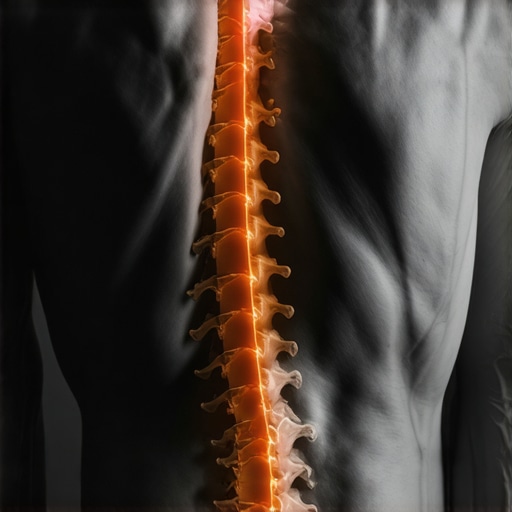
I’ll never forget the moment I realized my back was holding me hostage. It was during a simple stretch, and suddenly, a sharp jolt shot through my lower back, stopping me cold. It was a wake-up call—my daily habits and neglect had caught up with me, turning movement from effortless to uncomfortable. Sound familiar? If you’ve ever experienced that sudden twinge or ongoing discomfort that saps your vitality, you’re not alone.
Your Back Shouldn’t Dictate Your Day
Back pain is a common plague, but what if I told you there’s hope — practical, doable steps that can drastically improve your mobility and reduce discomfort? Today, we’ll explore proven strategies, backed by expert insights, that can help you regain control and move through your day with confidence.
Is It Worth the Hype to Focus on Back and Neck Mobility?
Early on, I made the mistake of dismissing small signs of stiffness, thinking they’d just go away. Spoiler alert: they didn’t. In fact, neglecting these signs often worsens discomfort over time. According to recent research, maintaining mobility isn’t just about avoiding pain; it’s crucial for overall health and preventing chronic issues (source). So, yes, prioritizing your back and neck health is an investment in your future self.
Are you tired of feeling like back pain is just part of aging? Curious about simple techniques that can make a real difference? Keep reading—next, we’ll dive into actionable steps you can start today to turn this situation around.
Targeted Stretching to Loosen Up Your Spine
One of the most effective ways to improve back and neck mobility is through targeted stretching. I remember the first morning I committed to a simple 5-minute stretch routine. Initially, I felt awkward, like a rusty hinge trying to move smoothly. But after a week, I noticed an increase in flexibility and a decrease in discomfort. To begin, focus on gentle spinal twists, hamstring stretches, and shoulder rolls. Think of your spine as a flexible garden hose—the more you stretch it gently, the less it kinks and the more water (or movement) flows freely. Incorporate these stretches daily, especially after long periods of sitting, to prevent stiffness and improve range of motion. For detailed exercises, visit this guide for easy routines.
Strengthen Core Muscles to Support Your Spine
Engage Your Abs and Back with Simple Exercises
Building core strength is crucial—your core muscles act as the foundation for your spine. I once tried to do planks, but my back started hurting within seconds. The key was proper form and choosing the right exercises. Start with modified planks on your knees, or try bird dogs—lifting opposite arm and leg while maintaining a stable torso. Think of your core as the scaffolding of a building; a sturdy scaffold keeps the structure upright and prevents sagging. Strengthening these muscles reduces strain on your lower back during daily activities. Consistent, controlled movements not only improve mobility but also shield against future pain. For a step-by-step program, check out this resource.
Adjust Daily Habits to Maintain Better Posture
Small changes in your daily routine can lead to big improvements in back health. I noticed my posture suffering after hours at my desk, leading to neck stiffness and back pain. I began setting timers to remind myself to stand, stretch, and adjust my sitting position. Think of your spine like a suspension bridge—constant tension and alignment are essential for stability. Use ergonomic supports, keep your monitor at eye level, and avoid slouching. When standing, distribute weight evenly on both feet, and when sitting, ensure your hips are slightly higher than knees. These habits keep your spine aligned and prevent chronic discomfort. For ergonomic tips tailored to everyday life, see this guide.
Incorporate Gentle Movement Throughout Your Day
Sitting or standing stationary for hours can stiffen your back and neck. I learned this firsthand when I tried to work through a full day at my desk without breaks—by afternoon, I was aching. Break the cycle with deliberate movement: walk around, gentle torso turns, or even neck tilts. Visualize your spine as a winding river—constant gentle flow prevents stagnation and blockages. Aim to move at least once every 30 minutes. This not only improves circulation but also keeps your muscles from tightening up. Simple activities like upward stretches, shoulder shrugs, or walking short distances can make a significant difference. Need quick tips? Visit this resource.
Address Sciatica and Persistent Pain Promptly
If you experience radiating pain down your leg or persistent discomfort, addressing it promptly is vital. I once ignored my sciatic pain, hoping it would resolve on its own, but it only worsened. Recognize key signs that may indicate more serious issues, like numbness or weakness. When symptoms persist, consider targeted therapies like specific stretches or professional assessments. Quick home remedies, such as a warm compress or gentle piriformis stretches, can provide relief—see this guide for options. Remember, early intervention can prevent chronic problems and restore mobility faster.Many people assume that acute pain always signals serious damage, prompting unnecessary alarm or even over-treatment, which can paradoxically prolong discomfort. In reality, this widespread misconception often leads to fear-avoidance behaviors, where individuals avoid movement altogether, worsening stiffness and reducing recovery chances. Challenging this narrative, expert research indicates that controlled, appropriate activity is essential for healing and mobility restoration (source). Additionally, a common myth is that only severe injuries cause chronic pain; however, subtle misalignments or minor strains, if left unaddressed, can evolve into long-term issues. Recognizing these nuances is crucial for effective management and avoiding advanced mistakes, such as ignoring early signs or relying solely on passive therapies.
What Advanced Mistakes Do Most People Make When Dealing with Mobility Issues?
One of the most overlooked errors is focusing exclusively on stretching or strengthening without addressing underlying postural or ergonomic contributors. For instance, someone might diligently perform back stretches but neglect their workstation setup, which continues to stress their spine. Ignoring this common trap can lead to persistent problems, as the root cause remains uncorrected. Remember, comprehensive assessment often integrates biomechanical analysis, lifestyle review, and targeted interventions. For example, an ergonomic evaluation can reveal subtle issues like chair height or monitor position that perpetuate poor posture, fueling pain cycles. To optimize your approach, consider consulting with a professional familiar with these detailed nuances—reach out through this contact page.Maintaining back and neck mobility over time requires more than just daily stretches; it benefits from the right tools and consistent routines. One essential device I swear by is the foam roller. I personally use a textured, high-density foam roller to target tight muscles and fascia around my spine and hips. Rolling out these areas helps break down knots and enhances blood flow, which is crucial for long-term health. I prefer the TriggerPoint GRID foam roller because of its durability and segmented design, allowing me to drill down into specific spots with controlled pressure. Regular use—about 5 to 10 minutes daily—has significantly reduced stiffness and improved my overall mobility, especially after prolonged sitting or intense workouts. Another tool I rely on is a set of resistance bands. These versatile bands help me perform gentle strengthening exercises that support my core and back muscles. I appreciate bands with different resistance levels, so I can gradually increase intensity as my strength improves, making exercises both accessible and sustainable. I particularly use the loop bands for exercises like bird dogs and standing rotations, which reinforce spinal stability and prevent future issues. For software, I recommend tracking your mobility efforts with apps like MyFitnessPal or specific routines via YouTube channels dedicated to back health, such as those focusing on mobility and posture correction. Tracking progress keeps motivation high and helps you maintain consistency. Looking ahead, I believe smart wearable technology will become more integrated into mobility maintenance—think posture sensors or biofeedback devices that alert you when you’re slouching or staying static too long. This integration can facilitate real-time corrections and foster better habits over time.
**How do I keep my mobility routines effective over the long term?** Regularly reassess your tools and routines to adapt to your evolving needs. For example, when my current foam roller no longer provided the same relief, I upgraded to a vibrating model from Hyperice, which adds an extra layer of muscle relaxation. Incorporating different tools at various stages ensures sustained progress and prevents plateaus. Also, consulting with specialists, like physical therapists, can help tailor your toolkit to your specific conditions. If you’re ready to take your mobility seriously, I encourage you to try using a foam roller like the TriggerPoint GRID—it’s a game changer for muscle recovery and flexibility. For comprehensive guidance on maintaining your back health, explore these daily tips. Consistency and the right tools are your best allies for a pain-free, flexible future.
What I Wish Someone Told Me Before Starting
One of the most eye-opening lessons I learned was that progress isn’t always linear. There were days when I’d see little to no improvement, but pushing through those plateaus made the breakthroughs even sweeter. I realized that patience and consistency are vital, especially when dealing with stubborn back and neck stiffness.
Another insight was understanding that every individual’s body reacts differently. What worked wonders for one person might not be as effective for another. This taught me the importance of listening to my body and tailoring routines accordingly. Personalization is key to sustainable mobility improvements.
Finally, I discovered that addressing lifestyle habits—like ergonomic setups and daily movement—has a profound impact. Focusing solely on stretches or exercises without correcting the environment and habits is like fixing a leak without stopping the flood. Incorporate these changes; they’re the catalyst for lasting relief.
My Go-To Toolkit for Lasting Back and Neck Mobility
Over the years, I’ve curated a set of tools that truly support my mobility journey. The TriggerPoint GRID foam roller is my favorite for releasing muscle knots and fascia tension—regular rolling prevents stiffness and enhances flexibility. I also swear by resistance bands, which allow me to perform controlled strengthening exercises that stabilize my spine without risking injury.
For quick relief and ongoing recovery, I rely on guided routines from trusted sources like ergonomic tips and mobility guides. Incorporating these resources keeps my routine fresh and effective. Remember, tools are only as good as your consistency—the real magic happens when you make these practices part of daily life.
Your Next Step Could Be the Most Empowering
Thinking back, I wish I’d understood sooner that managing back and neck mobility is a journey, not a quick fix. Each small step, be it a stretch, an ergonomic adjustment, or a mindful movement habit, creates a ripple of change. The most important thing is to start—right now. Your body is more adaptable than you realize, and with patience and the right approach, you can reclaim your vitality and confidence.
Are you ready to take that first step toward better mobility? Let me know below how you plan to begin or what challenges you face—your story might inspire someone else to start their own journey today.
**