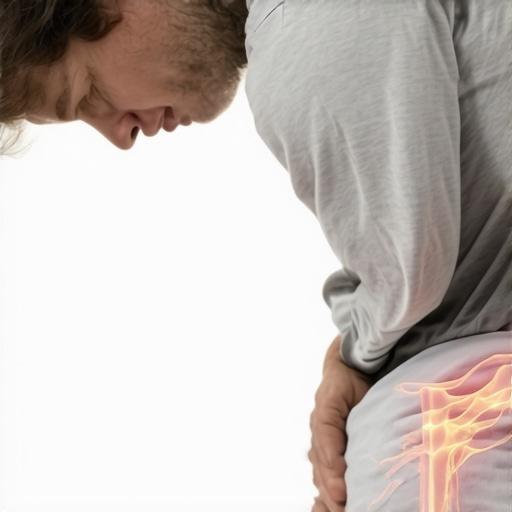
waking up after a long day, I felt that familiar twinge in my lower back. It was a dull yet persistent ache that seemed to settle in more stubbornly each morning. For weeks, I brushed it off, convincing myself it was just temporary strain. But one evening, as I struggled to bend down and pick up my laundry, I had a lightbulb moment: this relentless discomfort was signaling something more serious. That realization prompted me to reevaluate my approach to back health and led me to discover strategies that truly make a difference.
Why Your Back Might Be Holding You Hostage and What to Do About It
Back pain can feel like an uninvited guest that overstays its welcome, impacting every part of your day—from simple movements to your overall mood. The good news is, many of these issues aren’t permanent, and with some targeted care, you can regain mobility and reduce discomfort. I want to share with you not just what worked for me, but proven methods to help you restore your confidence in your body’s flexibility. It’s essential to address the root causes rather than just masking symptoms, and I’ll guide you through effective strategies that are backed by experts.
Is Sciatica Relief Overhyped or Actually Life-Changing?
Early on, I made the mistake of underestimating the importance of proper posture and movement. I figured a few stretches here and there would suffice. Spoiler alert: it didn’t. I learned that a holistic approach—combining therapy, exercises, and lifestyle adjustments—is key to lasting relief. If you’ve faced similar doubts or fears about the effectiveness of these strategies, rest assured — many people, including myself, have transformed their pain management routines for better mobility. For an in-depth look into expert-recommended techniques, check out this comprehensive guide on sciatica relief.
So, are you ready to explore the practical steps that can help you move freely again? Let’s dive into the core strategies that can turn your pain story around.
Targeted Exercises for Instant Relief
Start with gentle stretches that activate your spine and hips. For example, lie on your back and slowly bring your knees to your chest, holding for 15 seconds. This acts like loosening a tight, rusty hinge—making movement smoother. I recall one morning where I felt stiff after a restless night; performing this stretch helped reduce the ache faster than I expected, enabling me to start my day with a bit more comfort. Consistency is key; aim for 2-3 repetitions daily. To deepen your practice, incorporate movements like pelvic tilts and cat-cows, which mobilize your entire back. These simple yet effective exercises can be learned from [this guide](https://bodyrenewtherapy.com/boost-your-back-mobility-simple-exercises-that-make-a-difference).
Posture Adjustments That Make a Difference
Your daily habits significantly influence back health. Think of your spine as a stack of books; if one is out of alignment, the entire pile wobbles. After noticing my slouching at work, I used a lumbar roll to maintain proper lower back curvature—much like adding a shim under uneven furniture. Setting your workstation to ergonomic standards prevents cumulative damage. For instance, monitor height should align with your eye level to avoid neck strain. Regularly switching positions and taking short breaks to stand or stretch can prevent stiffness. Explore ergonomic tips [here](https://bodyrenewtherapy.com/enhance-your-back-mobility-ergonomic-tips-for-everyday-comfort).
Stretching and Strengthening Protocols for Long-Term Impact
Incorporate targeted stretches such as hamstring and hip flexor stretches to reduce tension that radiates into your back. When I included hamstring stretches in my routine, I noticed better pelvis stability, which lessened my sciatic discomfort. To strengthen supporting muscles, focus on core exercises like planks or bridges. These act like the scaffolding of a building, providing essential support to prevent future injury. Begin with beginner-friendly routines, gradually increasing intensity. For detailed protocols, check out [this resource](https://bodyrenewtherapy.com/boost-your-back-mobility-simple-exercises-that-make-a-difference).
Mindful Movement to Prevent Reinjury
Pay attention to how you move during daily tasks. Avoid twisting your spine abruptly; instead, pivot with your hips, much like turning a steering wheel—smooth and controlled. I once attempted to lift a heavy box without proper form and felt a sharp pain; afterward, I learned to hinge at the hips, keeping my back straight. Practicing mindful movement reduces strain and reinforces neural pathways that promote safer biomechanics. Incorporate awareness during activities like picking up groceries or reaching overhead. This simple shift can save you from setbacks and is supported by expert advice [here](https://bodyrenewtherapy.com/understanding-the-link-between-poor-posture-and-chronic-back-pain).
Lifestyle Changes for Sustainable Mobility
Consider integrating regular walks into your day, which serve as natural moving therapy—like oiling a squeaky hinge. I started walking 20 minutes daily, which improved circulation and flexibility, easing my back and neck discomfort. Maintaining healthy weight reduces load on your spine, akin to how reducing weight lightens a rucksack. Adequate hydration and a balanced diet support tissue repair and elasticity. Additionally, managing stress through relaxation techniques prevents muscular tension that worsens pain. To understand more about comprehensive lifestyle modifications, visit [this guide](https://bodyrenewtherapy.com/overcoming-sciatica-top-lifestyle-changes-for-better-quality-of-life).
Enhancing Mobility with Professional Guidance
If your discomfort persists, consulting a physical therapist can be transformative. They can tailor a program precisely for your needs, much like a bespoke suit fits perfectly. Techniques such as manual therapy or guided exercises accelerate progress and prevent setbacks. At times, I found that professional adjustments complemented my routine, yielding faster results. For expert treatment options, explore [here](https://bodyrenewtherapy.com/sciatica-treatments-how-to-improve-mobility-reduce-pain-fast). Remember, combining self-care with professional support creates a powerful synergy for recovery.
Many believe that back pain and sciatica are straightforward issues solely caused by muscle strain or nerve compression. However, this simplistic perspective often leads to misconceptions and ineffective treatments. For instance, a prevalent myth suggests that complete rest is the best way to heal. In reality, prolonged inactivity can weaken supportive muscles and prolong recovery, as highlighted by recent studies emphasizing the importance of controlled, gentle movement for spinal health. Instead of viewing pain as just a localized problem, it’s crucial to recognize the complex interplay of posture, movement patterns, and psychosocial factors. This understanding prevents oversimplification and encourages more nuanced management.
One subtle trap many fall into is focusing exclusively on symptomatic relief—like taking painkillers—without addressing underlying causes. While medications can provide temporary relief, they often mask symptoms and delay proper healing if not combined with targeted therapy. For example, ignoring persistent postural habits or ergonomic flaws can cause pain to recur despite short-term fixes. The key lies in integrating lifestyle adjustments with structured rehabilitation strategies, such as specific strengthening exercises and posture corrections, which I discuss in depth on my blog.
What Advanced Knowledge Can Help Us Avoid Common Pitfalls?
Understanding the biomechanics of the spine at a granular level reveals that a minor misalignment or muscular imbalance can cascade into chronic pain over time. Experts like Dr. Stuart McGill have extensively researched how subtle changes in core stability impact spinal health and have proven that tailored exercises targeting deep stabilizers significantly reduce recurrence rates. A recent study published in the Journal of Orthopaedic & Sports Physical Therapy states that personalized, movement-based interventions outperform generic flexible routines in managing persistent back issues. This evidence underscores the importance of adopting nuanced, expert-backed approaches rather than relying on general advice.
Paying attention to the nuances prevents falling into common traps that hinder recovery. For instance, avoiding forward bending movements excessively might seem protective but can lead to deconditioning of hip and core muscles, making you more vulnerable in the long run. Similarly, neglecting stress management can perpetuate muscular tension, exacerbating pain cycles. Recognizing these invisible factors pushes us towards comprehensive, sustainable solutions. Want to learn more about optimizing your movement patterns? Check out this detailed resource on posture and pain for expert insights.
Have you ever fallen into this trap? Let me know in the comments and share your experiences with your journey toward better mobility and pain relief.
Maintaining your mobility and pain relief routines over the long term requires more than just occasional exercises; it involves investing in reliable tools and adopting smart habits that keep your body functioning optimally. One of the most effective investments I’ve made is in a high-quality foam roller. I personally prefer a dense, textured foam roller because it allows for self-myofascial release, helping to reduce muscle tightness that can cause or worsen sciatic pain and neck discomfort. Using it for 10 minutes daily has significantly improved my flexibility and reduced my reliance on quick fixes. To maximize benefits, I follow the techniques outlined in this guide, which emphasizes targeted pressure areas and proper rolling patterns.
Another crucial tool is a lumbar support pillow, especially if you spend hours at a desk. I switch between my ergonomic chair and a supportive cushion, which maintains proper spinal alignment and prevents habits that lead to chronic pain. Additionally, investing in a sit-stand desk has transformed my workflow, allowing me to alternate positions and reduce static loading on my spine. The trend in workspace ergonomics is moving toward dynamic setups, and I believe this is where the future of long-term mobility maintenance is heading.
Smart habits complement these tools. Incorporating scheduled movement breaks every 30 minutes, where I perform gentle stretches or walk briefly, helps me avoid stiffness and muscle imbalances. I also keep a journal to track any shifts in pain levels or mobility, which helps me adjust my routines proactively. Technology aids this process; I use reminder apps and posture-tracking devices—like smart wearables that alert me when I slouch—to ensure my habits support spinal health consistently.
Keeping these routines sustainable hinges on selective tool use and regular check-ins. I recommend setting fixed times for your mobility exercises and equipment maintenance, such as replacing foam rollers every 6-12 months depending on wear. A good rule of thumb is to revisit your ergonomic setup monthly to adjust for any changes in your workspace or comfort levels. Over time, these investments and habits create a resilient foundation for your body’s mobility.
Looking ahead, the integration of intelligent posture-monitoring systems and personalized therapy apps will likely revolutionize how we maintain our spinal health. These tools can provide real-time feedback and tailored recommendations, making longevity in mobility more achievable than ever. Experts like Dr. Stuart McGill predict ongoing advancements that will make preventive care more accessible and effective.
If you haven’t yet, try incorporating a foam roller into your routine, focusing on areas of tightness and trigger points. It’s a simple step with profound long-term benefits. To explore more advanced strategies, check out this comprehensive resource, which offers detailed advice on maintaining mobility and reducing pain over time.
Hidden Truths About Living with Back Pain
One of the most eye-opening lessons I’ve learned is that persistent back or neck pain often points to underlying habits that we overlook—like how we sit, move, or stress our bodies daily. Recognizing these subtle patterns was a game-changer for me, teaching me the importance of mindful movement and ergonomic awareness. It took time, but I found that small adjustments—like proper posture—can dramatically reduce discomfort and prevent future issues.
Tools That Make a Real Difference
After experimenting with various tools, I discovered that investing in quality equipment like a sturdy foam roller and supportive lumbar cushions was invaluable. These aren’t just accessories; they’re part of a proactive routine that supports long-term mobility. For anyone serious about keeping their spine healthy, learning how to incorporate these tools effectively—guided by trusted resources—is essential. My favorite guides and resources, such as this detailed exercise guide, have helped me stay consistent and motivated.
Embracing the Power of Consistency and Self-Care
Perhaps the most profound realization has been that recovery and mobility aren’t about quick fixes—they stem from creating habits that honor your body’s needs daily. Small routines like regular stretching, mindful movement, and stress management compound over time to produce lasting benefits. Remember, your body is resilient and capable of remarkable recovery when you nurture it with patience and persistence. This journey has shown me that empowering yourself with knowledge and dedication unlocks a future where pain doesn’t control your life.
Unearthing Unspoken Lessons for Better Health
- Perfection isn’t necessary—progress matters. Even minor tweaks in daily habits can have long-term benefits.
- Understanding your body’s biomechanics helps you avoid common pitfalls—sometimes, the smallest misalignment causes the biggest pain.
- The importance of expert-guided routines cannot be overstated; tailored exercises make all the difference.
- Technology and tools are allies—embrace innovative solutions to support your mobility goals.
- Patience is key. Recovery is a journey filled with small victories that lead to bigger improvements.
Your Path to Lasting Mobility Starts Now
If you’re ready to take the next step, explore the comprehensive strategies outlined in this expert guide on sciatic relief. Remember, every effort you make today brings you closer to a healthier, more mobile tomorrow. Don’t let pain hold you back—your breakthrough is within reach, and it begins with a single mindful choice. So, what’s one small change you can start today to prioritize your back health? Share your thoughts below—I’d love to hear about your journey!