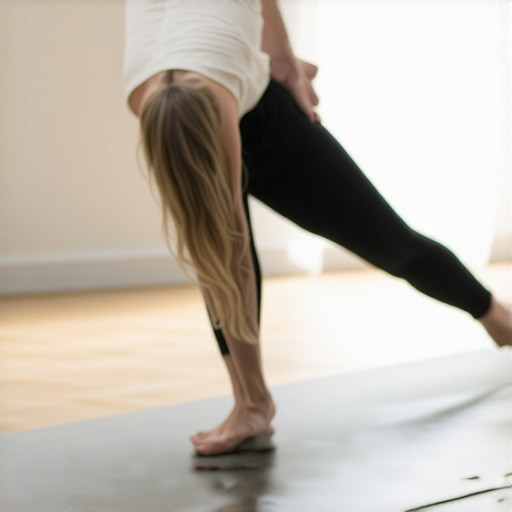
I remember the exact moment I realized my back pain was controlling my life. It was a chilly morning, and I was trying to bend down to pick up my morning paper. Instead of a simple stretch, I was met with a sharp, electric jolt that made me freeze in place. It was then I understood—this wasn’t just a usual ache. It was sciatica, and it was stealing my mobility.
That lightbulb moment pushed me to dig deeper into relief techniques that actually work. And honestly? I wish I had started sooner. The good news is, there are proven strategies that can help you regain your movement and say goodbye to that nagging pain. Today, I’m going to walk you through some of the most effective methods I’ve learned and personally tested, so you can get back to feeling like yourself again.
Why Your Back Pain Might Be More Than Just a Twinge
Back pain, especially sciatic discomfort, can be a real game-changer. It sneaks up on you, often when you least expect it. One minute you’re fine, and the next, simple tasks like walking or sitting become a challenge. The underlying cause is usually nerve irritation or compression, which can be aggravated by poor posture, muscle imbalance, or even stress. Interestingly, recent studies show that over 80% of adults will experience back pain at some point, and many of those episodes can be mitigated with the right care (source: Body Renew Therapy).
If you’ve faced this struggle, you know how frustrating it can be to find relief that lasts. I’ve been there—making the same mistake I see many others repeat early on: ignoring the pain or relying solely on painkillers. That’s a quick fix, but it doesn’t address the root of the problem. Instead, I discovered that combining gentle exercises, proper posture, and targeted therapies truly makes a difference. And I’ll show you how to do the same, step by step.
Is Sciatica Relief Just a Trend or Worth the Hype?
When I first heard about various relief techniques, I was skeptical. I remember trying everything from expensive gadgets to trendy stretches that promised instant results. Honestly? I wasted a lot of time and money before realizing that some methods were just gimmicks. A key mistake I made was neglecting the importance of consistency. Relief isn’t about quick fixes; it’s about adopting routines that support your spine daily.
Now, I focus on proven strategies—like specific exercises and ergonomic adjustments—that actually work. If you’re tired of temporary relief and want to address the root causes, I invite you to explore some of the methods I’ve found effective. Curious if you’ve tried any of these approaches or are just starting out? Let me know in the comments—I’d love to hear your story and share more tips.
Ready to take steps towards mobility and comfort? The next sections will guide you through practical, easy-to-implement techniques that can help you move freely again. Let’s get started!
Start with Gentle Movements to Loosen Up
My first breakthrough came when I decided to incorporate gentle stretches into my daily routine. I remember one morning when I was stiff and hesitant, but I slowly leaned forward, reaching for my toes with controlled breathing. Within minutes, I felt a subtle release in my lower back and hips. This initial step is crucial because it warms up your muscles and nerves, reducing tension that aggravates sciatica.
Tip 1: Incorporate Basic Pelvic Tilts
Lie on your back with knees bent and feet flat on the floor. Gently tilt your pelvis upward, flattening your lower back against the floor, then release. Repeat this 10-15 times. It’s like adjusting the foundation of a building—small shifts can stabilize your entire structure.
Targeted Exercises to Strengthen and Support
Once warmed up, I started doing specific exercises to strengthen core muscles, which act as a natural brace for your spine. I found that focusing on stability prevented further nerve irritation. One effective move was the bridge, where I lifted my hips while lying on my back, engaging my glutes and hamstrings.
Tip 2: Try the Bridge Exercise
Lie on your back with knees bent, feet hip-width apart. Press through your heels and lift your hips toward the ceiling, squeezing your glutes. Hold for a few seconds, then lower slowly. Perform 10-12 repetitions. This move is like tightening the bolts on a loose joint, providing better support for your lower back.
Stretching for Flexibility and Pain Relief
Stretching became my go-to for easing nerve compression. I used to dread stretches because I thought they’d worsen my pain, but with proper technique, they became my best allies. I focused on hamstring and piriformis stretches to relieve pressure on the sciatic nerve.
Tip 3: Perform the Piriformis Stretch
Sit on the floor with one leg extended and the other crossed over, resting the ankle on the opposite knee. Gently lean forward until you feel a stretch in your buttocks. Hold for 20-30 seconds and switch sides. It’s like releasing a knot in a rope—gentle, sustained tension helps loosen tight muscles.
Optimize Your Posture Throughout the Day
Poor posture was a silent culprit in my pain. I started paying attention to how I sat, stood, and moved. Using ergonomic supports and avoiding prolonged sitting helped me maintain spinal alignment. Small adjustments, like adjusting chair height or adding lumbar support, made a big difference.
Tip 4: Use Ergonomic Supports
Adjust your workspace so your feet rest flat on the floor, and your monitor is at eye level. Consider using a lumbar roll or cushion to support your lower back. These tweaks keep your spine in a healthy position and prevent nerve compression.
Incorporate Consistent Care and Seek Expert Advice
Consistency was key for me. I set reminders and integrated these techniques into my daily routine. When my pain persisted or worsened, I reached out to professionals for targeted therapies. They helped me identify underlying issues and tailor a recovery plan.
If you’re unsure where to start or need personalized guidance, consider consulting experts at Body Renew Therapy. They can help you craft a plan that fits your specific needs, ensuring safe and effective relief.
Many individuals believe that stretching is the ultimate solution for sciatica relief, but in reality, there are nuanced pitfalls that can hinder your progress. A common misconception is that all stretches or exercises are equally beneficial, yet some can exacerbate nerve irritation if not performed correctly or at the right stage of recovery. For instance, aggressive or poorly executed stretches can strain already inflamed tissues, leading to increased pain rather than relief. To truly harness the benefits of targeted movement, it’s essential to understand which techniques align with your specific condition and to perform them with proper form, ideally under professional guidance.
Another widespread myth is that prolonged bed rest or avoiding movement altogether helps heal back issues faster. Contrary to this belief, immobility can cause muscle weakening and joint stiffness, making recovery more difficult in the long run. Instead, gentle, controlled movements—like those discussed earlier—stimulate blood flow and promote healing, provided they are appropriate for your stage of recovery. This emphasizes the importance of a balanced approach rather than complete rest or excessive activity.
One advanced nuance that often escapes attention is the role of nerve sensitivity and how it influences your response to therapy. Some people unknowingly push through pain, believing that discomfort is a sign of progress, but this can lead to nerve damage or prolonged inflammation. Recognizing the difference between muscle soreness and nerve pain is crucial. If you experience sharp, shooting sensations, it’s a clear sign to pause and seek professional advice. Learning to listen to your body’s signals and adjusting your routine accordingly can drastically improve outcomes.
Why Do Some Techniques Fail and What Can You Do About It?
Many relief strategies fail because they are applied without a comprehensive understanding of the underlying cause of the pain. For example, focusing solely on stretching without addressing postural issues or core weakness might provide only temporary relief. This highlights the importance of adopting a holistic approach—integrating ergonomic adjustments, strengthening exercises, and lifestyle changes. Regularly reviewing your progress and consulting with experts, like those at Body Renew Therapy, can help identify hidden issues and tailor your plan effectively.
It’s also vital to dispel the myth that painkillers or quick fixes are sustainable solutions. While they might mask symptoms temporarily, they do not rectify the root causes. Over-reliance on medication can lead to dependency and neglect of essential lifestyle modifications. Instead, focus on building resilience through daily habits, proper posture, and targeted strengthening routines, which offer long-term benefits.
Have you ever fallen into this trap? Let me know in the comments. Remember, understanding these hidden nuances can make all the difference in your journey toward pain-free mobility. For deeper insights, consider exploring ergonomic tips and other expert strategies to optimize your recovery process. Your path to lasting relief begins with awareness and informed action.
Maintaining your progress after overcoming sciatic pain requires the right tools and routines to ensure long-term success. One of my favorite investments has been a quality foam roller, which I use daily to release muscle tightness in my lower back and hips. Unlike cheap rollers that lose their shape quickly, a high-density foam roller provides the durability needed for consistent use. It helps break down adhesions in my fascia, improving flexibility and reducing nerve compression. This routine is quick and effective, and I recommend it to anyone serious about ongoing relief.
Another game-changer has been a lumbar support cushion. Sitting for prolonged periods can undo months of progress, so I keep a supportive cushion at my desk. It encourages proper posture and reduces strain on my lower spine. I’ve found that ergonomic adjustments like this, combined with regular gentle stretches, create a sustainable environment for recovery. For example, using an ergonomic chair that promotes natural spinal alignment can make a significant difference. Check out these ergonomic tips for more ideas.
Technology also plays a role in keeping mobility in check. I utilize a posture-tracking app that reminds me to sit upright and avoid slouching during long work hours. These digital tools help develop awareness and reinforce healthy habits over time. Additionally, wearable devices that monitor movement and posture can be invaluable for maintaining spinal health, especially if you work at a desk or have a sedentary lifestyle.
Looking ahead, I believe the trend in back health tools will increasingly incorporate smart technology. Sensors embedded in wearable devices could provide real-time feedback and personalized recommendations, making maintenance routines more effective and less burdensome. As these innovations become more accessible, staying proactive about spinal health will become easier than ever.
How do I keep my back healthy over time?
The key is consistency. Incorporate daily mobility exercises, ergonomic adjustments, and mindful posture habits into your routine. Periodic check-ins with a professional, like those at Body Renew Therapy, can help identify new issues early and refine your approach. Remember, your long-term success depends on a combination of proper tools, disciplined habits, and professional guidance. So, invest in quality equipment, stay mindful of your posture, and don’t hesitate to seek expert support when needed. If you’re ready to fine-tune your routine, consider trying out a foam roller or ergonomic support today—small investments that pay off in lasting relief. For more detailed strategies, explore these mobility tips to ensure your spine stays healthy for years to come.
The Hardest Lesson I Learned About Back and Sciatica Pain
One of my biggest realizations was that quick fixes and trendy stretches often only mask the problem temporarily. The real breakthrough came when I understood that consistency and understanding my body’s signals were key. That taught me to listen closely and avoid pushing through sharp pain, which can worsen nerve irritation.
3 Myths About Sciatica Relief That Held Me Back
I used to believe that rest was the best cure for sciatic pain. Turns out, staying active with gentle movements is far more effective for healing. Also, I thought all exercises were equally beneficial, but some can actually aggravate the nerve if performed incorrectly. The most important lesson was that personalized, professional guidance makes a huge difference.
What Experts Won’t Tell You About Long-Term Back Health
Many overlook the importance of ergonomic adjustments and daily habits that support spinal health. Simple changes like proper sitting posture and regular stretching routines can prevent future flare-ups. I discovered that investing in quality tools like a foam roller or lumbar support cushion can significantly sustain your progress over time.
Curated Resources to Support Your Journey
My essential toolkit includes a high-density foam roller, which I use daily to release fascia tightness. I trust it because of its durability and effectiveness in breaking down adhesions. Additionally, the ergonomic tips I found at Body Renew Therapy helped me create a spine-friendly workspace. Lastly, reading this article deepened my understanding of posture’s role in chronic pain prevention.
Your Turn to Try
Taking small, consistent steps toward better back health can lead to a pain-free life. Remember, understanding your body and making thoughtful adjustments are your best allies in overcoming sciatic discomfort. Keep exploring, stay patient, and don’t hesitate to seek professional guidance when needed.
Have you ever tried a specific movement or tool that made a real difference in your back pain? Share your experience below—I’d love to hear your story!

![Why Crossing Your Legs Flares 2026 Sciatica [3 Fast Fixes]](https://bodyrenewtherapy.com/wp-content/uploads/2026/02/Why-Crossing-Your-Legs-Flares-2026-Sciatica-3-Fast-Fixes.jpeg)