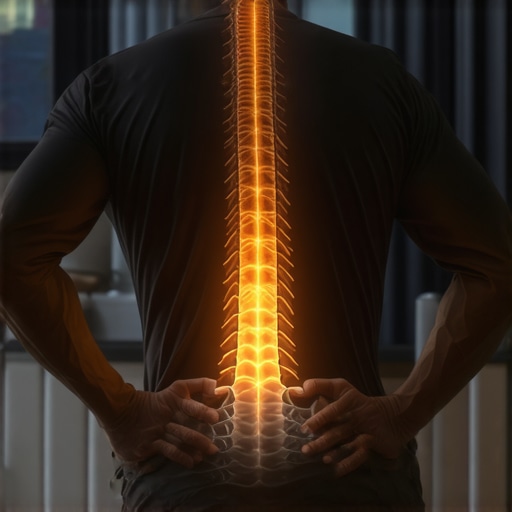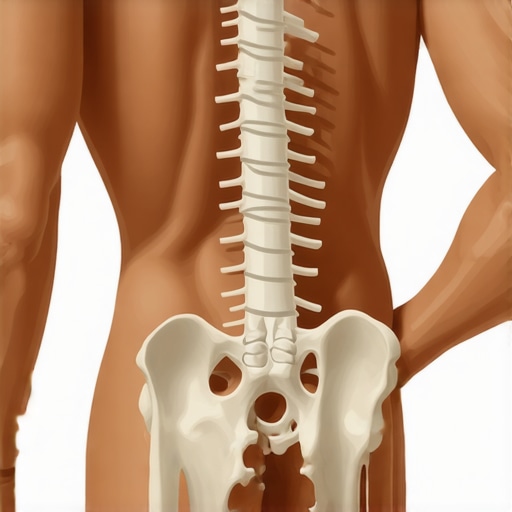
I vividly remember the moment I realized my back was holding me hostage. One day, while bending down to pick up a dropped pen, a sharp twinge shot through my lower back, and suddenly, simple tasks felt impossible. That lightbulb moment hit hard — I couldn’t ignore how much my back pain was dictating my life. If you’ve ever faced a similar experience, you know exactly what I mean. It sneaks up on you, whispering doubts about your mobility and comfort.
But here’s the truth I discovered along my journey: relief is possible, and it doesn’t require a miracle cure or endless prescriptions. Today, I want to share how I started to take back control over my back pain, boost my mobility, and find real comfort again. Whether you’re tired of relying on padding your chair or avoiding activities you used to love, there’s hope.
Why Ignoring Back Pain Can Worsen Things
Ignoring persistent back discomfort might seem like the easiest solution, especially when life gets busy or pain temporarily subsides. However, this approach can backfire, leading to increased stiffness, reduced range of motion, and even more pain in the long run. A study published by the American Journal of Lifestyle Medicine highlights that chronic back pain often intensifies when neglected, affecting both physical and mental health. It’s like a small spark that, if left unchecked, can ignite a larger blaze.
One common mistake I made early on was dismissing early signs of discomfort as mere strain that would pass. Instead, I learned that addressing back pain promptly, through gentle movement and proper care, could prevent it from escalating. This realization inspired me to explore proven strategies for relief. The good news is, you don’t have to accept a life where pain undermines your daily joy.
If you’re wondering whether tackling back pain is worth the effort, I get it. Skepticism is natural, especially when solutions seem overwhelming or ineffective. But trust me — small, consistent steps can make a substantial difference. And you’ll find plenty of helpful tips and expert-approved techniques [here](https://bodyrenewtherapy.com/back-pain-relief-effective-strategies-for-lasting-results-in-2025) when you’re ready to dive deeper.
So, are you ready to explore how simple adjustments and mindful practices can bring lasting relief? Let’s get started—your better, more mobile life awaits.
Start With Gentle Movement
I recall a morning when I decided to adopt a simple walking routine before breakfast. I set a timer for five minutes and started walking slowly around my backyard, paying attention to how my back felt. This micro-movement activated my muscles without overstraining them. The key is consistency—daily gentle activity helps lubricate your joints and reduce stiffness. Think of your spine as a sponge: the more you move it, the more it can absorb and release discomfort.
Apply Targeted Stretching Techniques
One effective method I used was spinal extension stretches. Lie face down on the floor, place your hands under your shoulders, and gently push up, arching your back while keeping your hips grounded. This stretch opens the front of your spine and relieves pressure on discs and nerves, especially if you have sciatica. I found doing this twice a day made a noticeable difference in flexibility. For more tailored relief, explore stretches like the Cat-Cow pose or hip openers, which can be particularly helpful for sciatic nerve issues. You can learn more about effective stretching routines [here](https://bodyrenewtherapy.com/unlocking-sciatica-relief-expert-strategies-for-lasting-comfort).
Strengthen Your Core for Lasting Support
Building core strength is like erecting scaffolding around a fragile building—it provides essential support. I started incorporating simple planks, starting with 10 seconds and gradually increasing. During one attempt, I kept my abs tight and back flat, feeling a deep burn in my abdominal muscles. Over time, this improved my posture, alleviating strain on my lower back. Focus on exercises that target your deep core muscles without causing pain. Remember, progress may be slow, but persistence pays off in restoring mobility and reducing pain.
Improve Your Posture Throughout the Day
One day, I caught myself slouching during a long work session. Implementing ergonomic tweaks like adjusting my chair height and using a lumbar cushion transformed my sitting posture. Proper alignment reduces undue pressure on spinal discs and nerves. For instance, keeping your feet flat on the ground and your monitor at eye level prevents neck strain and supports your back. Habitual posture correction is crucial—think of it as giving your spine a daily tune-up. For comprehensive guidance on ergonomic improvements, check out [here](https://bodyrenewtherapy.com/enhance-your-back-mobility-ergonomic-tips-for-everyday-comfort).
Incorporate Self-Massage and Heat Therapy
On a particularly stiff day, I used a foam roller on my lower back, like a dough roller flattening dough—this helped release tight muscles. Complement this with heat packs, which work like a warm hug, increasing blood flow and relaxing muscles. I applied a heat pad for 15 minutes before bed, and I woke up feeling more flexible. These self-care techniques are simple but effective in easing discomfort and improving mobility. Just ensure the massages are gentle to avoid further irritation.
Consult Professional Therapies When Needed
If pain persists or worsens, professional help is critical. I scheduled a session with a physical therapist, who recommended specific strengthening and stretching routines tailored to my issues. Techniques like manual therapy or targeted exercises can accelerate recovery by addressing underlying dysfunctions. Finding a qualified therapist can be the difference between temporary relief and long-term mobility gains. For personalized support, consider reaching out [here](https://bodyrenewtherapy.com/contact-us). By actively integrating these concrete steps into daily routine, you set a foundation for lasting back health—think of it as building bricks one at a time toward a stronger, pain-free future.While it’s common to think that resting or avoiding movement is the best way to heal back pain, this is a widespread misconception. In reality, **immobilization can worsen the condition** by leading to muscle atrophy and joint stiffness. Expert insights suggest that controlled, gentle movement promotes circulation, delivering nutrients to tissues and encouraging healing. For example, premature bed rest can delay recovery, as highlighted in a study published by the New England Journal of Medicine.
Many believe that sciatica arises solely from a herniated disc pressing on nerves, but this oversimplification overlooks the role of **muscular imbalances and nerve sensitivity**. Effective relief often involves addressing these root causes through targeted exercises and posture adjustments, rather than just focusing on the disc itself. To explore comprehensive strategies, check out [this guide](https://bodyrenewtherapy.com/unlocking-sciatica-relief-expert-strategies-for-lasting-comfort).
Another common myth involves the perception that neck pain is always related to poor posture or tension. While these factors are significant, sometimes neck pain stems from **underlying structural issues** or degenerative changes that require professional assessment. Self-diagnosing based solely on symptoms can lead to ineffective treatments and even aggravate the problem.
**What about the misconception that stretching is always beneficial?** In truth, overstretching or performing the wrong types of stretches can exacerbate certain conditions, especially if inflammation is involved. For example, aggressively stretching tight muscles without addressing underlying causes may inadvertently increase nerve compression or joint irritation. A nuanced approach involves learning which stretches are appropriate for your specific condition—something that a physical therapist can personalize.
In the realm of advanced care, understanding the **importance of activity modification and loaded management** is vital. For instance, avoiding high-impact activities yet engaging in controlled functional movements can help rebuild strength without risking further injury. An interesting study in the Journal of Orthopaedic & Sports Physical Therapy emphasizes how **graded activity progression prevents setbacks**.
Are you falling into these common traps? Many individuals underestimate the significance of precise, personalized movement strategies. Incorporating expert-guided routines, rather than generic advice, makes a real difference. For in-depth techniques tailored to severe cases, explore [here](https://bodyrenewtherapy.com/boost-your-back-mobility-simple-exercises-that-make-a-difference).
Let me know in the comments—have you ever fallen into this trap of misconceptions? Understanding the nuances can be the key to lasting relief and improved mobility. Remember, the path to recovery often involves questioning assumptions and consulting professionals who understand the complex interplay of muscles, nerves, and joints.Maintaining progress in back health requires the right tools and consistent effort. One technique I personally swear by is using a high-quality foam roller. I prefer the TriggerPoint GRID foam roller because its textured surface helps target deep muscle knots, which are common culprits behind recurring pain. I incorporate regular rolling sessions after workouts—typically 10 minutes—to release tension and improve tissue elasticity, especially in my lower back and hips. This proactive approach prevents tightness from becoming problematic and supports long-term mobility.
Another essential tool I recommend is an ergonomic standing desk converter. As many of us spend hours sitting, shifting to a standing position periodically keeps spinal discs hydrated and reduces pressure on nerve roots. I use the VariDesk model because of its adjustable height and stability. It allows me to alternate between sitting and standing every 30 minutes, which is critical for maintaining spine health and avoiding postural fatigue. In the future, I see a trend toward smart ergonomic solutions that automatically remind users to change position, integrating health monitoring with workplace tech.
For targeted relief from sciatic discomfort or neck tension, I turn to massage balls like the TheraGun mini massage device. It provides targeted, deep tissue massage allowing me to loosen stubborn muscle knots that contribute to nerve irritation. Applying gentle pressure for 2-3 minutes on specific trigger points regularly, I notice significant improvements in mobility and pain relief.
Tracking and accountability are equally important. I use a simple app, PainScale, which helps me record my daily pain levels, identify triggers, and adjust my routine accordingly. This digital feedback loop ensures my efforts are effective and highlights areas needing additional attention.
When it comes to stretching, incorporating proprioceptive neuromuscular facilitation (PNF) techniques has been a game-changer. These specific stretching protocols, like the hold-relax method, can improve flexibility rapidly. A study in the Journal of Sports Science and Medicine emphasizes PNF’s superior effectiveness in increasing joint range of motion when compared to static stretching alone.
Finally, I suggest scheduling monthly consultations with a physical therapist or chiropractor who can assess your progress and update your personalized plan. Building a relationship with a professional allows for adjustments based on your evolving needs, ensuring long-term success.
If you’re serious about keeping your back healthy, try integrating a foam roller session after your workouts and using an ergonomic standing desk for your daily routine. These small but impactful changes, supported by expert strategies, pave the way for sustained mobility and pain reduction. Remember, consistency is key—your future self will thank you for making these investments in your well-being.
For more detailed guidance on mobility maintenance, check out [here](https://bodyrenewtherapy.com/mobility-mastery-daily-tips-to-keep-your-spine-and-joints-healthy). Plus, consider exploring adaptive tools that suit your specific needs, ensuring a tailored approach to your back health journey.
Lessons Only the Hard Way Can Teach
One of the deepest insights I gained was realizing that patience and consistency outweigh quick fixes. I used to hope that a single stretch or a day of rest would banish my back pain forever, but I learned that sustainable relief demands ongoing effort. Another lesson was that listening to my body, rather than ignoring discomfort, prevented minor strains from escalating into chronic issues. I also discovered that some myths—like the idea that rest is always best—can actually hinder recovery. Embracing gentle movement and targeted exercises became my turning point, showing me that progress is a journey of small, persistent steps.
Finally, I realized that fear of movement often holds us back more than the pain itself. Challenging that fear and engaging in mindful activity helped me regain confidence and mobility. These lessons are personal, but they resonate universally, emphasizing that your approach to back health needs patience, awareness, and a willingness to challenge misconceptions.
My Trusted Arsenal for Maintaining Mobility
Over time, I’ve curated a set of tools that truly support my back health journey. The simple mobility exercises have been invaluable—they’re easy to incorporate daily and keep my spine flexible. I swear by my foam roller, especially the TriggerPoint GRID, to release muscle tightness and improve tissue elasticity, which prevents pain from settling in. For ergonomic support, an adjustable standing desk from VariDesk allows me to vary my posture, reducing prolonged strain. When discomfort flares up, a heat pack combined with gentle self-massage using a massage ball works wonders for calming aggravated muscles. And I keep a journal through apps like PainScale, tracking patterns that help me adapt my routine proactively. These tools have become my allies—they’re accessible, effective, and tailored to real-life needs, making my ongoing mobility manageable.
Your Next Chapter Starts Now
Remember, your back pain and mobility are not fixed milestones—they’re parts of an ongoing story that you hold the pen to. Every small effort, from mindful stretching to ergonomic tweaks, is a step toward a future where movement feels natural and pain is optional. The journey isn’t about perfection; it’s about resilience, consistency, and believing in the possibility of better days.
Don’t let doubt or misconceptions hold you back any longer. Take that first step today—your healthier, more mobile life is within reach. If you’re ready to dive deeper, explore expert strategies at this resource for tailored guidance. Your future self will thank you for choosing action over hesitation. Let’s move forward together—because lasting back relief is possible, and it all begins now.