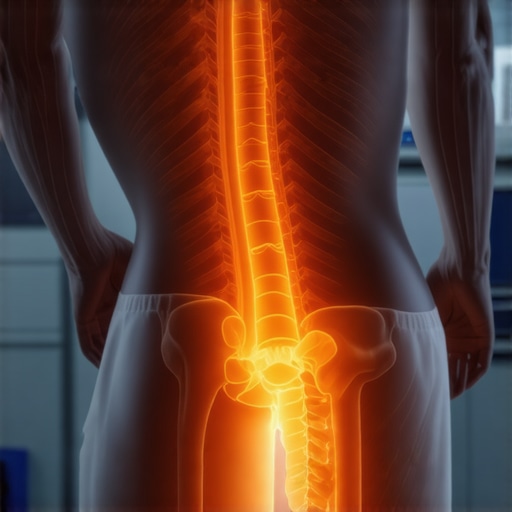
I remember the exact moment I realized my back was holding me hostage. It was during a routine morning stretch, and instead of feeling relief, I was met with a sharp, stabbing pain that left me doubting if I could even get out of bed. That lightbulb moment was a wake-up call—something had to change. If you’ve ever faced similar struggles with back pain, you know how it can silently steal your joy, limit your movements, and make even simple tasks feel daunting.
Why Taking Back Pain Seriously Matters
Back discomfort isn’t just about the occasional soreness after a long day. It’s a warning sign that something in our daily habits or posture may be off. According to recent research, nearly 80% of adults experience back pain at some point in their lives, and for many, it becomes a chronic issue if not addressed properly (source). But here’s the good news: small, intentional changes can make a huge difference in restoring mobility and reducing discomfort.
Is Your Back Pain Just Normal, or Is It Something More Serious?
Early on, I made a common mistake—I ignored the subtle signs of worsening pain, dismissing them as just part of aging. That oversight nearly cost me precious mobility. Trust me, recognizing the difference is crucial. If your back pain persists, worsens, or is accompanied by weakness or numbness, it’s time to seek professional guidance. You can learn more about the key symptoms to watch for here. For now, let’s focus on practical steps you can take today to help regain your range of motion and ease discomfort.
Start with Gentle Movement to Break the Stiffness
Once you identify persistent pain, avoid the temptation to stay still. Think of your spine like a rusty hinge; gentle movement lubricates it. I once tryed slow pelvic tilts after a particularly stiff day, and within a few minutes, I felt a noticeable loosening. Begin with simple stretches like cat-cow poses or gentle torso twists, holding each for 10-15 seconds. These movements help to stimulate blood flow and nourish the discs and joints. Remember, consistency beats intensity—do these exercises daily for sustainable improvement.
Incorporate Targeted Strengthening Exercises
Build Core Stability
A weak core often shifts stress onto your back, worsening pain and limiting mobility. I started a basic plank regimen—holding for 20 seconds, gradually increasing as my strength improved. Focus on engaging your abdominal muscles while keeping a neutral spine. Strengthening these muscles provides a supportive corset around your spine, reducing strain during daily activities. To identify effective core exercises, consult resources like mobility mastery tips.
Focus on Back and Hip Muscles
Hip flexors and glutes play a crucial role in back health. Tight hips can pull your pelvis out of alignment, increasing back stress. I integrated hip bridges and clamshells into my routine, which surprisingly alleviated lower back discomfort. Regularly strengthening these areas improves posture and alleviates sciatic nerve pressure, which is often a cause of shooting pains. For detailed exercise guides, visit mobility-boosting exercises.
Learn and Practice Proper Posture Habits
Much back pain stems from poor posture. I made a conscious effort to sit with my back straight, shoulders relaxed, and feet flat. Using ergonomic chairs and adjusting my workstation made a noticeable difference. Think of your spine like a stack of coins—if misaligned, it tilts and strains under pressure. Set reminders to correct your posture throughout the day, and consider tools like lumbar rolls or standing desks. Check out ergonomic tips for more strategies.
Apply Heat and Cold Therapy Strategically
Alternating between heat and cold can reduce inflammation and relax muscles. I used a warm compress after workouts, which helped loosen tight muscles, and ice packs on acute pain days to minimize swelling. Think of cold like a traffic cop, slowing down inflammation, while heat acts as a gentle massage. Use each modality for 15-20 minutes, and always wrap in a towel to protect your skin. These methods are a simple yet effective approach to manage immediate discomfort.
Introduce Gentle Yoga for Flexibility and Relief
Practicing gentle yoga poses, such as child’s pose or downward dog, can stretch tight muscles and improve flexibility. I found that practicing for 10 minutes daily helped prevent stagnation. Focus on deep breathing to help your muscles relax further. Yoga also promotes mindfulness, which can help reduce stress-induced tension contributing to back pain. For tailored routines, explore resources like stress and neck pain solutions.
Stay Consistent and Monitor Your Progress
Tracking your exercises and pain levels helps identify what works best. I kept a simple journal, noting daily activities and discomfort levels, which guided me to prioritize more effective strategies. Remember, gradual progress is key—rushing can lead to setbacks. If pain persists despite these efforts, consider consulting professionals at our clinic. Persistent pain might signal underlying issues that require specialized intervention, but these steps form a strong foundation for improving mobility and reducing discomfort.
Many people assume that back and neck pain are straightforward issues, but the reality is far more complex. A prevalent myth is that resting completely is the best remedy; however, prolonged inactivity can actually exacerbate stiffness and delay recovery. Contrary to popular belief, gentle mobilization often provides better long-term relief. Additionally, there’s a misconception that all pain signifies damage requiring invasive intervention. In reality, pain can sometimes be a protective response from your nervous system, signaling that your body needs support, not surgery. Recognizing this nuance is crucial—over-treating pain without understanding its cause can lead to unnecessary procedures and even worsen the condition.
Beware of the Shortcut Trap: Why Quick Fixes Fail
Many search for instant relief, opting for pills or excessive stretching, thinking this will solve their problems. While these might provide temporary comfort, they often mask underlying issues like poor posture or muscular imbalances. The danger is that this approach discourages addressing root causes, leading to recurrent pain and chronic problems. For instance, over-reliance on medication can mask serious issues such as nerve impingements, which require professional evaluation. Instead, a comprehensive approach focusing on strengthening, proper ergonomics, and stress management yields sustainable results. To deepen your understanding, explore this detailed guide on posture and pain.
How to Spot the Advanced Mistake in Your Recovery Plan
One common oversight is neglecting the importance of nuanced movement patterns and the body’s adaptive responses. For example, neglecting hip mobility can place undue stress on the lumbar spine, worsening back pain. Similarly, focusing solely on strengthening without addressing flexibility can cause imbalance, leading to compensations and further injury. An expert approach involves analyzing how different muscle groups interact and correcting specific deficiencies. This is where targeted exercises, like those found in mobility-focused routines, play a vital role. Recognizing that pain is often a symptom, not the root cause, helps prevent advanced mistakes and promotes natural healing.
Have you ever fallen into this trap? Let me know in the comments. Remember, understanding the hidden nuances preserves your mobility and speeds your recovery.
Maintaining mobility and managing back or neck pain over the long term requires the right tools and consistent effort. Personally, I rely heavily on a few dedicated items that have significantly improved my recovery and ongoing comfort. One of the most effective is a foam roller—specifically, a high-density model that I use daily to release muscular tightness and improve tissue elasticity. I spend five minutes rolling out my thoracic spine and hips each morning, which helps prevent stiffness and promotes better posture throughout the day.
Another indispensable tool is a lumbar support pillow. I keep one at my workstation, especially during long periods of sitting. It encourages proper spinal alignment, reducing strain and preventing chronic issues. When choosing a lumbar pillow, I look for ergonomic curves that support the natural lumbar lordosis. It’s no exaggeration to say this simple addition has kept my back healthier and more flexible over years of desk work.
Beyond physical tools, incorporating recommended mobility apps has been a game-changer. I personally use Mobility Mastery, which offers tailored routines focusing on spinal health, hip flexibility, and posture correction. These programs guide me through daily movements, ensuring I target weak spots and avoid compensatory patterns that can lead to pain or injury. Utilizing digital tools like this adds accountability and structure to long-term maintenance.
When it comes to addressing stress-induced pain, I find that guided breathing and meditation, accessed via apps like Headspace or Calm, help regulate nervous system activity. This reduces muscular tension, especially around the neck and shoulders. Maintaining this mental aspect is often overlooked, but emerging research suggests that stress management directly influences musculoskeletal health (source).
Looking ahead, the trend points toward smarter, integrated tools—like wearable sensors that monitor posture and movement, providing real-time feedback. I predict that combining biofeedback technology with AI-driven coaching will become mainstream, making it easier to sustain long-term progress without constant professional oversight.
How do I maintain my mobility tools and routines over time?
Consistency is key. I set specific reminders on my phone to check my posture, do stretching routines, and replace or update tools as needed—like swapping my foam roller if it loses firmness. Regularly reviewing my progress helps me refine my routines, ensuring I stay ahead of pain triggers. For example, if I notice tightness creeping back in my hips, I deepen my mobility work there. This proactive approach avoids regression and keeps me moving comfortably, demonstrating that persistent self-awareness and adaptation are essential for lasting results. For expert guidance, I recommend consulting professionals at our clinic to tailor a maintenance plan suited specifically for your needs. Give one of these tools a try today—perhaps starting with a personalized mobility app—and see how it transforms your ability to stay active and pain-free.
Uncovering Hidden Truths About Back Healing
One of the toughest lessons I learned is that rushing the process often backfires. I used to believe that immediate relief meant progress, but I realized that patience and consistency are the real game-changers. This insight transformed my approach—from quick fixes to sustainable habits—giving me confidence in my long-term mobility.
Another revelation was understanding that not all pain is equal. Persistent discomfort requires a nuanced approach, often beyond just stretching or medication. Recognizing when to consult professionals was a pivotal step in my recovery, ensuring I didn’t ignore signs that could lead to more serious issues.
The third lesson was embracing the importance of mental resilience. Stress and tension can amplify physical pain, creating a vicious cycle. Incorporating mindfulness and stress management techniques made a significant difference, helping me stay motivated and focused on my healing journey.
Tools and Tips That Made a Difference
Throughout my journey, I found that a well-chosen foam roller became a daily go-to for releasing muscle tightness. Paired with a lumbar support pillow at work, these simple tools kept my spine aligned and pain-free. For personalized routines, I highly recommend exploring Mobility Mastery, which offers practical guidance tailored for long-term health.
Books like The Ultimate Guide to Improving Mobility reshaped my understanding of the body’s interconnected systems, emphasizing that targeted exercises and proper ergonomics are essential for lasting relief.
Finally, digital tools such as mobility apps and biofeedback gadgets helped me stay accountable. Regular check-ins and real-time feedback pushed me to maintain good habits, even on busy days, reinforcing that consistent effort truly pays off.
Your Next Step Toward Freedom of Movement
Remember, your journey with back pain or neck discomfort is unique, but the power to improve lies in your hands. Embrace small daily actions, seek personalized guidance when needed, and celebrate each step forward. The future of back mobility is bright—make it yours today.
What small change are you willing to start implementing today to improve your back or neck mobility? Share your plans below—I’d love to hear about your progress!
,