
I remember the moment vividly. I was bent over, trying to pick up my toddler, when a sharp pain shot through my lower back. It was like my body had suddenly forgotten how to move without pain. That lightbulb moment made me realize how much I had taken my mobility for granted, and how urgent it was to find real relief. If you’ve ever felt stuck in a cycle of discomfort, you’re not alone. Back pain can be a persistent thief of our freedom to move freely and enjoy life. But here’s the good news: there are proven strategies that can help you regain your mobility and ease that discomfort. Today, I want to share what I’ve learned from personal experience and expert advice to help you get started on the path to better back health.
Why Your Back Deserves More Attention Than You Think
Back pain isn’t just a minor nuisance. According to recent research, up to 80% of adults will experience back issues at some point in their lives. That staggering number highlights how common and disruptive it can be. The truth is, neglecting back pain can lead to chronic issues, decreased quality of life, and even other health complications. I learned this the hard way when I ignored early warning signs, thinking they’d just go away. Instead, I ended up with limited mobility and a lot of frustration. This mistake made me realize that addressing back pain early, with effective strategies, can prevent long-term damage and restore your ability to move comfortably.
Is Back Pain Relief Really Achievable Without Surgery or Medications?
Initially, I was skeptical. I thought quick fixes or over-the-counter meds would solve everything. But I quickly discovered that many solutions require a holistic approach—think movement, posture, and lifestyle tweaks. Relying solely on pills might mask symptoms but won’t fix the root cause. I also learned that rushing into aggressive treatments without understanding the cause can sometimes do more harm than good. For a deeper understanding of how to tackle back pain effectively, I recommend checking out expert strategies for lasting comfort. Trust me, addressing the problem with a comprehensive plan is the way to lasting relief.
Now that I’ve shared my experience, let’s dive into practical, proven methods to regain your mobility and say goodbye to discomfort for good. Whether you’re dealing with sciatic pain, general back ache, or neck tension, these strategies can make a real difference. Ready to take the first step? Keep reading, and let’s get you moving again!
Start with Gentle Movement to Break the Stiffness
When I first decided to tackle my back pain, I remember feeling stiff as a board. Instead of lying still, I gently began with simple movements like pelvic tilts and knee-to-chest stretches. Think of your spine like a rusty hinge; the more you move it gently, the more it loosens. These low-impact exercises increase blood flow, delivering oxygen and nutrients to your discs and muscles. To see quick results, try specific stretches from this guide. My experience showed that consistency is key—doing these movements daily helped me regain a surprising amount of flexibility.
Incorporate Posture Checks Throughout Your Day
While working at my desk, I caught myself slouching more often than I liked. Posture is like the foundation of a house; if it’s crooked, everything else suffers. I used a mirror or asked a friend to help me adjust my sitting position, ensuring my back was straight, shoulders relaxed, and feet flat on the ground. Proper posture reduces strain on your spine and prevents further injury. For ergonomic tips, I recommend checking out these ergonomic adjustments. Small tweaks, like raising your monitor to eye level, made a huge difference in my daily comfort and mobility.
Targeted Strengthening Exercises to Support Your Back
Once I loosened up, I focused on strengthening my core muscles. Imagine your core as a sturdy corset that supports your entire spine. I started with plank variations and gentle bridges, gradually increasing intensity. These exercises act like a scaffold, holding your spine in proper alignment and reducing pressure on painful areas. I learned that overdoing it can backfire, so I listened to my body and avoided painful stretches. Use these core exercises for safe, effective strengthening. Over time, my back felt more stable, and movements became less painful.
Apply Hot and Cold Therapy for Immediate Relief
During flare-ups, I turned to hot packs and ice packs. Think of cold therapy as a fire extinguisher for inflammation, numbing pain and reducing swelling. Conversely, heat encourages blood flow and relaxes tight muscles. I alternated between these treatments, depending on my symptoms. For quick relief, I kept a pack in my freezer and heated it in the microwave when needed. This simple routine made a noticeable difference in managing pain episodes. For guidance on safe application, explore home remedies.
Integrate Lifestyle Changes to Sustain Progress
Long-term relief requires more than exercises. I adopted habits like regular walking, maintaining a healthy weight, and avoiding prolonged sitting. Think of these as maintenance for your car; regular check-ups prevent major breakdowns. Stretch breaks every 30 minutes kept my muscles from tightening up. Additionally, I prioritized quality sleep and stress management, as these factors influence pain levels. To enhance your efforts, review lifestyle tips. These small but consistent changes helped me sustain mobility gains and reduce the frequency of flare-ups.
Seek Professional Help When Necessary
If your pain persists despite these efforts, don’t hesitate to consult a specialist. Sometimes, underlying issues require targeted therapies or diagnostics. I found that a professional assessment clarified my condition and provided personalized guidance. You can find expert support by reaching out through this contact page. Early intervention can prevent minor discomfort from becoming chronic pain, preserving your mobility in the long run.
Many people believe that back pain is always a sign of a serious injury or that rest is the best remedy. However, these misconceptions can actually hinder recovery and prolong discomfort. For example, the myth that bed rest promotes healing has been debunked by research showing that gentle movement and targeted exercises are far more effective in restoring mobility. Contrary to popular belief, persistent back pain often isn’t a sign of something catastrophic; it can be due to muscle imbalances, poor posture, or nerve irritation that respond well to proper management.
Another common misconception is that sciatica always requires surgery. In reality, most cases of sciatica improve with conservative treatments such as physical therapy, lifestyle adjustments, and specific exercises. Over-reliance on medications or invasive procedures can sometimes delay effective recovery.
One trap many fall into involves the belief that all neck pain stems from cervical disc issues. While disc herniation is a cause, often stress, poor ergonomics, and muscular tension are culprits that can be addressed with targeted therapy and stress management techniques. Ignoring these factors and jumping straight to imaging or surgery can lead to unnecessary interventions.
Are You Falling for These Myths?
Understanding that back pain is multifaceted and often manageable without drastic measures is crucial. The key is to recognize the nuances and avoid oversimplified solutions. If you’re unsure whether your symptoms indicate a serious condition, check out this guide on warning signs and consider consulting a specialist. Remember, the real progress comes from informed decisions and consistent, evidence-based strategies. Have you ever fallen into this trap? Let me know in the comments.
Maintaining your back and neck health over time requires more than just exercises and good habits; it involves investing in the right tools and establishing routines that support your mobility and comfort daily. One of my favorite tools is a high-quality foam roller. I personally use a dense foam roller to release muscle tightness in my back and hips. It helps break down knots and improves blood flow, which is essential for long-term mobility. When choosing a foam roller, look for one with a firm surface and textured design, as these provide better trigger point release. I dedicate 5-10 minutes daily to rolling, especially after long periods of sitting or physical activity, to prevent stiffness and soreness.
Another essential tool I rely on is an ergonomic chair and supportive accessories. A well-designed ergonomic chair with adjustable lumbar support and seat height helps maintain proper posture throughout the day. I also use a seat cushion to keep my pelvis aligned and reduce pressure on my lower back. Proper seating minimizes strain and prevents the development of chronic pain. For those working at desks for extended hours, I recommend periodically adjusting your position and taking short breaks to stretch and move.
In addition to physical tools, I utilize mobility apps that guide me through daily stretches and strengthening routines. Apps like this one provide customized plans based on your pain points and mobility goals. I find that setting reminders to do 5-minute mobility sessions during the day helps me stay consistent and prevents setbacks.
For managing acute flare-ups, I keep a set of ice packs and heat wraps at home. Cold therapy reduces inflammation, while heat relaxes tense muscles. I rotate between these treatments depending on my symptoms, which has been a game-changer in maintaining my progress. Remember, safety is key—never apply ice or heat directly to the skin for extended periods, and follow the recommended guidelines.
Looking ahead, I predict that smart wearable devices will become more integrated into back and neck health routines. Devices that monitor posture, activity levels, and muscle tension will offer real-time feedback, helping us adjust before problems develop. Already, some wearables vibrate gently when you slouch, prompting you to correct your posture—an effective way to prevent long-term issues.
How do I maintain long-term mobility and prevent setbacks? Consistency is vital. Incorporate daily self-care routines, use supportive tools, and stay informed about your body’s signals. Regularly revisiting your techniques and equipment makes a significant difference. If you’re serious about long-lasting relief, I highly recommend trying a foam roller routine and investing in ergonomic accessories. For personalized support, don’t hesitate to reach out through this contact page. Remember, the key to keeping your back and neck working well is proactive maintenance—your future self will thank you.
The Hardest Lesson I Learned About Back Pain, Sciatica, Mobility, Neck Pain
One of my biggest realizations was that persistent back pain often isn’t a sign of something catastrophic. Early on, I believed that severe pain meant I needed invasive treatments, but I discovered that many issues respond well to consistent, gentle movement and proper posture. This taught me the importance of patience and persistence in recovery, rather than rushing into surgeries or medications that might mask symptoms instead of fixing root causes.
3 Myths About Back Pain, Sciatica, Mobility, Neck Pain That Held Me Back
Believing that bed rest is best for back pain was a major mistake I made. Research shows that staying active, even with discomfort, can promote healing much faster. Another misconception was that all neck pain requires imaging or surgery; in reality, stress, poor ergonomics, and muscular tension are often the culprits. These myths delayed my recovery until I adopted a more informed approach.
What Experts Won’t Tell You About Back Pain, Sciatica, Mobility, Neck Pain
Many professionals overlook the power of lifestyle changes. Simple habits like regular walking, stretching, and using ergonomic tools can dramatically improve your mobility. I found that investing in a quality foam roller and ergonomic chair made a long-term difference. These tools help maintain daily progress and prevent setbacks, which is something I wish I knew earlier.
My Essential Toolkit for Back and Neck Relief
- Foam Roller: My go-to for releasing muscle knots and improving blood flow. I trust a dense, textured foam roller for trigger point therapy.
- Ergonomic Chair: An adjustable chair with lumbar support and a supportive cushion keeps my spine aligned during long workdays.
- Mobility Apps: Guided routines and reminders help me stay consistent with exercises and stretches.
- Heat and Cold Packs: Simple, effective tools for managing flare-ups and reducing inflammation or muscle tension.
Your Turn to Try
Improving your back and neck mobility is a journey that combines patience, proper tools, and consistent effort. Remember, proactive maintenance beats reactive fixes. If you’re ready to take control, start with gentle movements, invest in ergonomic support, and explore expert-backed strategies. Your future self will thank you for the effort you put in today.
What’s one change you’re willing to make today to improve your back or neck health? Let me know below!
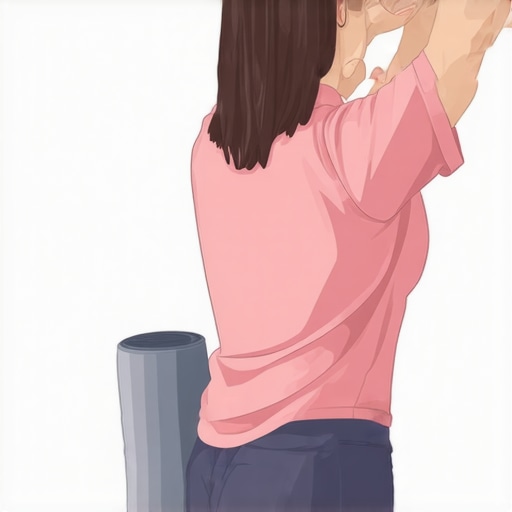


Reading this post really resonated with me, especially the point about how even gentle movement can drastically improve back mobility. I remember struggling with chronic lower back pain for months, and when I started doing daily pelvic tilts and stretches like the knee-to-chest, I noticed a real difference in my flexibility and pain levels. The advice about posture checks also rang true for me because I tend to slouch at my desk without realizing it. Small ergonomic adjustments, like raising my monitor and using lumbar support, have made a big impact. Personally, I also invested in a foam roller, which has become a game changer for releasing muscle knots—something I wish I had discovered earlier. Has anyone had success with combining these exercises with specific lifestyle changes, like regular walking or stress reduction techniques? I’d love to hear what’s worked best for others on their journey to back health.
Reading through this article really struck a chord with me, especially the emphasis on small, consistent movements like pelvic tilts and knee-to-chest stretches. I’ve found that integrating gentle movement into my daily routine significantly reduced my back stiffness and pain over time. What’s been a game changer for me is combining these exercises with mindfulness techniques and stress reduction, as tension often worsens back discomfort. I also realized that quality sleep and proper hydration play crucial roles in minimizing inflammation. I’m curious—has anyone else noticed a big difference in their pain levels when managing stress effectively? I’d love to hear what other holistic approaches have helped others in their recovery. It seems that a multifaceted approach, including both physical activity and mental wellness, really enhances long-term back health.