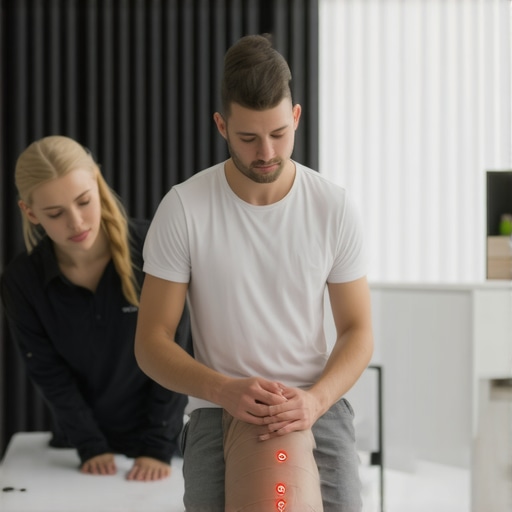
I remember the exact moment I realized I couldn’t move freely without pain. It was a lazy Sunday afternoon, and I tried to bend down to pick up my grocery bags. Instead of a simple stretch, a sharp, burning sensation shot down my leg, leaving me sore and frustrated. That lightbulb moment made me finally look into effective sciatica treatments, not just quick fixes but real solutions that could restore my mobility and comfort.
Why So Many People Struggle to Find Lasting Relief from Sciatica
Sciatica isn’t just a fleeting discomfort; it can take over your life, making even everyday tasks feel like mountains to climb. I’ve learned that the key is understanding what actually works—and what doesn’t. Early on, I made the mistake of relying solely on pain meds, which only masked the symptoms without addressing the root causes. That’s a common pitfall I want to help you avoid. Instead, I found that combining targeted exercises, posture improvements, and lifestyle changes made the biggest difference. If you’re tired of temporary relief and want to boost your mobility for good, you’re in the right place.
Is Sciatica Relief Overhyped or Truly Achievable?
This was my biggest skepticism when I first started exploring treatments. I wondered if all the hype about quick fixes was just marketing fluff. Honestly, I was wary because I’d tried so many methods that didn’t last. My mistake early on was ignoring the importance of a comprehensive approach. Now I know that real, lasting relief comes from understanding your specific condition and adopting a personalized strategy. For example, I found that simple daily activities, like improving my posture and doing specific stretches, made a huge difference. Want to see how that works? Check out some easy exercises to boost your back mobility that could help you too.
In the following sections, I’ll guide you through proven strategies to reduce pain and regain your freedom of movement. Because, trust me, relief is possible—and you don’t have to suffer in silence.
Targeted Exercises That Make a Difference
One of the most impactful steps I took was incorporating specific stretches into my daily routine. I remember a morning when I nervously attempted the seated piriformis stretch, which initially felt awkward and uncoordinated. Despite the messiness, I persisted, holding the stretch for 30 seconds and repeating it three times. Over a week, I noticed my sciatica pain diminishing and my mobility improving. To do this effectively, sit on the floor with one leg extended and the other crossed over it, then gently lean forward until you feel a stretch in your buttocks and lower back. This simple movement helps release tension in the piriformis muscle, often a culprit in sciatica pain. For more effective back mobility exercises, check out these simple exercises.
Adjust Your Posture to Prevent Strain
Posture is the foundation of spinal health. I used to slump at my desk, which exacerbated my sciatica. Think of your spine like a stack of bricks—when misaligned, it’s prone to cracks and breakdowns. I started paying close attention to my sitting habits, ensuring my back was supported and my feet flat on the floor. An ergonomic chair and proper screen height helped me maintain a natural curve in my lower back. I also integrated reminders to stand and stretch every 30 minutes. Proper posture reduces pressure on the sciatic nerve and prevents aggravation. Want practical tips? Visit ergonomic tips to optimize your workspace.
Incorporate Lifestyle Changes for Long-Term Relief
Small habits can lead to big improvements. I started avoiding heavy lifting without proper form and incorporated low-impact activities like walking and swimming. These activities strengthen my core and improve flexibility without stressing my spine. Think of your body as a vehicle—regular maintenance and gentle drives keep it running smoothly. I also eliminated prolonged periods of sitting and introduced standing desks. These lifestyle tweaks, although initially challenging, became second nature and significantly reduced my sciatica episodes. For a comprehensive approach, explore top lifestyle changes that can enhance your quality of life.
Stretching and Mobility Drills to Unlock Stiffness
Mobility is like oil in a machine—without it, parts grind and seize. I dedicated 10 minutes daily to gentle mobility drills, focusing on my hips and lower back. For example, the knee-to-chest stretch helped loosen tight muscles, while cat-cow poses increased spinal flexibility. I found that consistency was key; even on busy days, a quick session made a noticeable difference. These movements are simple but powerful, acting like a lubricant that keeps your joints moving freely. For detailed routines, see mobility mastery tips.
Quick Home Remedies for Immediate Relief
When pain strikes unexpectedly, I relied on quick remedies that provided relief. Applying ice wrapped in a towel helped reduce inflammation, much like putting out a small fire before it spreads. Alternating with heat packs eased muscle tension and increased blood flow. I also tried gentle self-massage using a tennis ball against tight muscles in my lower back and hips. These methods are like quick fixes—temporary relief that buys time for more sustained strategies. For instant relief techniques, visit quick home remedies.
Personalized Approach to Lasting Relief
Every case of sciatica is unique, so a one-size-fits-all approach rarely works. I took the time to understand my specific triggers, which involved some trial and error. Consulting with a healthcare professional helped me develop a tailored plan that addressed my root causes. Think of this like customizing a suit—you need to measure carefully and adjust for a perfect fit. Whether it’s targeted physical therapy or specific stretches, a personalized strategy accelerates recovery. Learn more about crafting your custom relief plan.
Many people believe they understand sciatica completely, but in reality, there are several misconceptions that can prevent effective treatment and recovery. One of the most pervasive myths is that sciatica always results from a herniated disc. While disc issues are common, nerve compression can also stem from tight muscles, spinal misalignments, or degenerative conditions that aren’t as straightforward as many think. Relying solely on imaging tests like MRI scans can be misleading, as they might show abnormalities that aren’t causing symptoms, leading to unnecessary surgeries or treatments.
Another misconception is that bed rest is the best way to recover. In fact, prolonged inactivity can worsen sciatica symptoms by weakening supporting muscles and reducing flexibility. Instead, gentle movement and targeted exercises, such as those described here, are proven to promote healing and prevent stiffness.
Why Do People Fall for These Myths?
One reason is the widespread misinformation online and the marketing of quick fixes that promise instant relief. These often lead to temporary solutions that don’t address root causes, resulting in ongoing pain. For example, some believe that surgery is the only definitive fix, but many cases improve significantly with non-invasive approaches like physical therapy, lifestyle modification, and proper posture, as explained here.
Being aware of these myths and misconceptions is crucial because they can delay proper diagnosis and effective treatment. Instead of falling into these traps, focus on evidence-based strategies, personalized care, and consistent movement routines to truly resolve sciatica. Have you ever fallen into this trap? Let me know in the comments.
How do I keep my back healthy and pain-free over time?
Maintaining the progress you’ve made in alleviating sciatica requires a combination of smart tools, consistent routines, and proactive habits. One of my favorite investments has been a quality foam roller, which I use daily to release tension in my lower back and hips. Regular self-myofascial release with a foam roller helps prevent muscle tightness that can trigger nerve compression. When I first started, I found that a durable foam roller with a textured surface provided better trigger point therapy, especially in the piriformis area. For detailed guidance, I recommend checking out these mobility exercises that are easy to incorporate into daily life.
Another essential tool is a lumbar support pillow for my office chair. Sitting with proper lumbar support maintains spinal alignment and reduces strain on the sciatic nerve. I personally use a memory foam cushion that conforms to my lower back, which has made a noticeable difference in preventing flare-ups during long workdays. Ergonomic accessories like adjustable standing desks and monitor risers also help promote better posture, which is crucial for long-term relief. For ergonomic setup tips, visit ergonomic tips.
In addition to physical tools, I rely heavily on digital resources. Using a fitness app tailored for stretching and mobility, such as the ones that focus on lower back health, helps me stay accountable. These apps often include reminders, progress tracking, and guided routines, which make consistency easier. I personally prefer apps that incorporate gentle yoga sequences, as I find that they improve flexibility and strengthen supporting muscles over time. As technology advances, I predict that personalized AI-driven physiotherapy programs will become more accessible, offering tailored exercises based on real-time feedback.
Why is consistent maintenance critical for lasting relief?
Because sciatica can recur if we neglect our posture, flexibility, and muscle health, ongoing maintenance is essential. Even after symptoms fade, I continue to do targeted stretches and strengthen my core muscles regularly. This proactive approach keeps my spine aligned and minimizes the chances of nerve irritation. I also schedule periodic check-ins with a physical therapist to evaluate my progress and adjust my routines accordingly. Remember, the goal isn’t just temporary relief but a sustainable lifestyle. Want some expert-approved routines? Check out lifestyle strategies to keep your back in top shape.
Don’t forget, the key to long-term success is integrating these tools and habits into your daily routine. Start small—perhaps with a daily 5-minute stretching session using your foam roller—and build from there. Over time, these small, consistent efforts will create a resilient back that can withstand daily stresses and prevent future flare-ups. Ready to take your maintenance routine to the next level? Try incorporating a mobility drill from these daily tips and feel the difference yourself!
What I Wish I Knew About Conquering Sciatica
- The Myth of Quick Fixes: I learned that instant remedies often only mask pain rather than resolve the root cause. Patience and a comprehensive approach are key.
- The Power of Personalization: Tailoring exercises and lifestyle changes to my specific triggers made all the difference in my recovery journey.
- Consistency Over Perfection: Small daily habits, like regular stretching and good posture, compounded over time to deliver lasting relief.
- Understanding My Body: Recognizing that factors like muscle tightness and spinal alignment play crucial roles helped me address the real issues instead of just symptoms.
- My Biggest Lightbulb Moment: Integrating mobility routines and ergonomic adjustments transformed my back health more than any single treatment ever did.
My Essential Tools for Back and Sciatica Wellness
- Mobility Exercises: Simple routines like those outlined here help keep joints flexible and prevent flare-ups.
- Ergonomic Supports: A good lumbar pillow and desk setup minimize strain during long work hours, as I personally experienced.
- Self-Myofascial Release: Foam rollers and tennis balls are my go-to for releasing muscle tension and improving circulation.
- Quick Relief Remedies: Ice, heat, and gentle massage provided immediate comfort during painful episodes.
- Educational Resources: Trusted sites and apps guide me through daily routines that sustain my back health, like mobility tips.
Take Your Next Step Toward Pain-Free Living
Remember, overcoming sciatica isn’t about finding a magic bullet but building a lifestyle that supports long-term health. Start small, stay consistent, and celebrate every bit of progress. Your back will thank you for the care you give it today—because a resilient spine is the foundation of a vibrant life. Are you ready to embrace the journey to mobility and comfort? Share your experience or questions below, and let’s support each other in this healing process.


Reading this post really resonated with me, especially the part about integrating simple stretches and posture adjustments into daily routines. I used to think that once the pain subsided, I could go back to my usual habits, but I’ve learned that consistency is key for long-term relief. I started incorporating hip mobility exercises similar to the ones mentioned, and I noticed a significant decrease in flare-ups. The part about ergonomic workspace setup reminded me of how much my posture during long work hours affects my back. Do others find that dedicating even just 5-10 minutes daily to these gentle routines makes a noticeable difference? For anyone struggling with persistent sciatica, I’d say don’t underestimate the power of small, regular efforts—it definitely adds up over time.