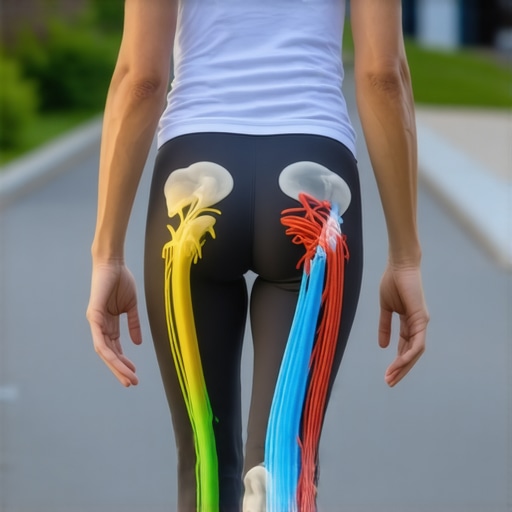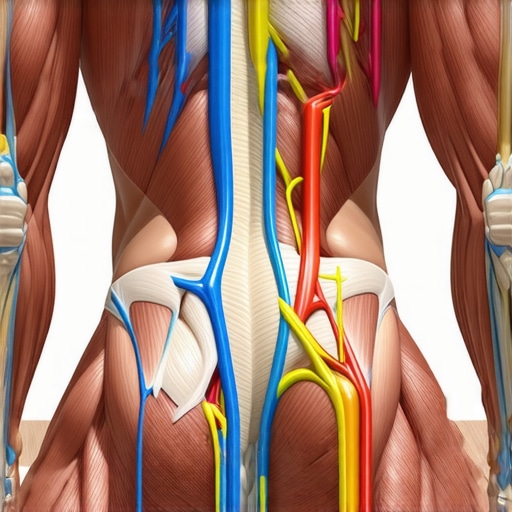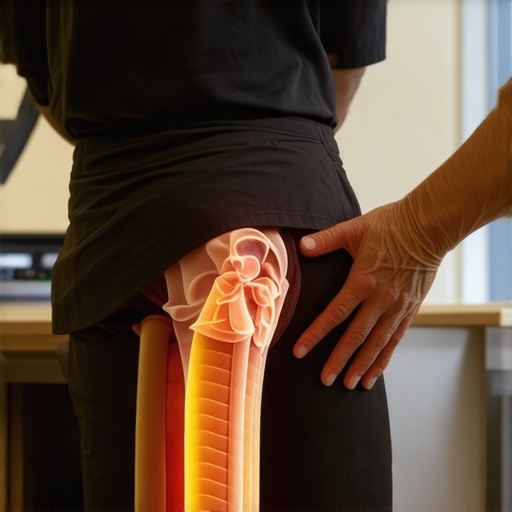
I remember the moment vividly. I was reaching for my coffee in the morning, only to be greeted by a sharp, shooting pain that shot down my leg like lightning. Days turned into weeks, and what started as an occasional twinge became a relentless grind that robbed me of my energy and independence. It was a wake-up call—living with sciatic pain was no longer an option I could endure silently.
Why Finding Effective Sciatica Relief Matters More Than Ever
Living with chronic pain is often a silent struggle. When I was in the thick of it, I realized that enduring discomfort wasn’t just about the pain itself—it was stealing my vitality, my ability to move freely, and my overall quality of life. That’s why I passionately advocate for effective, personalized treatments that target the root causes of sciatic pain and promote genuine healing.
Is All the Hype Around Sciatica Treatments Just Hot Air?
Early on, I made the mistake of trying generic solutions—over-the-counter meds, quick-fix stretches—that seemed promising but failed to deliver lasting results. As I learned, not all treatments are created equal, and what works for one person might not work for another. Trust me, doing your homework and seeking expert guidance can make all the difference. According to a study published in the Journal of Orthopaedic & Sports Physical Therapy, personalized approaches significantly outperform generic remedies in managing sciatica.
So, if you’re tired of wasting time on methods that offer false hope, stay tuned. I’ll share the proven strategies that helped me reclaim my mobility and reduce pain permanently. Ready to take control of your recovery journey? Let’s dive into what truly works.
Start with Gentle Movement to Reclaim Your Mobility
In my early days of managing sciatic pain, I found that staying inactive only worsened stiffness and discomfort. I began incorporating gentle movements—like walking or simple leg swings—similar to gradually loosening a tight rubber band. These small steps gradually increased my flexibility without overloading my spine. I recall a morning walking session where I felt a subtle relief that motivated me to stay consistent. Aim for low-impact activities that don’t cause sharp pain, and prioritize daily movement to encourage blood flow and healing.
Target the Core and Hip Muscles
Focus on Strengthening Exercises
Weak core and hip muscles can act like unstable scaffolding, putting extra strain on your lower back and sciatic nerves. I started doing specific exercises like bridges and pelvic tilts, which are like reinforcing the foundation of a building. These strengthen your supporting muscles, helping to stabilize your spine. Remember, quality over quantity matters—perform each movement deliberately and avoid any that cause pain. Regularly practicing these can significantly reduce nerve compression over time.
Stretch Smartly and Safely
Stretching is key, but doing it instinctively can lead to overstretching or aggravating pain. I learned to target tight hamstrings and piriformis muscles—the culprits often linked to sciatic irritation. The piriformis stretch, for example, is like freeing a knot; gently pulling until you feel a mild tension, not pain. Consistency is essential—stretching daily for 10 minutes helped maintain flexibility and prevented flare-ups. For precise guidance, explore professional routines at https://bodyrenewtherapy.com/sciatica-treatments-how-to-improve-mobility-reduce-pain-fast-2.
Improve Your Posture as a Daily Habit
Poor posture acts like a slouched umbrella, putting undue pressure on your spine and nerves. I started being mindful of my sitting and standing habits—keeping my back straight, shoulders relaxed, and feet flat. Using ergonomic supports, such as lumbar cushions, was a game-changer—like adding scaffolding to a shaky structure. Small adjustments throughout the day build resilience and reduce nerve compression. For quick tips, check out https://bodyrenewtherapy.com/overcoming-sciatica-top-lifestyle-changes-for-better-quality-of-life.
Incorporate Targeted Physical Therapy
Professional guidance accelerates recovery. I booked sessions with a physical therapist, who customized a plan for my specific symptoms. Think of it as hiring a coach to navigate a complex maze—guided steps lead to faster relief. Techniques such as manual therapy and specialized exercises unlocked my mobility, much like oil lubricating a rusty hinge. Don’t hesitate to reach out for personalized help at https://bodyrenewtherapy.com/contact-us; their expertise made all the difference.
Adopt Lifestyle and Ergonomic Changes
Long-term relief comes from creating sustainable habits. I cut back on prolonged sitting—standing up every 30 minutes was crucial, akin to giving my spine a brief breath of fresh air. Upgrading my work setup with an ergonomic chair and adjustable desk transformed my daily routine, preventing nerve pressure. Think of it as upgrading your vehicle’s suspension—better support means smoother rides and fewer aches. Explore simple adjustments at https://bodyrenewtherapy.com/enhance-your-back-mobility-ergonomic-tips-for-everyday-comfort to sustain your progress.
Monitor and Adapt Your Progress
Tracking your improvements is vital. I kept a journal of exercises, pains, and movements that helped or worsened my condition—like charting a course through uncharted waters. This awareness allowed me to refine my approach and avoid setbacks. If persistent pain or new symptoms arise, consult a specialist at https://bodyrenewtherapy.com/is-your-back-pain-a-sign-of-something-more-serious-key-symptoms-to-watch to ensure you’re on the right path.
Many individuals believe that common remedies like quick stretches or over-the-counter medications will erase persistent sciatic and back pains overnight. However, these superficial approaches often overlook the nuanced dynamics beneath chronic pain. One pervasive myth is that all relief strategies are universally effective; in reality, treatments must be highly personalized, considering the unique biomechanics and nerve sensitivities of each person. For example, a study in the Journal of Orthopaedic & Sports Physical Therapy emphasizes that tailored interventions outperform generic remedies by addressing individual root causes rather than merely alleviating symptoms temporarily.
Another common misconception involves posture correction alone being sufficient for long-term relief. While improving ergonomics and posture are crucial, they are part of a broader ecosystem involving muscle balance, nerve health, and lifestyle habits. Neglecting these factors can lead to a persistent cycle of flare-ups and setbacks. For instance, focusing solely on sitting posture without strengthening supporting muscles may inadvertently weaken the overall framework, making the spine more susceptible to pain.
From my experience, many people fall into the trap of thinking that pain originates solely from the lumbar region. Yet, scar tissue, nerve inflammation, and even subtle hip misalignments can play significant roles. Advanced assessments often reveal these hidden contributors, which are frequently missed by basic evaluations. Recognizing these nuances allows for more targeted and effective treatment plans. For advanced practitioners, understanding the interconnectedness of neck, back, and hip mechanics is vital, as highlighted in recent studies advocating comprehensive musculoskeletal assessments.
This leads to an essential question: How can advanced practitioners optimize treatment strategies for complex pain patterns? The answer lies in detailed diagnostics, including motion analysis and nerve conduction studies, combined with a holistic view of lifestyle factors. Incorporating techniques from physical therapy, manual manipulation, and functional movement training ensures that no contributing factor is overlooked. To explore personalized approaches that go beyond basic remedies, consider reaching out for expert guidance at https://bodyrenewtherapy.com/contact-us.
Absolutely, avoiding simplistic solutions and embracing nuanced, individualized strategies are key to true recovery. Have you ever fallen into the trap of believing a quick fix solved your pain? Let me know in the comments and share your experiences.
Keeping It Working: Practical Tools for Long-Term Relief
Maintaining your spinal health and nerve function requires strategic use of targeted tools and consistent routines. Personally, I rely on a combination of ergonomic equipment, digital apps, and mindful practice to sustain my progress. Embracing these tools ensures that your efforts translate into lasting results, reducing the risk of setbacks or flare-ups.
Ergonomic Workstations That Make a Difference
Investing in an ergonomic chair with adjustable lumbar support and a sit-stand desk has transformed my daily posture. These tools promote proper spine alignment, minimizing compression and nerve irritation. According to a study published in Applied Ergonomics, ergonomic interventions can significantly decrease musculoskeletal discomfort over time. Regular adjustments and mindful sitting habits help reinforce good posture throughout your day.
Mobility and Strengthening Devices
Resistance bands and stability balls are my go-to for targeted strengthening. They enable controlled motion, which is vital for building resilient muscles around your spine and hips. I personally use a resistance band for gentle core activation, akin to coaching your muscles for better support. Consistent use of such devices, coupled with proper technique, can prevent chronic issues by maintaining muscle balance.
Apps That Keep You Accountable and Informed
Digital tools like mobility-tracking apps help me monitor progress and stay motivated. Features that remind me to perform daily stretches or movements keep me accountable. Modern technology offers real-time feedback, making it easier to incorporate corrective routines into your routine. For comprehensive guidance, explore resources like https://bodyrenewtherapy.com/neck-pain-solutions-proven-techniques-to-regain-your-range-of-motion.
Scaling Your Efforts for Ongoing Success
As you advance, consider integrating functional training equipment such as ergonomic resistance machines or pilates reformers. These tools support progressive overload, strengthening muscles in ways that mimic daily activity. The future of spinal health hinges on adaptable, scalable routines that evolve with your needs, emphasizing quality and control over sheer intensity.
How do I sustain my mobility long-term?
Regular check-ins with qualified practitioners and ongoing education about posture and movement are essential. Continuing to use effective tools ensures that your back and nerve health are preserved, even as your lifestyle changes. Consistency is key—incorporate ergonomic adjustments, mobility exercises, and mindful movement into your daily routine to enjoy enduring benefits. To get personalized support and advanced strategies, I recommend reaching out at https://bodyrenewtherapy.com/contact-us.
Remember, embracing these tools isn’t just about immediate relief; it’s about building resilience. For example, integrating a standing desk with adjustable height can make a measurable difference in your posture and comfort. Start by trialing one new device or routine, and observe how your body responds. Over time, these investments compound into a robust framework that keeps your body functioning optimally.
The trend in maintaining mobility hinges on technology-assisted, personalized care—an approach I see evolving rapidly. By adopting these tools today, you’re setting a foundation that not only alleviates current discomfort but also fortifies your body against future challenges.
What I Wish Someone Had Told Me About True Healing
The most profound lesson I learned was that quick fixes are often just temporary Band-Aids. Genuine recovery comes from addressing the root causes with patience and personalized strategies. I used to think stretching alone would handle my sciatic pain, but I realized that without strengthening supporting muscles, relief was fleeting. It took time, consistent effort, and listening to my body to unlock lasting relief.
Another insight was understanding the interconnectedness of body mechanics. Small misalignments or muscle weaknesses in the hips or shoulders can ripple down and exacerbate sciatic discomfort. Recognizing this shifted my approach from isolated treatments to a holistic one, emphasizing posture, movement, and lifestyle habits that support my entire musculoskeletal system.
I also discovered that diagnosis matters. Advanced assessments, like nerve conduction studies and movement analysis, revealed hidden contributors to my pain that basic evaluations missed. Investing in expert guidance tailored to my specific needs made all the difference in crafting an effective, lasting plan.
My Go-To Resources for Deeper Insights
For trusted guidance, I rely heavily on detailed assessments and ergonomic advice. They helped me understand how posture impacts nerve health and how to make sustainable improvements. Additionally, books like ‘The Multi-Dimensional Approach to Back Relief’ provided practical exercises and insight into muscle balance.
Staying informed through expert-led routines and professional guidance made my journey more effective. Each resource built on the previous, allowing me to develop a comprehensive plan that resonated with my body’s unique needs.
Believe in Your Power to Transform Your Life
Remember, recovery is a journey, not a quick fix. By combining personalized strategies, trusted resources, and a mindset geared towards resilience, you can reclaim your mobility and live pain-free. Your path to lasting relief starts today—embrace the process and believe in your capacity to transform your health. If you’re ready to take the first step, reach out for expert support at here and start your healing journey now.