
How Psoas Tightness Is Mimicking Serious Sciatic Nerve Pain
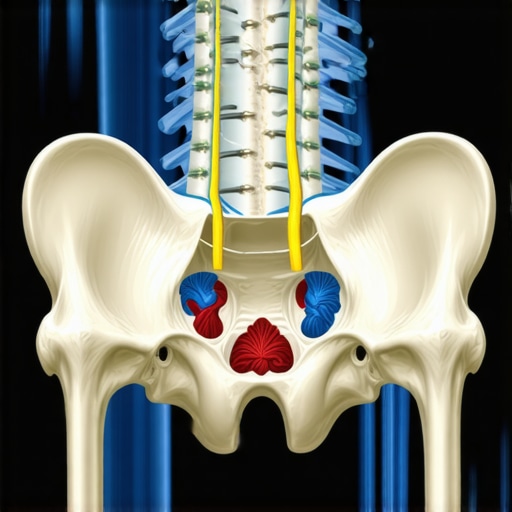
It hit me like a ton of bricks during a weekend hike. I was mid-climb, muscles aching, when suddenly a sharp, shooting pain shot down my leg. Panic set in—I thought I’d torn something or developed a herniated disc. That moment of dread is all too familiar for many: the fear of a severe sciatic nerve issue that could derail your life. But here’s the twist—sometimes, what mimics this nerve pain is far simpler and more manageable than you imagine.
Discovering the Hidden Culprit: Tight Psoas Muscle
For years, I believed that persistent leg pain was always a sign of something serious. Turns out, a tight psoas muscle—the deep hip flexor—can pinch the nerves just like a herniated disc or sciatica. The psoas acts as a bridge between your spine and legs, so when it’s chronically tight, it can create nerve-like pain and discomfort that feels just like sciatica. This revelation was a game-changer for me—and it can be for you too.
But why does this happen, and how do you distinguish between true nerve issues and muscle tightness? Well, many of us unknowingly develop tightness in our psoas from prolonged sitting, stressed postures, or inadequate movement. The result? Pain that shoots down the leg, tingling sensations, or a feeling of weakness—symptoms that make you worry about serious back problems.
What’s more, the misconception that all leg pain is a spine emergency leads many to seek invasive interventions or long-term medication. Early on, I made the mistake of ignoring the simple causes and rushing into treatments that weren’t addressing the root. Trust me, that was a costly error.
So, if you’re currently facing unexplained leg pain, or your sciatic symptoms seem relentless, don’t jump to conclusions just yet. Often, the solution lies in understanding your muscles—specifically your psoas—and learning how to release its tension.
Are you tired of living with mysterious leg pain that seems to worsen without a clear cause? If so, stay with me. We’re about to explore how to identify if your psoas is tight and what natural, effective strategies you can start today to relieve your discomfort. This isn’t about quick fixes—it’s about reclaiming your mobility and restoring your confidence in your own body.
Identify the Tightness in Your Psoas
Lie on your back with knees bent, feet flat on the floor. Place your fingers just below your ribs on each side. Take slow, deep breaths, and notice if you feel tension or discomfort in these areas. If you identify tightness, it’s likely your psoas muscle is contributing to your pain. An example from my experience: I spent a weekend doing this simple test, and I realized that certain spots near my hips were tender, confirming tightness. Recognizing this is the first step towards relief.
Targeted Stretching to Loosen the Psoas
Get into a lunge position with one foot forward, knee bent at 90 degrees, and the other leg extended behind you. Gently push your hips downward, feeling a stretch through your hip flexors. Hold for 30 seconds, then switch sides. I personally found that doing this after long periods of sitting gradually reduced my leg discomfort. Consistency is key—aim for daily sessions.
Use Specific Nerve Glides
Performing nerve gliding exercises helps free the nerves pinched by a tight psoas. Sit upright, extend one leg straight ahead, and flex your ankle. Slowly point your toes away from the shin, then gently dorsiflex, moving through a comfortable range. Repeat 10 times per leg. When I first tried this, I felt a pleasant tingling that signified nerves were moving freely. This simple move can significantly decrease leg shooting pain.
Incorporate Myofascial Release Techniques
Apply gentle pressure to tender spots near your hips using a foam roller or tennis ball. Roll slowly over these areas, pausing on tight spots to release fascia. This was a game-changer for me—after just a few minutes, the tightness diminished, and I noticed less leg numbness. Daily foam rolling can improve flexibility and reduce muscle tension.
Enhance Mobility with Dynamic Movements
Engage in light hip circles, leg swings, or gentle squats to promote blood flow and loosen tight muscles. I integrated leg swings into my morning routine, which woke up my hips and decreased stiffness. Dynamic movement helps sustain your progress and keeps muscles flexible.
Develop Good Posture Habits
Pay attention to sitting and standing positions. Use ergonomic chairs, keep your hips level, and avoid crossing your legs. During a period of neglect, I caught myself tilting my pelvis forward, which worsened my symptoms. Small posture adjustments can make a big difference over time.
Seek Professional Guidance for Lasting Relief
If pain persists despite these steps, consider consulting a specialist. I found that working with a physical therapist provided tailored exercises that targeted my specific needs. To find expert help, visit this link.
Remember, addressing a tight psoas involves persistent effort and mindful movements. Incorporate these techniques consistently to restore your mobility and banish leg pain caused by muscle tightness. For more detailed exercises, check this resource.
Many assume that persistent pain or limited mobility stems solely from structural damage, but in reality, misconceptions about the body’s adaptive potential often lead us astray. A common myth is that stiffness and discomfort are inevitable with age, prompting many to accept their limitations instead of exploring personalized movement strategies. This fatalism ignores evidence suggesting that targeted, nuanced interventions can reverse or significantly mitigate chronic issues. For example, the notion that stretching alone can resolve all back pain misses a crucial nuance—often, the problem lies in muscular imbalances or neural tension that stretching might temporarily mask rather than fix. In fact, aggressive or improper stretching can sometimes exacerbate injuries, leading to more pain and longer recovery times. It’s essential to understand that the nervous system’s role is often underestimated; nerve entrapments or sensitivities can mimic structural issues, making it seem like the pain is purely muscular or skeletal. A crucial advanced insight is that neural mobilization techniques, like nerve gliding exercises, can unlock surprising relief, but only when properly integrated into a comprehensive plan. For instance, repeatedly performing generic stretches without assessing neural tension risks reinforcing maladaptive patterns, particularly in cases of sciatica or neck pain stemming from nerve impingement. A trap many fall into is underestimating the importance of posture and movement patterns over time. Misalignments or habits like prolonged sitting or poor ergonomics subtly stress tissues and nerves, eventually manifesting as pain. Overlooking these factors is an advanced mistake, but addressing them through tailored movement education can drastically change outcomes. Have you ever fallen into this trap? Let me know in the comments. Recognizing the complexity of body mechanics requires a shift from simplistic assumptions to nuanced, evidence-based strategies. When in doubt, consulting with a professional who understands the interplay of muscles, nerves, and posture ensures that your approach is both safe and effective. To explore how to implement such strategies, consider visiting [this page](https://bodyrenewtherapy.com/boost-your-back-mobility-simple-exercises-that-make-a-difference) for proven exercises that address these underlying nuances.Maintaining better mobility and managing pain is an ongoing journey, not a one-time fix. Over the years, I’ve come to rely on a combination of targeted equipment, smart routines, and reliable methods that keep me working at my best. One favorite is the ergonomic foam roller. I personally use a dense, slightly textured foam roller—specifically the TriggerPoint Grid—because its firm surface effectively releases fascia and muscle knots in my hips and lower back. Daily rolling over tight spots near my hips and lumbar region has become non-negotiable, especially after long days or periods of sitting. To get the most out of your foam roller, focus on slow, controlled movements, and avoid rushing through sessions. This consistency has significantly reduced my sciatic discomfort and improved overall flexibility.
What about digital tools? How do I keep track of my progress?
I swear by movement tracking apps like Strava and MyFitnessPal, which help me set and monitor daily activity goals. But more specifically, I recommend the Body Renew Therapy mobility routines—I’ve personalized these programs into my daily schedule. Using their mobility exercises, especially those targeting the hips and lumbar spine, has helped me retain long-term flexibility and resilience. Regularly revisiting and adjusting these routines ensures my body adapts and improves, especially as I age. For ongoing support, I also subscribe to newsletters from physical therapy experts, which keep me updated on the latest evidence-based practices. I encourage you to try integrating similar tech and routines—small, consistent adjustments compound over time for lasting results.
Anticipating the future of mobility management
The trend points toward smarter, personalized solutions—wearable sensors that monitor movement quality, AI-driven feedback for correcting posture in real-time, and virtual therapy sessions tailored to your biomechanics. As technology advances, staying adaptable and proactive will be key. I predict that in the next few years, integrating these tools into daily life will become more accessible, making long-term maintenance less of a chore and more of a seamless part of your lifestyle. To stay ahead, explore innovative solutions like neural training devices or biofeedback apps, which are already showing promising results for chronic pain management. Remember, the key to keeping your body working effectively is consistency with your chosen tools and openness to new methods. One advanced tip I recommend trying today is the nerve glide exercise I detailed earlier—it’s a simple, effective way to prevent nerve compression from returning, especially if you’ve experienced sciatic flare-ups. Incorporate it into your routine and observe how your symptoms respond over time. For comprehensive guidance on advanced techniques, visit [this resource](https://bodyrenewtherapy.com/unlocking-sciatica-relief-expert-strategies-for-lasting-comfort). Staying committed to your mobility journey is how you’ll preserve your ability to move freely and pain-free well into the future.Throughout my journey managing sciatic and back pain, I’ve uncovered lessons that transformed my approach and could do the same for you. One of the toughest lessons was realizing that not all pain stems from structural damage—sometimes, muscular tightness or neural tension are the culprits, and understanding this changed everything. Another insight was that quick fixes often mask underlying issues; consistency with targeted exercises, like nerve gliding and pelvic releases, yields long-term results. Lastly, the importance of addressing posture and habits—things like sitting ergonomics and movement patterns—can prevent setbacks and promote resilience. These discoveries proved that informed, gentle interventions surpass invasive procedures, empowering me to take control of my health rather than be a passive patient.