
How Restoring Your Big Toe Mobility Can Fix Your Lower Back
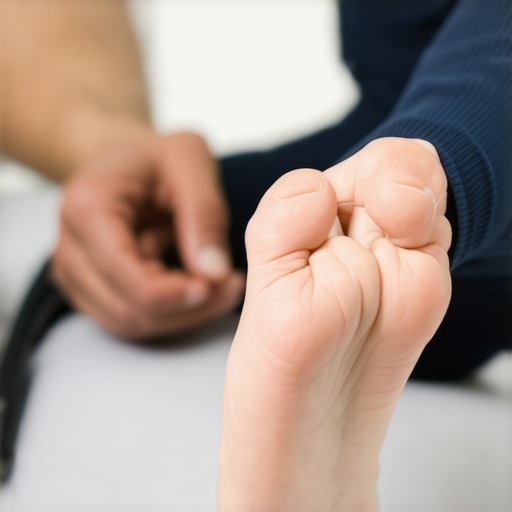
Ever had that moment where you bend down to tie your shoes and suddenly feel a sharp twinge in your lower back? Or maybe you’ve woken up feeling stiff, with a dull ache that just won’t quit, making every movement feel like a chore. I remember my own lightbulb moment vividly—one day, I couldn’t walk properly after a simple run, and that persistent back pain was worse than any injury I’d had before. It was frustrating, confusing, and honestly, a little scary because I knew somethings just weren’t right.
The Missing Piece That Changed Everything
What I didn’t realize back then was how much my big toe’s mobility was affecting my entire body’s alignment and function. Yes, that tiny toe could be the culprit behind my lower back discomfort. When your big toe doesn’t move like it should, it throws off your gait and balance, causing your lower back muscles to overcompensate. Over time, this imbalance can lead to chronic pain, stiffness, and even nerve issues like sciatica. Since learning this, I’ve become passionate about sharing how something as simple as restoring toe mobility can be a game-changer for back health. Today, I’ll walk you through why focusing on your big toe can fix your lower back, based on personal experience and solid science.
Are You Wasting Time on the Wrong Solutions?
I made a common mistake early on—treating my back pain with generic stretches and ignoring the root causes. It’s easy to assume that back pain is just a matter of tight muscles or poor posture, but sometimes the real issue lies elsewhere, like your feet. If you’ve been doing everything possible and still can’t find relief, it might be time to look at your toes. Trust me, the difference I experienced was profound. Restoring mobility in my big toe not only eased my pain but improved my overall posture and walking. If you’re curious whether your toe mobility might be holding you back, keep reading. We’ll explore simple techniques to unlock this often-overlooked part of the body and help you reclaim your mobility and comfort.
Remember, according to a study published in the Journal of Bodywork and Movement Therapies, addressing foot mechanics can significantly reduce back pain symptoms. So, are you ready to discover the secret link between your toes and your back? Let’s dive into the practical steps that can transform your daily life, starting with what you can do today to improve your big toe movement.
Target the Root with Toe Mobility Exercises
Start by lying on your back with your legs flat. Use your fingers to gently manipulate your big toe, moving it up and down, side to side for about 2 minutes. I once spent an entire morning just working on my big toe, and soon I noticed my hips felt freer, and my lower back discomfort lessened. This simple technique is like tuning the foundation of a building—if the base is shaky, everything above suffers.
Implement Toe Stretching Routine Daily
Stand upright and place a small towel or resistance band around your big toe. Gently pull the towel to stretch your toe upward, holding for 20 seconds. Repeat this 3 times per foot. I incorporated this into my morning routine, and within a week, I felt my gait stabilize. Think of your toes as the keystones of your postural arch—keeping them flexible maintains the entire structure.
Use Balance Drills to Reinforce Toe Function
Practice standing on one foot with your toes slightly lifted, aiming to balance for 30 seconds. Switch sides and do 3 rounds. During my first try, I wobbled terribly, but persistence improved my toe strength and stability. Similar to how a tightrope walker needs precise foot placement, strong toes help control your entire alignment.
Incorporate Footpads or Toe Separators
Wear silicone toe separators during daily activities or while resting. This encourages natural toe spread, which enhances mobility. I used these during my evening walk, and I noticed my hips and back feeling more relaxed afterward. Think of it as unlocking a gate that allows free movement through a previously jammed doorway.
Tie It All Together: Connect Your Movements
Integrate these toe exercises with broader mobility practices, like gentle hip circles or ankle rolls to improve overall gait. A specific time I did this was after a day seated at my desk, and the coordinated movement reduced my back stiffness significantly. Remember, your big toe’s mobility directly influences the chain of muscles and joints, especially in your lower back.
For a structured approach, refer to this guide on simple exercises that make a difference. Keep consistent, and over time you’ll notice your back pain diminishing, your posture improving, and your quality of movement enhancing overall.
Keep Moving Forward with Confidence
Improving toe mobility is straightforward yet powerful enough to change your back health. If you want to deepen your understanding of restoring full movement, check out our comprehensive resource on navigating your path to restored mobility. Small steps can lead to significant, lasting changes—embrace this simple, effective technique today.
 Many people believe that persistent back, neck, or sciatica pain stems mainly from muscle strains or poor posture. However, as an experienced practitioner, I’ve seen that these symptoms are often misinterpreted or oversimplified. A common misconception is that stretching or strengthening alone will fix the problem. While these methods are beneficial, they can sometimes mask deeper issues like joint misalignments or nerve entrapments that most overlook. For example, many assume that all sciatica pain originates purely from disc herniation, but research indicates that nerve compression caused by muscular or fascial restrictions can be equally responsible (see this guide for details). Additionally, many get trapped in the myth that wearing supportive braces or cushions is a cure-all. In reality, over-reliance on external supports can weaken your intrinsic stability, leading to dependency and even worsening symptoms over time. That’s why understanding the nuanced causes—like subtle joint restrictions, myofascial adhesions, or nerve sensitivities—is vital. Truly effective treatment requires a comprehensive assessment that targets these often-neglected factors rather than settling on superficial fixes. Beware of the common trap: treating symptoms instead of causes. If you’re still battling pain despite your efforts, consider exploring deeper mobility assessments or professional interventions. For practical tips on addressing these hidden issues, check out simple exercises that often get overlooked. Remember, the key to long-lasting relief is uncovering and resolving the root causes, not just managing symptoms. Have you ever fallen into this trap? Let me know in the comments.
Prioritizing Your Maintenance Toolbox
Staying on top of spinal health requires more than just occasional exercises; it demands consistent tool use and mindful maintenance routines. Personally, I rely heavily on specific equipment and techniques that have proven effective over years of managing back and neck issues. A high-quality foam roller, for example, isn’t just a luxury—it’s essential for gentle myofascial release, helping me prevent tightness before it turns into pain. I prefer the larger, softer ones because they contour to the body, allowing targeted release without excessive pressure, which is crucial for sensitive nerve areas. Moreover, incorporating a massage ball ensures I can reach smaller, stubborn knots in my lower back and shoulder blades, maintaining mobility and reducing stiffness.
In addition to physical tools, I use specific software routines like daily mobility apps that prompt me with tailored stretching and posture cues—these serve as reminders to avoid the pitfalls of prolonged sitting or poor ergonomics. A good posture app that tracks my sitting time and provides corrective prompts helps me reset my position proactively, preventing chronic strain. This blend of tactile and digital tools creates a comprehensive routine that supports long-term health.
The Future of Maintenance: Tech Meets Therapy
Looking ahead, I see a growing trend towards AI-driven biomechanical analysis devices that offer personalized insights based on real-time data. Wearable sensors connected to smartphone apps can now monitor your movement patterns, alerting you to imbalances that could cause pain if left unchecked. This technological evolution promises to make preventive maintenance more accessible and precise, reducing reliance on reactive treatments.
How do I keep my back and neck healthy for the long haul?
Consistency is key. I recommend setting a daily schedule that integrates simple but effective tools like a foam roller, massage ball, and posture reminders. Regularly scheduled sessions—just 5 to 10 minutes—can prevent those nagging pains from creeping back. Also, periodically reassessing your equipment and routines ensures they evolve with your needs. For instance, upgrading your ergonomic chair or adjusting your workspace setup can make a significant difference, as highlighted in ergonomic tips for everyday comfort.
Remember, the science behind effective maintenance underscores the importance of addressing underlying mobility restrictions before they escalate. For a proactive, detailed plan, check out simple exercises that make a difference. By integrating these tools and habits into your routine, you’ll reinforce your body’s resilience and keep pain at bay much longer.
Boost Your Long-Term Results with Consistent Care
One advanced technique I recommend trying is scheduled self-Myofascial Release using a foam roller paired with targeted breathing exercises. According to research by the American Massage Therapy Association, combining breath work with soft tissue work can enhance relaxation and improve outcomes. Even just dedicating 10 minutes daily to this practice can yield noticeable improvements in mobility and pain reduction.
Start today by selecting your preferred foam roller and incorporating regular sessions. As you do, stay mindful of your body’s response, and adjust pressure and duration accordingly. Remember, sustained care is what turns temporary relief into lasting health. Keep at it, and you’ll reap benefits that outlast temporary fixes.
Over time, I realized that the journey to a pain-free life isn’t just about quick fixes or isolated stretches. The most profound lessons came from recognizing subtle cues my body gave—like constant tightness or hesitation in movements—that pointed to deeper issues. One of the hardest truths I faced was understanding that many of my setbacks stemmed from neglecting holistic mobility. For instance, ignoring foot and toe function can silently undermine your entire spinal health, a lesson I learned when persistent back discomfort failed to resolve despite conventional treatments.
Secret Lessons from My Mobility Awakening
- The smallest joints hold the biggest sway: My discovery that restoring big toe mobility improved my entire posture taught me to pay attention to overlooked joints and not just focus on the area of pain.
- Consistency beats intensity: Engaging in minimal but daily targeted exercises proved more effective than sporadic, intense sessions, shaping my long-term approach.
- Understanding causes changes everything: It became clear that addressing root mobility restrictions, rather than just symptom relief, led to sustainable recovery and newfound strength.
- Technology can be your ally: Using tools like posture reminders and mobility apps, I learned that integrating tech into daily routines makes maintaining health more manageable and enjoyable.
Tools and Resources That Transformed My Path
- Simple exercises that make a difference: A cornerstone for building and maintaining mobility, this guide helped me establish a sustainable routine.
- Navigating your path to restored mobility: It deepened my understanding of underlying issues and personalized my approach to healing.
- Expert strategies for sciatica relief: Key insights that found their way into my daily practice, preventing flare-ups and enhancing comfort.
- Ergonomic tips for everyday comfort: These changed my work setup, reducing strain and reinforcing healthy habits every day.
Embrace the Journey Toward Greater Freedom
Remember, your path to improved neck and back health is uniquely yours. Small, consistent steps—like paying attention to your toes or integrating simple mobility routines—can lead to transformative results. Trust in the process, celebrate progress, and keep pushing forward. Your future self will thank you for the action you take today.
What has been your biggest aha moment in understanding how your mobility affects your back health? Share your experience below—I’d love to hear your story!