
How This Nerve Flossing Technique Ends That Annoying Leg Tingling
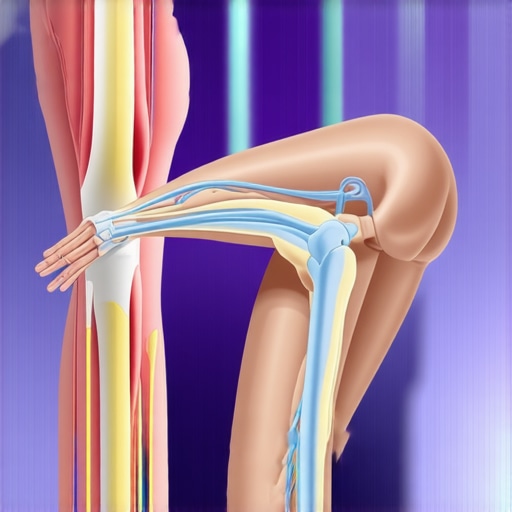
Have you ever been mid-sentence on a busy day when suddenly, that familiar tingling sensation creeps up your leg? It’s as if your nerves are having a tiny, irritating party, and you’re left wondering if this leg numbness will ever go away. I’ve been there more times than I can count, especially during long hours at my desk or after a stressful workout. That frustrating, buzzing feeling can make even the simplest tasks feel overwhelming, and I used to accept it as just another oddity of aging or overexertion.
Breaking Free from the Tingling Trap
One lightbulb moment changed everything for me. I realized that this isn’t just a random nuisance—it’s often a sign that my nerves are kayaking through tight spaces, irritated along their journey. I started digging into nerve flossing techniques, and let me tell you, the results were eye-opening. Today, I want to share how this simple approach helped me reclaim my mobility and say goodbye to that relentless leg tingling.
Is Nerve Flossing Just a Fad or Worth Trying?
Early on, I made the mistake of dismissing nerve flossing as just another trendy stretch. Spoiler alert: it’s not. Once I experimented with it, I began noticing real differences—less tingling, more mobility, and a newfound confidence in managing my sciatic discomfort. If you’ve been skeptical because it sounds too simple or you’re wary of wasting time on yet another ‘’miracle cure,’’ I get it. But evidence shows that nerve gliding exercises can improve nerve mobility and reduce symptoms in many cases, as highlighted by recent studies.
If you’re tired of living with that persistent leg numbness and want to explore a technique backed by both science and personal success, keep reading. We’re going to dive into the exact steps I used to make nerve flossing work for me and how you can apply them too. Trust me, it’s worth a shot—because feeling normal again is absolutely within reach. And if you’ve faced this problem yourself, I’d love to hear about your experience—leave a comment below!
Before we jump into the how-to, it’s helpful to understand why nerve issues happen in the first place. For a deeper look at what might be causing your symptoms, check out this guide on back pain warning signs. Now, let’s explore what nerve flossing entails and how it can set you on the path to relief.
.
Start with Gentle Mobilization
My first attempt at nerve flossing was messy—I tangled myself like a pretzel during my first session. I lay on my back, slowly extending one leg while keeping the other bent. Imagine your nerves are like elastic bands that need to be stretched gently, not snapped. Move slowly into the position, feeling for any discomfort. The key is to breathe deeply and stay within a comfortable range. If you notice sharp pain, back off immediately and consult a professional before proceeding further.
Sequence the Movements for Maximum Effect
Next, I transitioned into a series of controlled movements—alternating between flexing and extending my ankle and knee, while keeping my hip relatively stable. Think of it as loosening a tight rubber band gradually. Repeat this movement slowly, aiming for about 10 repetitions per side. Consistency is vital; incorporate these into your daily routine for sustained relief.
Progress with Targeted Stretches
Once comfortable with basic movements, I added targeted stretches like the ‘ slump stretch,’ which involves sitting with a rounded back and gently leaning forward. This stretch is like unclamping a hose; it relieves pressure along the nerve pathway. To do it effectively, sit on a chair, keep your back straight, then slowly bend forward at the hips. Hold for 15 seconds, then return to starting position. Regular practice reduces nerve irritation and improves flexibility over time.
Timing and Routine for Best Results
Timing matters—perform nerve flossing exercises when you first notice tingling or discomfort. I set a routine to do these exercises twice daily, especially after long periods of sitting. Think of it as oiling a squeaky door; regular application keeps everything moving smoothly. Remember, progress might be gradual; patience and consistent practice are your allies.
Adjust Technique Based on Feedback
Throughout my practice, I paid close attention to my body’s signals. If a movement caused increased tingling or pain, I paused and adjusted the movement’s angle or duration. It’s like tuning an instrument—you refine your technique based on feedback for optimal harmony. If you feel persistent discomfort, consult a physical therapist to customize your routine.
Integrating these steps into your daily life can be transformative. For more tips on enhancing mobility and reducing back pain, explore ergonomic tips for everyday comfort and simple exercises to boost back mobility. Remember, consistency and gentle progression are essential on this journey to nerve health.
Many people believe that pain or limited movement always results from straightforward issues like muscle tightness or joint stiffness. However, there are subtle misconceptions that hinder effective treatment. For instance, a common myth is that stretching alone can resolve all mobility problems. While stretching is beneficial, overemphasizing it without addressing underlying nerve entrapments or postural habits can lead to frustration and stagnation.
Understanding the nuanced causes of conditions like sciatica or neck pain requires a deeper grasp of the nervous system’s role, especially how nerve mobility impacts symptoms. For example, nerve adhesions and fascial restrictions often mimic tight muscles, yet they demand different interventions such as nerve gliding exercises rather than conventional stretching.
It’s also essential to recognize that poor posture isn’t just about slouching; chronic misalignments can lead to nerve compression over time, creating pain that persists despite superficial remedies. Reviewing posture’s impact on chronic back pain can shed light on how subtle habits contribute to long-term issues.
A critical advanced mistake is assuming that pain indicates a need for aggressive intervention. In reality, pain can be a protective response from the nervous system, and pushing through discomfort may aggravate nerve irritation instead of alleviating it. Mindful, gentle approaches often produce better results, especially when combined with awareness of nerve health.
Have you ever fallen into this trap? Let me know in the comments. Remember, addressing the complex interplay between muscles, joints, and nerves involves more than just simple stretches. For a comprehensive look at how to manage nerve-related mobility issues, explore mobility mastery tips.Maintaining your nerve health and mobility over the long term requires more than just occasional stretches or exercises. Having the right tools and routines in place can make all the difference in ensuring consistent progress and preventing setbacks. For me, integrating specific equipment and tech solutions has revolutionized my approach to back pain, sciatica, and neck discomfort. One standout is the use of foam rollers and massage balls. I personally swear by a high-density foam roller for my lower back and hips, because it targets my fascia and muscle tissues effectively, which traditional stretching often overlooks. For problem areas like the sciatic nerve, I rely on a tennis ball, which I use against a wall to release knots and trigger points—this method is supported by experts like Dr. Kelly Starrett, who emphasizes self-myofascial release for nerve and tissue health.
Three Surprising Truths I Discovered About Nerve Flossing
One of the biggest revelations for me was that nerve issues aren’t just about stretching; they involve understanding the nerve’s journey and how tension accumulates silently over time. I realized that persistent habits—like prolonged sitting or poor posture—gradually compress nerves, making targeted exercises essential. Additionally, I learned that patience is key—improvement requires consistent, gentle effort rather than quick fixes. Lastly, I found out that tuning into my body’s signals during exercises is critical; pain is a message, not just discomfort, guiding me to adjust my routine before injury occurs.
Tools and Reads That Transformed My Approach
For anyone serious about improving nerve mobility, I recommend the ergonomic tips guide to optimize your daily setup, reducing nerve strain. The book Becoming a Supple Leopard by Dr. Kelly Starrett offers in-depth advice on self-myofascial release and movement quality that I personally rely on. Additionally, Sciatica relief strategies have helped me develop a comprehensive plan to manage flare-ups without fear. Incorporating these resources created a balanced approach that empowered me to take control of my nerve health.
Your Next Step Toward Nerve Confidence
Remember, enhancing your nerve mobility isn’t about quick fixes; it’s about creating consistent habits that respect your body’s signals. By integrating gentle flossing with mindful posture and smart routines, you can transform discomfort into strength. Take the first step today—your journey to lasting relief and better movement starts now. If you’ve experienced a breakthrough or struggle with nerve exercises, I’d love to hear your story—share below and let’s learn from each other!