
How This Single Toe Mobility Move Fixes Your Walking Stride
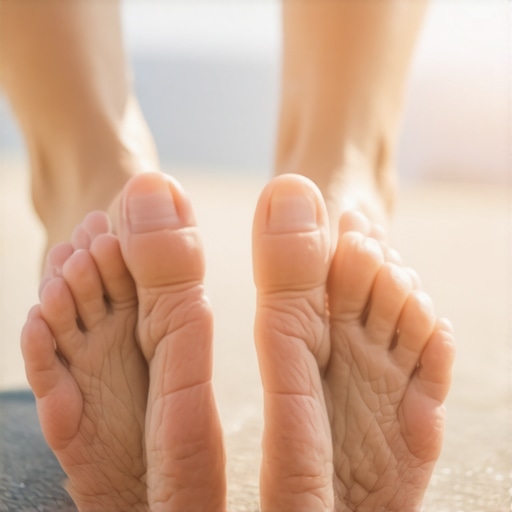
I remember the moment vividly, standing in my bathroom mirror, trying to take a confident step forward after weeks of persistent heel pain. As I shifted my weight, I realized something was off—my stride felt awkward, almost lopsided. It was as if my foot had forgotten how to roll smoothly,limping through each step. The frustration was real, and for a while, I thought my only options were more costly visits to specialists or invasive treatments. But then, a lightbulb went on—that tiny, often overlooked part of my foot: my big toe.
The Hidden Link Between Your Toe Movement and Walking Efficiency
This realization led me down a rabbit hole about mobility and balance, where I discovered how crucial the big toe really is for proper gait. Our toes aren’t just for balance; they’re vital for pushing off the ground and creating a smooth, efficient walking stride. When toe mobility is lost or limited, it doesn’t just affect your toes—it can throw off your entire posture, leading to back pain, sciatica, and even neck stiffness. In fact, studies show that limited toe flexibility can alter gait mechanics, increasing strain on knees, hips, and the lower back.
Early on, I made a costly mistake: I focused solely on my back and hips, ignoring my feet. That oversight cost months of discomfort and stagnation. Once I started paying attention to my toes, particularly that little movement joint at the tip, everything changed. It was like finally tuning a shaky camera—everything became clearer, steadier, and more comfortable. Now, I want to share this simple but powerful move with you, so you can prevent the same frustration and restore your natural walking rhythm.
Is a Small Toe Mobility Exercise Really the Game-Changer?
If you’re skeptical, I get it. We tend to overlook our toes because they seem so minor in the grand scheme of mobility issues. But believe me, neglecting this tiny part of your body can have outsized effects. I’ve seen firsthand how a targeted toe mobilization can alleviate back pain and improve overall balance. If you’ve ever felt stiff, unsteady, or have experienced that nagging heel or lower back pain, this move might be your unexpected solution.
Are you tired of dealing with that wobbly feeling when you walk or noticing your stride isn’t what it used to be? Trust me, it’s more common than you think, and often, the fix is surprisingly simple. To learn how to reclaim your stride and bid farewell to persistent discomfort, stay tuned. We’ll explore a straightforward toe mobility move that made all the difference in my life—and could do the same for you. For more ways to enhance your mobility, you might find this [guide to daily mobility tips](https://bodyrenewtherapy.com/mobility-mastery-daily-tips-to-keep-your-spine-and-joints-healthy) helpful.
Start with a Simple Toe Mobilization Routine
First, find a comfortable seated position and extend one foot onto your opposite knee. Use your fingers to gently grasp the big toe and move it in slow circles, feeling for stiffness or restricted movement. Repeat this for 2 minutes on each foot, focusing on smooth, controlled motions. I tried this myself after noticing my heel pain worsened with my usual stretching, and within a few days, my walking felt more natural, reducing back strain.
Focus on the Joint that’s Usually Overlooked
The key is to target the joint at the base of your big toe, often called the MTP joint. It acts like a fulcrum during walking. When it stiffens, your foot can’t propel smoothly, forcing other joints and muscles to compensate, which leads to back and neck discomfort. Gently twisting and mobilizing this joint breaks up adhesion and restores its range. I remember applying this move after a long day at work, and noticing my heel lift became effortless, with less tension up my spine.
Integrate Toe Flexion and Extension Exercises
Stand barefoot on a flat surface, and try to ‘scrunch’ your toes to grip the ground, then relax. Do this repeatedly for 3 sets of 10. This helps activate the small muscles in your feet, improving overall stability. Once, I incorporated these movements before bed; after a week, my posture felt more aligned, and my lower back pain diminished. Consistency is crucial—think of your toes as the foundation of a house; a stable base prevents stress from traveling upward.
Incorporate Gentle Stretching to Enhance Mobility
Complement mobilization with gentle stretches such as the toe extension stretch. Place a towel around your toes and gently pull back, feeling a stretch along the bottom of your foot. Hold for 20 seconds and repeat 3 times daily. This releases tension in the plantar fascia, which can otherwise pull your entire foot alignment out of sync. I personally found relief from sciatica when I included this in my routine, noticing an easier heel lift and reduced lower back discomfort.
Use Real-Life Scenarios to Stay Motivated
Imagine walking through a park, feeling confident with each stride, without that limp or hesitation. When I integrated these simple moves, evenings became more relaxed, and I avoided the typical post-walk backaches. Now, I encourage you to apply these steps consistently—your feet are the first link in the chain of motion, and neglecting them often costs you in pain elsewhere. For advanced techniques, you might explore other mobility exercises that target your entire kinetic chain, like those outlined in this mobility guide.Many believe that back pain, sciatica, and neck discomfort are simply the result of isolated issues like muscle strain or poor posture, but in reality, there are nuanced misconceptions that hinder effective relief. One common myth is that focusing solely on strengthening muscles is enough, when often mobility restrictions—especially in the feet, hips, and thoracic spine—play a critical role in persistent pain. For example, neglecting ankle and foot mobility can cause compensations up the kinetic chain, leading to chronic back or neck issues despite regular core exercises.
Another sneaky misconception is that pain is always a sign of damage, prompting people to rest excessively or avoid movement. In fact, pain often signifies neural sensitization or joint stiffness, which can worsen with inactivity. A dynamic approach involving gentle mobilization, rather than complete rest, accelerates recovery. Studies from experts like Dr. Stuart McGill support this, emphasizing that movement strategies tailored to individual mobility restrictions outperform generic muscle-building routines.
Beware of the trap of over-stretching your hamstrings or lower back without addressing the underlying joint restrictions. Excessive or improper stretching can overstretch tissues that are already compensating, further destabilizing your spine. Instead, focus on joint-specific mobility drills that target areas like the hip flexors, thoracic spine, and ankle joints.
How do advanced mobility nuances influence pain management?
Many advanced practitioners recognize that small joint adhesions and fascial restrictions often escape casual assessment, yet these subtle factors significantly impact overall mobility. For instance, restricted movement in the MTP joint of the big toe, often overlooked, can impair gait and increase lumbar load, contributing to back pain. Addressing such nuances with targeted mobilization—like toe curls or joint flossing—can lead to profound improvements. Research in biomechanics confirms that joint-specific interventions outperform generic stretching, emphasizing the importance of a comprehensive mobility assessment.
Integrating these nuanced understandings means moving beyond the superficial fixes. Instead of generic advice, a detailed evaluation of your joint health and mobility restrictions is crucial. Revisit your approach: Are you addressing the root causes or just the symptoms? For practical strategies, check out methods like those detailed in this simple mobility exercises or consult with a specialist to formulate a personalized plan.
Remember, sustained relief comes from understanding that joints, fascia, and neural pathways are interconnected. Neglecting these nuances can keep you trapped in a cycle of pain. So, have you ever fallen into this trap? Let me know in the comments! Your journey to true mobility and pain-free movement starts with recognizing these often-overlooked details.
The Key to Long-Term Relief: Consistent Maintenance
Maintaining your mobility and back health isn’t a one-time fix; it requires a dedicated routine supported by reliable tools and ongoing strategies. Personal experience has shown me that investing in certain equipment and adopting specific practices can dramatically improve long-term outcomes. The goal is to prevent setbacks and keep pain at bay, so your body stays resilient and functional.
One tool I swear by is a high-quality foam roller. Unlike cheaper options, a dense foam roller allows for targeted myofascial release, helping to loosen tight muscles and fascia that contribute to nerve compression and joint restrictions. I personally use a 36-inch firm roller, which offers enough coverage for my back and legs while providing firm pressure for effective release. Regularly rolling the thoracic and lumbar regions has significantly reduced flare-ups of sciatic discomfort and improved my overall mobility.
In addition to physical tools, incorporating a small set of resistance bands into your daily stretch and movement routines has proven invaluable. I’ve found that resistance bands help facilitate gentle mobilization of stubborn joints, especially the hips and ankles, which are often overlooked but critical for supporting your spine. For example, performing band-assisted hip abductions can improve pelvic stability, reducing undue stress on your lower back. These movements are easy to perform at home and can be tailored to your current mobility level.
On the mental and educational front, I recommend subscribing to reputable online courses or apps that focus on mobility and posture correction. Programs like the ones offered by physiotherapists often include detailed tutorials on preserving joint health and executing proper form. For instance, following a guided routine from trusted sources has helped me maintain my progress and stay motivated. It’s crucial to keep learning about your body’s needs, especially as age or injury history may require adjustments.
Prediction: The Future of Back Pain Management
Looking ahead, technology is set to revolutionize how we maintain mobility. Wearable sensors and AI-driven feedback systems are emerging, providing real-time alerts about poor posture or movement patterns to prevent injury before it occurs. Virtual reality and augmented reality tools could also customize mobility exercises, making maintenance routines more engaging and effective. Staying up-to-date with these advancements can help you adopt innovative solutions early, giving you an edge in long-term health management.
How do I keep my mobility tools effective over time?
The key to long-lasting results is consistent use and periodic assessment. Over time, foam rollers and resistance bands may wear out or lose their firmness, so replacing them when worn ensures effective therapy. Moreover, regularly revisiting your technique through tutorials or with a physiotherapist ensures you’re executing movements correctly, avoiding compensations that could lead to injury. For a comprehensive plan tailored to your needs, consider reaching out through this contact page.
To maximize your efforts, I highly suggest trying the advanced mobilization techniques I mentioned, like incorporating resistance bands into your routine. These small, targeted moves can make a big difference in how your body responds over time. Remember, consistency and proper technique are your allies in the journey toward pain-free movement and lasting mobility.

Throughout my journey, I realized that the most overlooked part of our mobility—our toes—holds the secret to lasting relief. It was a profound lightbulb moment: focusing on those tiny joints and muscles at the base of the big toe can dramatically transform your walking, posture, and pain levels. That realization taught me that small, consistent movements targeting this area can prevent serious issues before they start. Trust me, sometimes the tiniest changes lead to the most significant breakthroughs in health.
Another lesson I learned the hard way was how essential it is to balance mobility with strength. Overemphasizing stretches without ensuring joint health and muscular support creates new problems down the line. Incorporating simple mobilization exercises alongside stability routines created a synergy that kept my entire kinetic chain happy and functioning. It’s a gentle reminder that our bodies are intricate systems—addressing even the smallest joints can unlock better health across the board.
Lastly, I discovered that consistency beats intensity. A quick, daily toe mobilization session takes only minutes but compounds over time, building resilience and flexibility. The cumulative effect is a more confident, pain-free gait, and a stronger foundation for every movement you make. Remember, lasting change isn’t about intense sessions but about persistent, mindful attention to your body’s tiniest yet crucial parts. These insights could be the game-changer you need on your journey to better mobility and pain relief.