
How to build a core that protects your spine
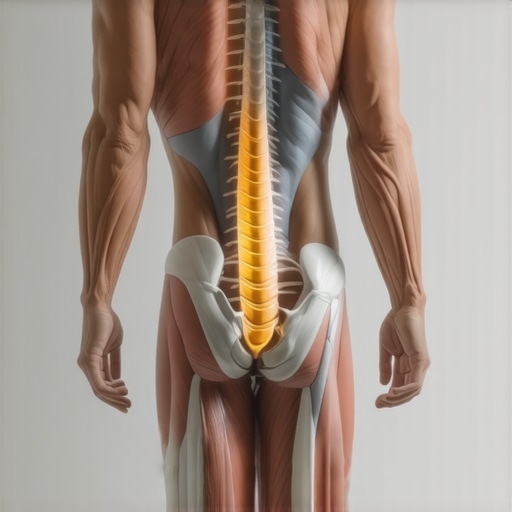
It hit me one morning—waking up with a tight, stabbing pain in my lower back that made even simple movements feel like 이루다. I realized that despite years of stretching and strengthening exercises, I was missing a crucial piece of the puzzle: a properly built, resilient core. Honestly, for a while I thought core exercises were just about aesthetics—until my own back started protesting, loudly. That’s when I knew I had to rethink everything, dive deep into the science of core stability, and truly understand how to protect my spine.
Why Your Back Deserves More Than Just Basic Exercises
Our spines carry us through life’s daily adventures—lifting groceries, sitting at desks, bending to tie our shoes. But many of us neglect the foundation that keeps everything upright and functional: a strong, properly engaged core. Building this core isn’t just about abs you can show off; it’s about creating a shield for your spine, preventing injuries, and alleviating chronic pain.
The funny thing is, I made a mistake early on that nearly compromised my progress: I focused only on superficial abdominal muscles and ignored the deep, stabilizing muscles that truly support your spine. This mistake slowed my recovery and made me realize how overlooked this aspect is, even among seasoned fitness enthusiasts. For more insights on daily mobility practices that safeguard your back, check out this comprehensive guide.
Are you tired of battling nagging back pain that seems unresponsive to typical workouts? Do you wonder why your efforts to strengthen your core don’t seem to do much beyond a six-pack? You’re not alone. Most people overlook that building a core that truly protects your spine requires more than crunches or sit-ups; it calls for mindful engagement of the deep muscles that act as your body’s natural corset.
The good news? With a strategic approach, you can develop a resilient core capable of supporting your spine through all of life’s demands. Ready to move beyond the basics and create a foundation that keeps your back healthy for years to come? In the next sections, I’ll share actionable steps backed by science and my personal experience to help you build that protective core — starting with understanding the key muscles involved.
Activate Your Deep Core Muscles First
Begin by lying on your back with knees bent and feet flat on the floor. Place one hand on your lower abdomen and the other on your chest. Inhale deeply, then exhale slowly, gently drawing your belly button toward your spine without moving your chest. This promotes engagement of your transverse abdominis—the body’s natural corset. I once practiced this before bed, focusing only on my breathing, and noticed immediate relief in my lower back tension by morning. Consistent practice patterns like this strengthen your deep stabilizers, essential for long-term spine health.
Learn to Use Pelvic Floor Activation
Engage the ‘Inner Engine’
Imagine you’re stopping a stream of urine mid-flow. This subtle lift activates your pelvic floor muscles—another crucial component of core stability. I incorporated pelvic floor exercises into my routine after noticing less discomfort during daily activities, especially when bending or lifting. Regularly combining pelvic floor engagement with abdominal bracing enhances spinal support, reducing the risk of strain or injury. For targeted techniques, visit this guide.
Practice Breathing Techniques That Support Stability
Proper diaphragmatic breathing synchronizes with core activation. Lie down and place a book on your chest and abdomen. Inhale through your nose, expanding your belly first, then your chest. Exhale slowly, contracting your abdominal muscles. This rhythm trains your nervous system to recruit deep stabilizers automatically. I found that starting my day with 5 minutes of diaphragmatic breathing minimized my back flare-ups and improved posture alignment. Using controlled breathing as a foundation creates a seamless connection between respiration and core engagement.
Integrate Functional Movements to Reinforce Stability
Move beyond isolated exercises by practicing controlled, multi-joint movements like bird dogs or modified planks. These simulate real-life activities, encouraging your core to stabilize dynamically. For example, I often practiced gentle bird dog extensions during my lunch break, focusing on slow, deliberate movements. Over time, this improved my ability to maintain posture during chores or sudden twists. Remember, quality over quantity—prioritize correct form to avoid compensatory patterns that can undermine your progress.
Master Bracing Techniques Before Heavy Lifting
Before any exertion, brace your core by tightening your abdominal and pelvic muscles as if preparing for a gentle punch. Maintain this tension while performing lifts or bends. I once forgot to brace when lifting a heavy box, resulting in immediate lower back discomfort. After consciously engaging my core, I experienced a feeling of stability and reduced strain. Developing this proactive habit is vital; it transforms reactive support into proactive protection, especially in everyday tasks like gardening or furniture rearranging.
Combine Micro-Movements for Daily Resilience
Throughout your day, perform small movement resets—hip tilts, shoulder rolls, or gentle twists—to maintain mobility and reinforce core stability. These act as movement snacks, preventing stiffness and maintaining muscle memory. I integrated a 2-minute reset every hour, which kept my back pain at bay even during long hours at my desk. These micro-movements are simple yet profoundly effective in fostering a resilient, pain-free back system.
Become Mindful of Posture to Sustain Core Engagement
Posture acts as the foundation for consistent core activation. Keep your shoulders relaxed, chest open, and hips aligned over your ankles. Use reminders or ergonomic adjustments to sustain awareness. Once, I used sticky notes on my monitor, prompting me to check my posture. This enhanced my core engagement during work and reduced my tiring back aches. Mindfulness of posture creates a feedback loop where your body naturally adopts healthier positions, reinforcing your core strength over time.
Many assume that increasing flexibility through gentle stretching is the key to alleviating pain, but in reality, this belief can be misleading. Overstretching or stretching cold muscles often exacerbates issues rather than resolves them, especially with conditions like sciatica or chronic neck pain. The real nuance lies in understanding the distinction between mobility and stability—focusing solely on one can create gaps that worsen pain over time. Experts like Dr. Stuart McGill emphasize that effective rehabilitation should balance controlled mobility with robust stability, targeting the underlying support systems rather than just symptom relief. A common myth is that pain indicates tightness needing more stretching; however, in many cases, the pain stems from muscular imbalances, poor posture, or nerve sensitivities that require strategic strengthening rather than prolonged stretching. For advanced practitioners, questioning whether their mobility drills are addressing root causes is crucial. Are you unintentionally reinforcing compensatory patterns? For example, overly aggressive stretching without engaging the deep stabilizers can lead to joint laxity and instability, which might intensify symptoms or trigger new issues. Remember, pain is a warning, not a badge of dishonor; respecting it involves assessing whether your routine promotes true resilience. To refine your approach, consider integrating dynamic stability exercises and mindful posture practices. For insights into common pitfalls and scientifically backed strategies, check out [this guide on enhancing mobility and spinal health](https://bodyrenewtherapy.com/enhance-your-back-mobility-ergonomic-tips-for-everyday-comfort). Recognizing these intricacies helps prevent the trap of superficial solutions—what works for one person may undermine another. Let’s dig deeper into these nuances, so your efforts lead to lasting relief. Have you ever fallen into this trap? Let me know in the comments.Maintaining your back’s health requires more than just sporadic exercises; it’s about integrating reliable tools and consistent practices into your routine. One essential piece of equipment I personally rely on is a high-quality *lumbar roll* or *foam lumbar support*. I use a memory foam lumbar pillow during long hours at my desk, which effectively preserves my lumbar curve and prevents slouching. This simple tool reminds me to sit upright and maintain proper spinal alignment, reducing strain over time. Additionally, I swear by a *resistance band* for dynamic stability exercises. I incorporate targeted band work into my daily mobility routine to strengthen deep core muscles and improve endurance. These versatile tools allow me to address specific weaknesses that contribute to issues like sciatica or neck pain, ensuring long-term resilience.
In the future, I predict that wearable technology, such as biofeedback devices, will play a bigger role in personal back health management by providing real-time data and prompts. This innovation can help prevent injuries before they happen, making proactive care accessible and effective.
How do I maintain my mobility tools and techniques over time?
Regular maintenance and mindful usage are key. Clean your lumbar support monthly and check resistance bands for cracks or overstretching. Set reminders to replace aging equipment to ensure safety and effectiveness. Also, staying updated with the latest research—like Dr. Stuart McGill’s work on spine biomechanics—can guide you in refining your tool usage for optimal results. Remember, consistency is vital. Integrate your tools into daily habits, such as using a lumbar roll during desk work or engaging with resistance bands during your morning mobility routine. Doing so helps embed these practices into your lifestyle, making back health second nature.
Try incorporating a *resistance band* for controlled stability drills today—simple yet highly effective. For a comprehensive approach, explore how mobility mastery can complement your tool use, keeping you active and pain-free for years to come. Visit this guide for practical tips on sustaining long-term spinal health.Throughout my journey managing back health, I’ve uncovered profound insights that only years of trial, error, and honest reflection can teach. First, I realized that superficial exercises provide immediate satisfaction but rarely lead to lasting resilience; true strength comes from engaging the deep stabilizers that support your spine every day. Second, neglecting my posture and daily micro-movements created gaps I wasn’t aware of—small habits, like slouching or holding tension, gradually eroded my progress. Lastly, I learned that tools like lumbar supports and resistance bands are only part of the equation—consistent mindfulness, proper technique, and understanding my body’s unique needs transformed my back from fragile to fortified.