
How to Carry Your Backpack Without Shifting Your Pelvis
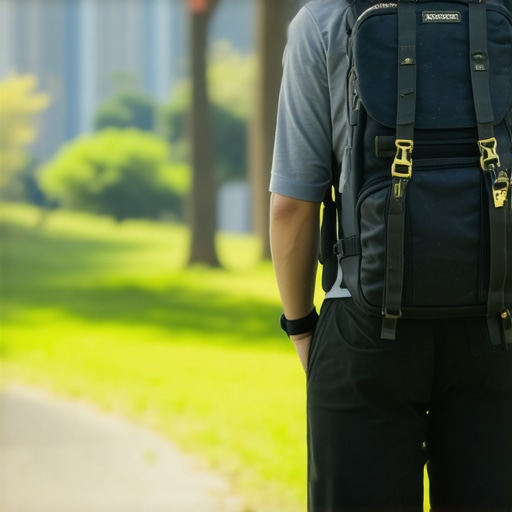
I remember the exact moment I realized I had been unknowingly sabotaging my own back health. It was after lugging around a heavy backpack for what felt like the thousandth time—my pelvis tilted painfully to one side, and I was left staggering home with a throbbing lower back and a nagging sense of frustration. That sinking feeling—knowing I was doing something wrong, but unsure what—hit hard. And that’s when I had my lightbulb moment: the way I carried my backpack mattered more than I thought.
The Hidden Cost of Improper Backpack Carrying
Every day, millions of us shoulder backpacks loaded with books, laptops, and other essentials. But what many don’t realize is that uneven weight distribution can cause your pelvis to shift and your spine to misalign, leading to chronic back pain, sciatic discomfort, and even long-term mobility issues. The problem isn’t just about comfort—it’s about preventing injuries that can nag you for years. I’ve seen firsthand how small adjustments can make a world of difference, and I want to make sure you don’t fall into the same trap I did. Whether you’re a student, commuter, or parent, mastering how to carry your backpack correctly can save your back from a lot of trouble.
Why Your Early Mistakes Worsen the Problem
Believe me, I made one critical mistake early on—carrying the bag on one shoulder all the time. It seemed convenient but ended up causing more harm than good. That’s a common pitfall. Instead of balancing the load evenly or adjusting straps properly, many just get used to the discomfort, unaware of the long-term damage it’s causing. The good news? Correcting this isn’t complicated once you know how. I’ll guide you through simple, effective tactics that will help you carry your backpack without shifting your pelvis or worsening back pain.
If you’re tired of the endless nagging in your lower back or neck, and want to keep your mobility intact, stay tuned. We’ll cover practical steps, backed by expert advice, on how to lighten your load’s impact and keep your spine in check. Plus, I’ll share some quick exercises and ergonomic tips that fit into your busy schedule. Ready to reclaim your comfort? Let’s dive into how you can carry your backpack with proper technique and stay pain-free.
Preventing Pelvic Shifts: The First Step to Comfort
Adjusting your backpack correctly is just the beginning. It’s crucial to understand the importance of balanced weight distribution and proper posture to prevent your pelvis from shifting, which can lead to long-term damage. Be sure to check out ergonomic tips for everyday comfort to learn more about maintaining backbone health during daily activities. Small changes can have a big impact—so let’s explore how to make it happen effectively.
Distribute the Weight Evenly
Start by ensuring your backpack’s weight is balanced. Use both straps simultaneously, tightening them so the pack sits snugly against your back. This reduces asymmetric pull on your pelvis. I vividly recall one morning, I adjusted my straps after reading a quick tip from these ergonomic guidelines, and immediately felt a difference. The load no longer tugged unnaturally, easing my lower back strain.
Choose the Right Backpack
Select a pack with padded straps and a supportive back panel. An adjustable sternum strap can help stabilize the load, preventing excessive sagging that shifts your pelvis. When I switched to a backpack with better padding and fit, my posture improved significantly, and the discomfort I endured during long commutes diminished.
Properly Adjust Strap Lengths
Ensure straps are set so the backpack sits between your shoulder blades—about 4-5 inches below the shoulders. A pack that hangs too low pulls your pelvis forward, causing imbalance. I once spent a week neglecting strap adjustments, which led to persistent lower back tightness. After fine-tuning, I noticed an immediate relief, reinforcing how small adjustments can prevent chronic issues.
Maintain Good Posture When Carrying
Stand upright, keep your shoulders relaxed, and engage your core. Think of your spine as a strong, flexible column. During a day when I consciously aligned my spine, I felt my pelvis settle into a neutral position, reducing the strain and avoiding that familiar tilt that had caused pain.
Limit Backpack Weight
Carry only essentials. Regularly declutter to lighten the load. I remember hauling a heavy textbook and laptop unnecessarily; it ended with my pelvis shifting and enduring pain afterward. By trimming down my items and following advice from these simple exercises, I maintained a healthier pelvis and alleviated future pain.
Utilize Front Carriers or Rolling Bags for Heavy Loads
For very heavy items, consider a rolling bag or involving both hands. Carrying weight on one side consistently causes pelvic tilt, much like leaning a mirror against one wall—distortion ensues. Switching to a roller minimizes asymmetry. I experimented with this during a recent trip; despite heavier luggage, my back remained comfortable throughout.
Regularly Strengthen and Stretch
Incorporate core and back exercises to support proper posture. Strengthening muscles help maintain pelvic neutrality during daily activities. When I integrated quick routines from these mobility workouts, I noticed my ability to carry a backpack improved alongside my overall back health.
Remember, Small Changes Yield Big Results
Applying these steps consistently will prevent your pelvis from tilting and reduce back pain. Think of your pelvis as the foundation of a building—careful attention ensures stability and long-term health. Embrace adjustments like strap tuning and intelligent load management, and you’ll find yourself moving with greater ease and less discomfort.
,Many assume that neck pain and back issues stem solely from environmental factors or temporary muscle strains. However, as an expert, I’ve seen that most misconceptions are deeply rooted in misunderstood nuances, leading people to ineffective treatments or even worsening their conditions. One common myth is that stretching always helps relieve pain; in reality, aggressive or improper stretching can aggravate underlying issues, especially if neural or joint structures are involved. According to a study in the Journal of Orthopaedic & Sports Physical Therapy, overstretching tight muscles without addressing the root cause can prolong recovery and sometimes cause additional nerve irritation.
Another overlooked nuance involves the role of neural mobility versus muscle flexibility. Many focus solely on stretching muscles, but nerve gliding exercises—like those detailed in these techniques—are crucial for conditions like sciatica or compressed plexus. Neglecting neural health can lead to persistent symptoms that muscle therapy alone won’t resolve.
Beware the trap of misdiagnosis. People often think all neck stiffness or back pain originates from muscular issues, but joint misalignments or facet joint degenerations frequently play a significant role. Inaccurate self-assessment may delay effective treatment, which is why integrating comprehensive evaluations by a clinician skilled in movement analysis can save time and avoid aggravation.
So, how can you differentiate between muscular tightness and neural or joint dysfunctions? It’s essential to look for signs like radiating pain down the limbs, numbness, or tingling, which point more toward nerve involvement. For instance, these lifestyle changes can significantly improve neural mobility and reduce sciatic symptoms.
In summary, challenging the common misconception that all pain is muscle-related and recognizing the importance of neural and joint health can revolutionize your recovery process. Incorporate intelligent movement strategies, avoid aggressive stretching when neural tissues are involved, and seek professional guidance when symptoms persist. Remember, addressing the subtle nuances can be the difference between short-term relief and long-term health. Have you ever fallen into this trap? Let me know in the comments.
How Do I Maintain Long-Term Mobility and Back Health?
Staying pain-free and maintaining mobility requires more than just exercises; it involves investing in the right tools and establishing smart habits. One of my go-to tools is the versatile foam roller. I personally use a 36-inch high-density foam roller daily to release muscle tension along my back and hips, helping prevent stiffness from settling in. Its effectiveness lies in its ability to reach deep into muscles like the piriformis, which, if tight, can irritate the sciatic nerve. Regular use enhances circulation, reduces trigger points, and maintains tissue flexibility.
Another essential device is a simple massage ball, like a lacrosse ball. I keep one at my desk and use it during breaks to target tight knots in my shoulders and neck. Its small size lets me focus on specific trigger points, which is critical for neural mobility and reducing nerve compression symptoms. Consistently applying gentle pressure can prevent minor aches from escalating into chronic issues, especially when combined with targeted stretching routines.
Complementing physical tools, I highly recommend using ergonomic software or apps that remind you to move. For example, programs like ergonomic reminders help establish habits like adjusting your workstation or doing quick mobility drills. These consistent behavioral cues reinforce good posture, which is vital for long-term health, especially when dealing with scar tissue or joint degeneration that naturally progresses over time.
Looking ahead, I predict that wearable tech like posture sensors and smart braces will become commonplace in spinal health maintenance. They will provide real-time feedback, enabling personalized corrections and alerting you before minor misalignments become painful. Incorporating such tech can be a game-changer in proactive back care.
What Are Proven Methods for Sustaining Neural Mobility?
Neural gliding exercises are a crucial part of my toolkit. For example, gentle sciatic nerve stretches, like those outlined in these techniques, help maintain nerve flexibility. I perform these during the day to prevent neural adhesions, which can worsen symptoms over time. The key is consistency—just a few minutes of neural mobilization daily helps reduce tingling, numbness, and pain associated with sciatic issues.
Additionally, I recommend monitoring your posture throughout the day with visual cues. Placing a mirror near your workspace or using a phone app to record daily checks can ensure you’re maintaining spinal neutrality. These simple practices empower you to catch and correct poor habits before they lead to longer-term problems like disc degeneration or facet joint wear.
Remember, the goal is to build sustainable routines. Incorporating tools like foam rollers and trigger balls, combined with posture awareness, keeps your tissues and nerves healthy. For more detailed strategies, explore these lifestyle modifications that have helped many achieve lasting relief. Give one of these methods a try today—your future self will thank you!
Overcoming persistent neck pain, back discomfort, or sciatica often requires more than surface-level fixes; it demands a deep understanding of the subtle nuances that influence your body’s health. My journey revealed that many commonly recommended approaches overlook critical factors like neural mobility and pelvic stability, which can be game-changers in your path to lasting relief. Recognizing that neural adhesions or pelvic misalignments often go unnoticed initially was a pivotal moment—once addressed, the road to recovery becomes clearer and more sustainable.
The Hidden Lessons That Changed My Approach to Pain Relief
- Empower Your Neural Health: I learned that nerve mobility is just as vital as muscle flexibility. Incorporating gentle nerve gliding exercises transformed my recovery from stubborn sciatic pain into a manageable routine, proving that neural health often holds the key to long-term relief.
- Pelvic Alignment Matters More Than You Think: Correcting pelvic tilt and ensuring balanced load distribution in daily activities have prevented my back from flaring up unexpectedly. Small positional adjustments, like proper backpack fit and ergonomic habits, can prevent complex issues before they start.
- Question Common Myths: Stretching isn’t always the answer; sometimes, overstretching or wrong techniques exacerbate issues. Recognizing when neural tension or joint restrictions are involved helps tailor more effective treatments, saving time and discomfort.
- Consistency Is Your Best Ally: Lifestyle habits—regular movement, mindful posture, and targeted exercises—created a resilient foundation that sustains progress, highlighting that lasting change stems from daily commitment rather than quick fixes.
Tools That Revolutionized My Back and Neck Care
- Ergonomic tips guide: My go-to resource for everyday back health strategies, emphasizing subtle adjustments that yield significant benefits.
- Simple mobility exercises: These straightforward routines have been crucial in maintaining neural and tissue flexibility, especially after periods of inactivity or long workdays.
- Sciatica management techniques: Approaches focused on neural gliding and posture correction transformed my understanding of pain management and prevention.
- Daily mobility mastery: A holistic resource for integrating habits that support spine and joint longevity, essential for anyone facing chronic neck or back issues.
Take Action for a Healthier Future
Addressing neck pain, back discomfort, or sciatica isn’t just about temporary relief; it’s about forging habits that support your mobility and well-being in the long run. Small, thoughtful changes—like practicing neural gliding regularly, correcting pelvic misalignments, and maintaining ergonomic awareness—pave the way for a pain-free, active life. Your body is resilient, and with intentional effort, you can reclaim your comfort and confidence. Don’t wait for pain to dictate your life—start implementing these strategies today, and watch as your mobility improves from the inside out.
What’s one habit you’re willing to change today to support your neck and back health? Share your plan below—I’d love to hear your commitment to a healthier you!
,