
How to Fix Your Computer Neck Without Buying New Gear
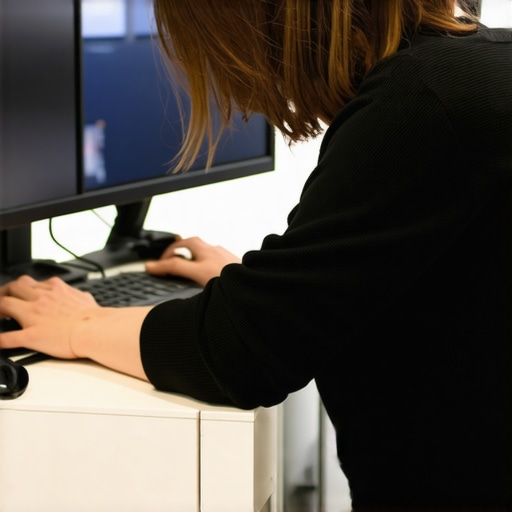
Nothing is more frustrating than that familiar stiffness creeping up your neck after a long day at the desk. I remember the moment I first realized my daily battle with neck tightness was affecting my mood, focus, and even my sleep. It hit me during one feverishly busy day when I tried to turn my head and felt that sharp pinch—the kind that makes you stop dead in your tracks. That lightbulb moment made me realize: I shouldn’t have to accept perpetual discomfort just because I spend hours hunched over my laptop.
Why Fixing Your Computer Neck Matters More Than You Think
Many people shrug off neck pain, thinking it’s just part of working with tech. But neglecting it can lead to real problems—chronic stiffness, decreased mobility, and even headaches. Plus, if you’re like me, you’ve probably tried everything from expensive ergonomic gear to pointless stretches that only made things worse. The good news? You can fix your computer neck without buying new gear or dumping money into gimmicks. I’ve learned a few simple, effective techniques that transformed my daily comfort and could do the same for you.
Is It Really Worth the Hype to Fix Neck Pain on Your Own?
Honestly, I was skeptical too. I made the mistake early on of overcomplicating the process, thinking I needed professional help for every ache. Turns out, a lot of the pain stems from habits I could modify myself—like how I position my workspace or how I take breaks. According to health experts, simple adjustments in posture and routine can dramatically reduce neck strain (see more at neck pain solutions). Trust me, I’ve found that small changes lead to big relief.
If you’ve been battling this discomfort, you’re not alone. And I promise, there are realistic steps you can take today. Ready to stop suffering in silence and get back to feeling good? Let’s dive into some practical moves that can help you regain your neck’s mobility and comfort—without emptying your wallet.
Adjust Your Workspace for Better Posture
Start by aligning your monitor at eye level, so you don’t tilt your head up or down. Place your keyboard and mouse close enough to keep your elbows at a 90-degree angle. I once repositioned my monitor during a lunch break, and within a day, I noticed my neck felt less strained—think of it as giving your spine a straight highway instead of a winding road.
Use a Proper Chair and Sitting Technique
Opt for an ergonomic chair that supports your lower back, and sit all the way back, ensuring your feet are flat on the ground. Avoid slouching; imagine a string gently pulling your head upward, keeping your spine aligned. I experimented with sitting upright during a long work session, which initially felt odd, but my neck pain reduced significantly after a few hours.
Incorporate Targeted Neck Exercises
Perform gentle stretches like slow neck tilts—gently lowering your ear to your shoulder and holding for 10 seconds. This is akin to loosening a stiff hinge. I incorporated these into my morning routine, and over a week, my range of motion improved, and the twinges decreased. Consistency is key, similar to priming a pump to keep water flowing smoothly.
Practice Nerve Flossing Movements
This technique helps free up compressed nerves causing discomfort. Sit or stand upright, then gently tilt your head as if saying “no,” while controlling the movement. Think of it as untangling a knot—gradually and carefully. Before I learned this, my pain would spike unpredictably; now, these movements act as a release valve, offering quick relief.
Implement Breaks and Micro-Movements
Take a 1-2 minute break every 30 minutes to stand, stretch, or walk around. Imagine your neck and shoulders as a pipeline that needs regular flushing to prevent sediment buildup. I set a timer, and this small habit prevented my stiffness from worsening, especially when working on tight deadlines.
Strengthen Postural Muscles
Engage in exercises like shoulder blade squeezes—pinch your shoulder blades together and hold for five seconds. This action trains your upper back to support proper alignment. I added these to my daily routine, noticing improved stability and less fatigue in my neck area.
Address Underlying Stress and Tension
Stress often tightens muscles; incorporate deep breathing or mindfulness. Visualize releasing tension like deflating a balloon—slowly and completely. After a stressful day, I practiced mindful breathing, which noticeably reduced my neck tightness and improved overall relaxation.
Review Your Sleep Environment
Use a pillow that supports your neck’s natural curve—neither too high nor flat. I switched to a cervical pillow, and mornings became much more comfortable. Proper sleep setup acts as the foundation for your daytime posture and pain levels.
Many people believe that sciatica, neck pain, or back discomfort stem solely from obvious injuries or misalignments, but in my experience, there’s a complex web of misconceptions that many fall into, often perpetuated by mainstream advice. One common myth is that rest is always the best course of action. While it might feel intuitive to lie still when experiencing pain, prolonged inactivity can actually weaken your muscles and make pain worse over time—something validated by studies like those from the Cochrane Database, which emphasize movement and targeted exercises for recovery. Furthermore, many assume that pain directly correlates with tissue damage, but pain perception is often influenced by neural sensitization, which can persist even after an injury has healed. This nuance explains why some experience lingering discomfort despite no evident structural issues, and underscores the importance of understanding your nervous system’s role in pain. It’s also a mistake to underestimate the importance of posture correction. Often, folks focus solely on the symptomatic area, but neglecting the biomechanical chain reaction—like poor pelvic alignment or shoulder hunching—can set the stage for recurring issues. For advanced practitioners, addressing these subtle imbalances through comprehensive ergonomic adjustments or specialized exercises can make a substantial difference. If you’re still searching for relief, I recommend exploring expert strategies tailored to your situation at this resource. Another trap to avoid is relying solely on quick fixes like popping pain pills or transient stretches. While these may offer temporary relief, they often mask underlying causes and lead to dependency, delaying genuine recovery. Instead, adopting a holistic approach that includes strengthening weak muscles, improving mobility, and addressing stress is crucial.
Why does my nerve pain persist even after treatment?
Nerve sensitization and central nervous system adaptation can cause pain to persist long after the initial injury has healed, which explains why some therapies seem ineffective. Recognizing this shift requires a nuanced approach, combining modalities like nerve glides, neural mobilization, and stress management. An insightful study published in the Journal of Orthopaedic & Sports Physical Therapy highlights the significance of neurodynamics in chronic pain management, and suggests that dedicated neural mobilization techniques can drastically improve outcomes. By understanding these sophisticated mechanisms, you can craft a more effective, long-term pain management plan. Remember, good health isn’t just about treating symptoms but understanding the complex systems behind them. Have you ever fallen into this trap? Let me know in the comments.
Keep It Moving with the Right Equipment and Techniques
Staying healthy isn’t a one-time effort; it requires consistent attention and the right tools. Over my years of managing neck and back issues, I’ve identified specific equipment and methods that truly make a difference in maintaining long-term mobility and pain relief. Investing in high-quality tools can transform your daily routine from reactive to proactive, helping you avoid setbacks and scaling issues as you progress in your recovery journey.
For instance, I highly recommend a foam roller designed for targeted myofascial release. Not all foam rollers are created equal—I’d suggest the premium density foam roller. I personally use a medium-density roller because it provides enough pressure to loosen tight muscles without causing pain or strain. Regular foam rolling, especially before workouts or long work sessions, keeps my muscle tissues supple and reduces trigger points that can cause nerve compression, like sciatica or neck tension.
Next up is a ergonomic workstation setup. I’ve found that an adjustable sit-stand desk allows me to switch positions frequently, preventing prolonged static postures that worsen pain. A monitor arm that places screens at eye level eliminates the need to tilt your head, drastically reducing neck strain. My secret weapon is a keyboard with tenting features, which encourages a more natural wrist position and keeps my shoulders relaxed. These adjustments, combined with proper chair support, have been game-changers in maintaining posture health over time.
On the software side, I rely on posture reminder apps like posture correction tools that send gentle nudges to straighten up or take micro-breaks. These digital cues serve as a neural reset, reinforcing healthy habits even during busy workdays. In the future, I predict AI-driven ergonomics assessments will become mainstream, providing personalized corrections based on your movements and habits, further enhancing long-term health.
How do I maintain recovery and prevent setbacks over time?
Consistency is key. Regularly incorporating gentle stretches and targeted exercises, like the mobilizing routines I swear by, ensures muscles remain flexible and joints stay mobile. Remember, even the best tools won’t compensate for neglecting your daily habits. Always revisit your setup—what works today might need adjustments as your body changes or as you progress.
Expert studies, such as those published in the Journal of Physical Therapy & Rehabilitation, emphasize the importance of a comprehensive approach—combining ergonomic tools, exercises, and mindful habits. By investing in quality equipment and establishing consistent routines, you set a solid foundation for long-term relief and improved quality of life. So, try adding a foam roller to your daily prep or adjusting your workspace—small steps with big impact can keep your spine healthy for years to come.Throughout my journey to conquer neck and back pain, I learned some lessons that few are willing to share. The hardest lesson was realizing that quick fixes and trendy advice often mask deeper issues—like nerve sensitization or postural imbalances—that require patience and targeted strategies. I discovered that listening to my body, rather than chasing every new gadget, made a real difference. Additionally, I found that understanding the neurological aspect of pain transformed my approach from frustration to empowerment, leading to more sustainable relief.