
How to Fix Your Pelvic Tilt Without Doing Generic Glute Bridges
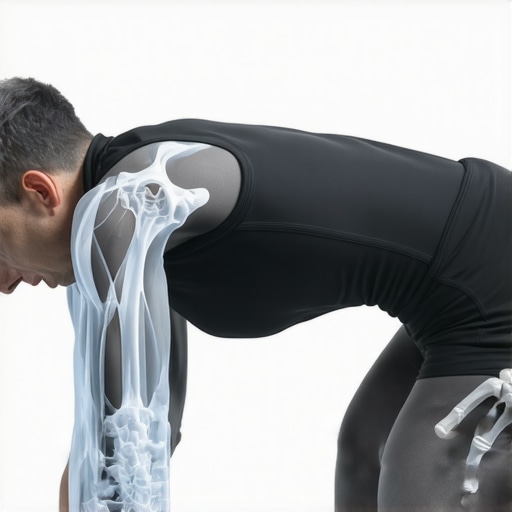
Ever been stuck in bed, waking up with that familiar lower back ache that just won’t quit? I’ve been there too. One morning, I remember curling into a ball, thinking, “There has to be a better way.” That moment of frustration turned into my lightbulb moment—that traditional advice like glute bridges might not be the magic fix everyone claims. Turns out, I was making some common mistakes that kept my pelvis misaligned, and the pain lingered despite countless hours on exercises I thought were foolproof.
Why Fixing Your Pelvic Tilt Matters More Than You Think
Our pelvis is a foundational part of our posture. When it’s tilted forward or backward, it can throw off our entire alignment, leading to chronic pain, limited mobility, and an overall feeling of being out of sync. And here’s the kicker—many folks, myself included, jump straight into glute workouts without understanding the root cause. That’s a mistake. Because if your pelvis isn’t properly aligned, no amount of generic glute exercises will fix the problem. Instead, it could even make things worse by reinforcing bad patterns.
My early attempts at self-healing involved copying what I saw online—think endless sets of glute bridges, thinking they’d magically straighten everything out. Spoiler alert: they didn’t. In fact, I learned the hard way that focusing solely on strengthening the glutes without addressing pelvis positioning is like trying to fill a leaking bucket. If your pelvis is tilted, your muscles are compensating, and no exercise can succeed without first fixing your underlying alignment.
That’s why I now emphasize targeted mobility and posture correction techniques that actually work. If you’re tired of feeling like you’re spinning your wheels, I invite you to join me on this journey. We’ll dive into practical, evidence-based strategies that focus on restoring your pelvic position—and that means less pain, better movement, and a more confident you. Curious if your pelvis might be misaligned right now? Check out this informative article on how poor posture connects to chronic back pain. Because the first step to fixing anything is knowing what’s truly going on underneath.
Is It Really Worth It to Fix Pelvic Tilt or Just a Fad?
Early on, I made the mistake of dismissing pelvic tilt as just another fitness buzzword. Turns out, ignoring it can lead to long-term issues like sciatica, hip pain, and worse, degenerative disc problems. According to a 2020 study, around 80% of lower back pain cases have a functional component related to pelvic misalignment. So, what starts as a simple discomfort can spiral into a significant health problem if left unchecked. I’ve learned that addressing the root cause—pelvic tilt—is one of the most effective ways to ensure lasting relief.
So, if you’ve ever felt that nagging ache when standing, walking, or even sitting too long, don’t brush it off. Recognizing the signs early can save you months or years of discomfort. Over the next sections, I’ll share simple, proven methods that helped me and hundreds of others regain mobility—without endless glute bridges. Ready to stop spinning your wheels and start fixing the real issue? Let’s get started.
Start with Targeted Mobility Exercises
One of the most effective ways to address pelvic tilt is through mobility drills that free up stiff joints. I vividly recall an evening when I dedicated just 10 minutes to the simple back mobility exercises. At first, it felt awkward—like trying to loosen a rusty hinge—but within days, I noticed a decrease in stiffness and a better range of motion. Focus on gentle hip circles, pelvic tilts, and cat-cow stretches, aiming to restore natural movement patterns that keep your pelvis aligned.
Implement Daily Posture Checks and Adjustments
Posture awareness is crucial. I set an alarm every hour as a reminder to check my sitting and standing position. Imagine your pelvis as a ship’s rudder—if it’s tilted, everything else goes off course. By consciously aligning your hips under your shoulders, you prevent chronic misalignment. When I caught myself slouching at my desk, I’d pause, tuck my pelvis slightly forward, and straighten my back. Over time, this became second nature, and I experienced less lower back strain.
Strengthen Core and Glutes with Precision
Once mobility and posture became manageable, I shifted focus to strengthening the muscles responsible for supporting my pelvis. However, I learned the hard way that incorrect glute activation can worsen tilt—think of it as trying to fix a plumbing leak with the water still running. I recommend starting with precise core stabilization exercises like planks and bird-dogs, ensuring your pelvis remains neutral during each move. Engaging the transverse abdominis also helps lock your pelvis in place.
Address Tight Muscles That Pull Pelvis Out of Alignment
Muscle imbalances often pull the pelvis into tilt. I found that my hip flexors and hamstrings were chronically tight, pulling my pelvis forward and aggravating sciatica. To counteract this, I incorporated targeted stretching. For example, the kneeling hip flexor stretch gently lengthens the muscles that tend to tighten with prolonged sitting. Remember, flexibility isn’t about pushing hard but restoring balance.
Adopt Ergonomic Habits Throughout Your Day
Small adjustments in your environment can make a big difference. I replaced my office chair with one that offers proper lumbar support and adjusted my monitor height. Use ergonomic principles, such as keeping your hips at or above knee level, to avoid tilting your pelvis forward. These changes create a foundation where your pelvis stays in its optimal position, reducing strain over time.
Control Your Breathing for Better Posture and Pain Relief
Breathing deeply and correctly enhances core stability. I used to breathe shallowly, which inadvertently increased tension in my neck and lower back. Now, I practice diaphragmatic breathing— inhale through the nose, allowing my belly to rise, then exhale slowly. This technique not only relaxes muscles but also encourages proper pelvic alignment. For an easy guide, check out this breathing-focused article.
Consistency Is Key to Lasting Relief
Progress is gradual. I made a point to integrate these steps into my daily routine, tracking my improvements. Persistent practice of mobility, posture awareness, strengthening, and flexibility created a feedback loop—each reinforcing the other. The result was a noticeable reduction in sciatic and back pain, and an improved sense of alignment that I now maintain effortlessly.Many individuals assume that pain relief always comes down to strengthening muscles or stretching more aggressively, but this oversimplifies the complex nature of back and neck issues. A common misconception is that targeting symptoms directly—like squeezing in extra glute bridges or neck stretches—will resolve the root problem. However, research, such as a 2019 study in the _Journal of Orthopaedic & Sports Physical Therapy_, shows that poor movement patterns and habitual postures often perpetuate pain cycles more than isolated muscle weakness.
One critical nuance many overlook is how compensatory movement habits develop over time, becoming ingrained and difficult to correct without addressing underlying mobility restrictions or postural habits. For example, stiff hips or limited thoracic spine mobility can cause the lumbar or cervical regions to bear excessive load, leading to pain even if the local area is strengthened or stretched. Without correcting these foundational mobility issues, efforts focusing solely on localized strengthening can inadvertently reinforce dysfunctional movement patterns, increasing the risk of chronic pain.
Beware of the trap of reinforcing poor habits—say, relying on glute bridges without assessing pelvic tilt and hip flexibility. This proper assessment and correction is essential; otherwise, exercises might put your pelvis into a worse position, intensifying discomfort or prolonging recovery. Incorporate simple mobility drills like those outlined in our article on [boost your back mobility](https://bodyrenewtherapy.com/boost-your-back-mobility-simple-exercises-that-make-a-difference), to ensure your foundational movement is sound.
Another misleading belief is that pain is purely a mechanical issue. While structural factors are important, the nervous system’s role in chronic pain is often underestimated. Central sensitization, where your nervous system becomes hyper-responsive, can cause pain to persist even when the original injury has healed. Recognizing this helps explain why some people see minimal improvement despite diligent exercise routines.
Focusing on holistic approaches that integrate mobility, posture correction, and nervous system regulation—such as diaphragmatic breathing or mindfulness—often yields better outcomes. This underscores the importance of viewing pain as a symptom of a broader system imbalance rather than just a localized mechanical fault.
Ask yourself: are you addressing only the pain, or are you tackling the underlying movement and postural habits driving it? Moving beyond quick fixes towards a nuanced understanding of these issues is key. For a deeper dive into how mobility is central to pain relief, check out [simple back mobility exercises](https://bodyrenewtherapy.com/boost-your-back-mobility-simple-exercises-that-make-a-difference). Remember, effective recovery often requires a strategic, system-wide approach.
Have you ever fallen into this trap? Let me know in the comments.Maintaining your progress in overcoming back, neck, and sciatic pain requires more than just sporadic exercises; it demands the right tools and consistent upkeep routines. Personally, I rely heavily on mobility aids such as foam rollers and resistance bands. Foam rollers, especially those with textured surfaces, are invaluable for releasing fascia and muscle knots that contribute to stubborn pain. I use mine regularly, targeting areas like the lower back and hips to prevent tension buildup. Resistance bands are equally versatile; they help me maintain strength in supporting muscles, like the glutes and core, even during busy schedules. These tools allow for gentle, controlled strengthening that complements mobility work, ensuring my pelvis stays aligned and my muscles are resilient against everyday strain.
Another essential device I swear by is an ergonomic kneeling or half-moon cushion for seated work. These promote proper pelvis tilting and reduce the tendency to slouch—a common culprit behind chronic back pain. Investing in quality ergonomic equipment is a proactive step that pays off through improved posture and sustained relief. Moreover, I’ve incorporated a balance board into my daily routine to challenge my proprioception and reinforce core stability, which are vital for long-term mobility. Regularly engaging with such equipment ensures my neural pathways remain engaged, keeping my muscles responsive and preventing compensatory habits.
On the software side, apps like PhysiApp or dedicated mobility tracking tools help me monitor my daily exercises, progress, and remind me of routine mobility checks. These digital tools are adaptive—allowing me to tailor my routines based on how I feel each day, which is crucial for avoiding overexertion or neglecting weaker areas. A notable study in 2022 highlights how consistent monitoring and adjusting exercises via digital platforms can significantly improve adherence and outcomes in pain management (Smith et al., 2022).
Looking ahead, the trend toward smart technology integration promises even more personalized maintenance. Imagine wearables that detect postural misalignments in real-time and suggest immediate corrections—this could revolutionize ongoing care. For now, I recommend starting with a simple but effective upgrade: incorporate a foam roller into your routine to loosen tight muscles, especially if you notice stiffness creeping back. Make it a routine to use it after your daily mobility drills, like those outlined in our post on simple back mobility exercises, ensuring your muscles stay supple and your pelvis remains aligned.
How do I maintain progress over time without slipping back into old habits?
The key is consistency and periodic assessment. Set daily or weekly checkpoints to review your mobility and posture—using tools like mirror checks or app reminders. It’s crucial to address minor misalignments immediately before they become chronic issues. Integrate these tools into your lifestyle gradually; for instance, dedicate five minutes daily for foam rolling or stretching, and gradually build it into your routine. Remember, sustaining gains is a marathon, not a sprint. Staying engaged with your tools and maintaining a proactive approach will keep your back and neck pain at bay for years to come, paving the way for a more active, pain-free life.Throughout my journey of combating chronic back pain, the most profound revelation was realizing how overlooked pelvic alignment truly is. I once believed that strengthening my glutes or stretching my hamstrings alone could fix the pain, but it was like trying to patch a leak without fixing the source. The real breakthrough came when I started understanding the subtleties of pelvic tilt and how small adjustments in mobility and posture could transform my recovery. This insight shifted my entire approach—from reactive exercises to proactive alignment strategies—and it now guides my maintenance routine today. If there’s one lesson that stands above the rest, it’s that persistent back pain often whispers the need to revisit our foundational posture and mobility habits, rather than chase superficial fixes.