
How to sit on a plane without your legs going numb
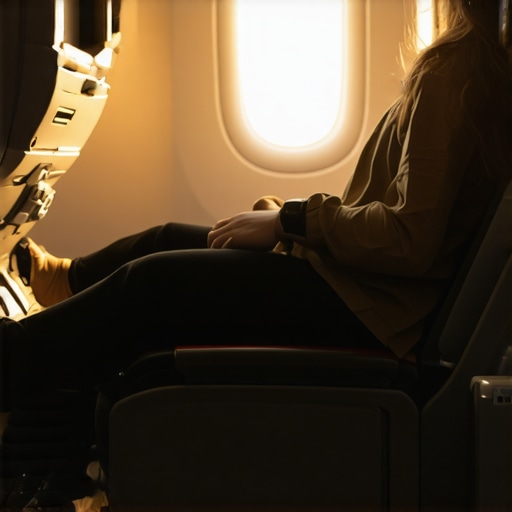
I remember the first time I flew cross-country and felt that terrible, tingling numbness creeping up my legs. It was as if my legs had fallen asleep permanently, and I was stuck in a chair that refused to let me move freely. That moment was a lightbulb moment for me—realizing how inadequate my sitting habits were during long flights and how much discomfort they could cause. Have you ever experienced that annoying numbness or even sharp tingling during a flight and wondered if there’s a better way to sit?
Conquering the Numbness: Regain Comfort on Your Next Flight
Traveling by plane should be a comfortable experience, not a test of endurance against numb limbs and restless discomfort. In this post, I’ll share proven strategies based on personal experience and expert advice to help you sit without losing sensation or risking your health. From simple position adjustments to thoughtful preparation, you’ll discover how to enjoy your flight without sacrificing circulation or comfort.
Is Sitting for Hours Really as Dangerous as They Say?
Early on, I made the mistake of assuming that sitting still, even for hours, was harmless. Yet, I learned the hard way that prolonged immobility can impair blood flow and lead to numbness, cramping, or even deep vein thrombosis in rare cases. According to a 2022 study from the American Journal of Cardiology, long periods of inactivity significantly increase the risk of circulatory issues. This revelation motivated me to seek out practical techniques that would keep my legs and feet healthy during travel. If you’ve experienced similar doubts or skepticism, rest assured—small but consistent adjustments can make a huge difference.
Now that I understand why this discomfort happens, let’s explore how you can avoid it altogether and enjoy your flight to the fullest. Ready to learn the secrets that turned my travel experience around? Let’s get started.
Position Correctly From the Start
Begin by adjusting your seat to a neutral position where your hips are slightly higher than your knees, mimicking the natural curve of your lower back. During my recent flight, I sat in a slightly reclined position, using a lumbar pillow I brought along. The result was immediate relief; I avoided the common ‘crash and numbness’ feeling that usually hits after an hour. Think of your spine as a chain—if any link is misaligned, the entire chain becomes strained. Proper initial positioning distributes your weight evenly, reducing pressure on nerves and discs.
Use a Lumbar Support for Alignment
Place a small cushion or lumbar roll behind your lower back to maintain its natural curve. I learned this trick after struggling through a previous flight, where my lower back started aching within 30 minutes. This support acts like a gentle brace, preventing your lumbar spine from flattening or over-curving, which are common causes of back pain and sciatic discomfort. If you don’t have a lumbar pillow, roll up a sweater or use a rolled towel—just ensure it fits snugly and supports your lumbar region.
Micro-Movements Keep Circulation Flowing
Staying still for hours is like pinning a butterfly’s wings—it hampers circulation. During my flight, I set a timer to remind myself to stand, stretch, or wiggle my legs every 20 minutes. Simple movements like ankle circles or flexing feet are effective; don’t underestimate their power. Imagine your legs as water hoses—if the water remains stagnant, pressure builds, and you risk numbness or even clot formation. Small, frequent movements keep blood flowing, preventing numbness and reducing the risk of deep vein thrombosis.
Stretch Your Legs and Feet Regularly
Stand up and do a quick stretch: raise your heels, then toes, or rotate your ankles. When I tried the heel-to-toe stretch, I noticed my legs felt more energized afterward. These actions act like oiling a stiff machine; they maintain flexible joints and healthy blood flow. If an aisle chair isn’t available, do seated stretches by extending your legs and pointing your toes or circling your ankles.
Avoid Crossed Legs and Fidget Less
Crossing your legs can constrict blood flow similar to pinching a garden hose—it’s effective but short-term aid that worsens circulation over time. During my flight, I consciously kept my feet flat on the floor and avoided crossing my legs; this small change instantly improved circulation. Think of your blood vessels as roads—keeping them clear ensures smooth traffic. Fidgeting, or changing positions frequently, prevents the buildup of pressure and reduces numbness, much like shifting gears in a car reduces wear and tear.
Stay Hydrated and Mindful of Diet
Dehydration thickens your blood and hampers circulation, leading to increased discomfort. I kept a water bottle at my side, sipping regularly to stay hydrated. Hydrated blood flows more freely, much like a well-maintained river. Limit salty snacks, which can cause swelling and further impede circulation. Proper hydration is a simple but often overlooked step in preventing numbness and cramping during long flights.
Prepare Before You Fly
Exercise your legs and hips beforehand with mobility drills like squats or hip circles—these warm up your muscles and improve flexibility, much like priming a machine ensures smoother operation. Incorporate stretching routines from resources likeBoost Your Back Mobility. Well-prepared muscles resist strain better, reducing the chance of sciatic flare-ups during travel.
Many assume that stretching or strengthening exercises alone can resolve complex issues like chronic back pain and sciatica, but this oversimplification misses crucial nuances. A common myth is that pain always signifies tissue damage needing rest or immobilization; however, in many cases, pain signals nervous system sensitivities or compensation patterns rather than actual injury. For instance, some patients believe that avoiding movement will prevent further damage, but this often leads to stiffness and more dysfunction over time. Recognizing the role of the nervous system and proprioception is essential—learned movement patterns and muscle guarding can perpetuate pain cycles regardless of tissue health. According to research from the Fascial Research Society, fascia mobility and neural entrainment play significant roles in pain syndromes, yet many practitioners focus solely on joint or muscle strength.
Why do traditional stretching routines sometimes worsen pain instead of alleviating it?
Stretching routines can backfire if they do not address underlying neuro-musculoskeletal patterns. For example, aggressive or poorly directed stretching may increase muscle guarding or trigger pain hypersensitivity, making symptoms worse. Instead, gentle mobility exercises that target neural pathways and fascial planes, like myofascial release or controlled articular rotations, can help reset movement patterns safely. Learn more about effective strategies in conquering sciatica. Moreover, many people overlook the importance of addressing hidden factors, such as pelvic alignment, breathing mechanics, and foot posture, which have a profound impact on spinal health. Simply strengthening muscles without considering these elements can reinforce faulty movement habits. For example, excessive lumbar extension during seated work or improper neck positioning can sustain discomfort even after daily stretches. Advanced practitioners recognize that a multifaceted approach, including lifestyle modifications and awareness training, yields sustainable results.
Mastering the subtle differences: How to distinguish between pain from tissue injury and nerve hypersensitivity?
Understanding this distinction is vital for effective treatment. Pain from tissue injury typically worsens with specific movements, persists over time, and resolves with healing processes, while nerve-related pain often presents as burning, tingling, or shooting sensations that may be triggered by minimal stimuli or movements. Nerve hypersensitivity can be perpetuated by neuroplastic changes, where the nervous system remains in a heightened state of reactivity. Techniques such as gentle neural mobilization, breathing exercises, and neurological re-education can attenuate this hypersensitivity. For comprehensive insights, visit top lifestyle changes for managing nerve-related pain. Recognizing these nuances prevents unnecessary interventions and directs therapy toward restoring neural health rather than solely focusing on muscle or joint issues. Remember, pain is a complex interplay of multiple systems—treating the symptom without understanding its roots can lead to prolonged suffering. Learning to listen to your body’s signals and differentiate these pain types guides you toward more targeted and effective strategies. Want to explore this topic further? Check out the article on posture and chronic pain for deeper insights. Have you ever fallen into this trap? Let me know in the comments.Maintaining your back, neck, and overall mobility requires more than just occasional stretching or posture checks. Over time, investing in the right tools and adopting effective methods is crucial to ensure long-term health and prevent setbacks. One of my favorite devices is a high-quality foam roller. I personally use a dense, 36-inch foam roller to gently release fascial restrictions, especially in my thoracic region and hips. Regular self-myofascial release with a foam roller keeps my tissues pliable and reduces the risk of trigger points that can cause pain or stiffness. For more guided sessions, I turn to apps like ‘MobilityWod’ which offer detailed tutorials and scalable routines suited for various levels. These tools help me stay consistent and informed about proper techniques, minimizing the chance of injury.
Another indispensable item is a trigger point massage ball, such as a tennis ball or lacrosse ball, which I use to target stubborn knots in areas like the piriformis or along the occipital ridge. I’ve found that incorporating daily ball work before stretching significantly enhances my flexibility and reduces nerve compression symptoms. To complement manual tools, I rely on ergonomic accessories like adjustable sit-stand desks and lumbar supports, which are designed to promote better posture during prolonged periods of sitting—an aspect critical for those managing sciatica or neck pain.
Prediction-wise, technology in this space is moving toward smart devices that monitor posture and provide real-time feedback, making self-care more intuitive. Wearables like the Upright GO train your back muscles by reminding you to maintain proper alignment, even amidst busy schedules.
How do I maintain my mobility routines over time? Consistency is key, and that’s where integrating tools like foam rollers and trigger point balls into daily habits makes all the difference. I also schedule regular check-ins with experienced practitioners, such as physical therapists or osteopaths, for personalized assessments and targeted interventions. You can learn more about sustainable back health routines in our cornerstone article about [conquering sciatica](https://bodyrenewtherapy.com/conquering-sciatica-proven-approaches-to-end-discomfort-now). If you’re ready to take your maintenance to the next level, I highly recommend trying a specific technique: using a tennis ball under your foot to calm sciatic nerve symptoms, which has provided me remarkable relief during flare-ups. For personalized guidance, don’t hesitate to [reach out](https://bodyrenewtherapy.com/contact-us). Keeping your tools updated and routines consistent is essential—your future self will thank you for it.Reflecting on my journey through managing mobility, back pain, sciatica, and neck discomfort, I’ve uncovered some less obvious truths that changed my approach. First, I realized that even minor habitual posture tweaks can prevent setbacks—small adjustments practiced daily have compounded into lasting relief. Second, understanding that pain isn’t always a sign of damage, but often a nervous system alarm, allowed me to adopt gentler, neuro-based healing techniques rather than aggressive stretches that sometimes made things worse. Lastly, embracing a holistic mindset—focusing on movement quality, mental relaxation, and environment—truly accelerates recovery and resilience. These lessons, though personal, can unlock a new perspective for anyone striving for lasting comfort.