
How to Spot a Compressed Disc Before It Becomes an Emergency
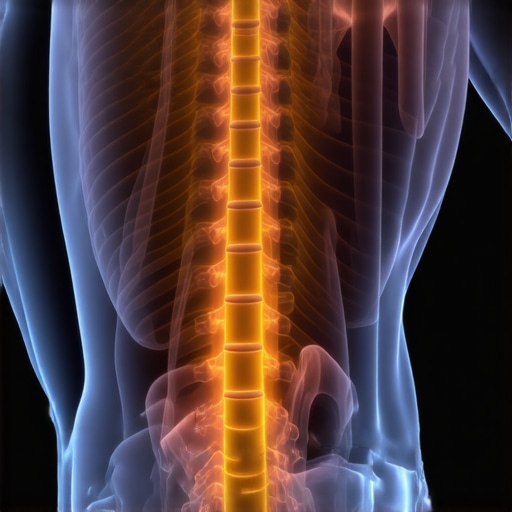
It was just another morning when I felt a sharp, searing pain shoot down my leg as I reached for my coffee. Suddenly, my mobility was limited, and I knew something was seriously wrong. That lightbulb moment — realizing I might be heading toward a herniated disc — changed everything about how I approached back health. If you’ve ever experienced that sudden jolt of pain or a tingling sensation that makes you question your next move, you’re not alone. Many people dismiss early warning signs, chalking them up to minor strains or age, but ignoring these signals can lead to urgent, life-disrupting emergencies.
Why Spotting a Herniated Disc Early Matters
Understanding how to identify the signs of a developing disc herniation can save you from a world of pain and unnecessary surgeries. The truth is, with a little awareness, you can catch problems long before they require urgent intervention. I learned this the hard way — I mistakenly brushed off my initial discomfort, thinking it was just a pulled muscle. That early mistake delayed my diagnosis and worsened my condition. It’s a common trap: misinterpreting early warning signs as minor nuisances instead of critical signals that your spine needs attention.
Research shows that early detection and proper management can significantly improve recovery chances and reduce long-term damage. According to a 2022 study published in the Journal of Spinal Disorders & Techniques, proactive identification of disc issues can decrease the likelihood of needing surgical procedures by over 50%. That’s a big deal, and it underscores why being aware of subtle symptoms is so crucial. If you’ve felt persistent back stiffness, numbness, or weakness in your limbs, these could be signs that your disc is under threat — and the clock is ticking.
So today, I promise to walk you through practical, easy-to-spot signs that indicate a herniated disc is forming, enabling you to seek timely help. Because nobody wants to find out the hard way — when pain becomes unbearable or mobility is lost. Do you remember that uncomfortable feeling that seemed minor at first but kept getting worse? If so, it’s time to pay attention — your spine’s health depends on it. By the end of this, you’ll be equipped to recognize the early warning signals and take action before an emergency strikes. Want to know how?
Is It Really Worth the Fuss? The Risks of Ignoring Early Signs
I’d be lying if I said I didn’t make a mistake early on. I dismissed my discomfort as a mere strain and continued with my usual routines. That oversight—failing to take my symptoms seriously—cost me precious time and led to a more complicated recovery. Learning from that, I now advocate for listening to your body and seeking professional advice at the first hint of trouble. Remember, the sooner you identify the warning signs, the better your chances of avoiding long-term damage. For more insights on managing back pain early, check out this article.
Stay tuned, because next, we’ll dive into specific symptoms to watch for and practical steps you can take today to protect your spine. Your health and mobility are worth it—and your future self will thank you for taking action now.
Start with Simple Self-Checks to Pinpoint Early Warning Signs
First, pay attention to how your body responds during daily activities. When I noticed a tingling sensation down my leg while reaching for a cabinet, I immediately paused to assess. If you experience persistent numbness, shooting pains, or weakness in limbs, these are strong indicators that something is amiss. Test your mobility: try bending forward and see if you feel a sharp pain or stiffness—similar to bending a flexible straw that suddenly resists and pops. This sensation can suggest a disc issue. Keeping track of these responses helps you identify patterns—are certain movements causing pain? Noting these can save you time and guide your next steps.
Implement Targeted Movements to Alleviate and Diagnose
Perform the McKenzie Test Carefully
This involves lying on your stomach and gently pressing up on your elbows, looking for relief or aggravation of symptoms. During my attempt, I found that a controlled extension relieved my lower back pain temporarily, but bending forward intensified it. This sign pointed me toward specific exercises and professional help. If you notice pain increasing during such tests, it’s a clear sign to consult a specialist. Remember, don’t push through severe discomfort—listen and stop immediately if symptoms worsen.
Try the Piriformis Stretch to Differentiate Nerve Involvement
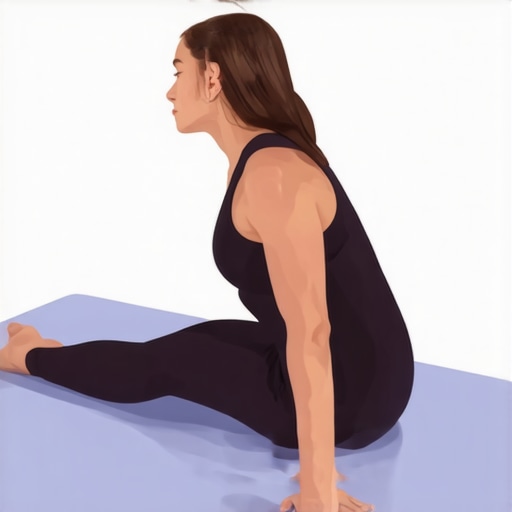
This stretch targets the glutes and can help determine if sciatica is originating from muscular tension or a herniated disc. I applied this after noticing numbness in my leg that didn’t improve with rest. Gently crossing one leg over the other in a seated position and pulling the knee toward the chest helped reduce symptoms temporarily. If this alleviates pain, the root might be muscular, but persistent symptoms—especially along the nerve pathway—call for professional evaluation. Use this as a screening tool to decide whether further imaging or treatment is necessary.
Adopt Proper Body Mechanics During Daily Tasks
My mistake was continuing my daily routines without adjusting my posture. Once I learned about ergonomic principles, I remodeled my workspace. For example, I adjusted my chair height so that my feet rested flat, knees at 90 degrees, and my computer screen was eye level — similar to ways shown in ergonomic tips. This minimized strain on my spine and prevented worsening discomfort. When lifting objects, remember to bend your hips and knees instead of curling your back, like picking up a heavy box—imagine your spine as a lever, not a bendy straw. These small adjustments distribute forces properly, preventing disc stress.
Monitor and Record Your Symptoms Regularly
This tracking helps you understand what activities trigger pain and what movements promote relief. I kept a journal, noting how my back responded to different stretches and postures. For example, sitting for prolonged periods worsened my condition, so I set timers to break up sedentary time. Tracking also prepares you for professional consultations, providing detailed history that aids accurate diagnosis. When symptoms escalate or change, alert your healthcare provider promptly—early intervention can make a significant difference.
Seek Professional Assessment When in Doubt
While these steps are useful, they shouldn’t replace expert advice. If your self-tests reveal persistent symptoms or worsening discomfort, reach out to a professional. They might recommend imaging, like an MRI, to confirm a herniated disc. During my own experience, a consultation with a specialist clarified my condition and guided targeted therapy. Don’t wait until pain becomes unbearable; early evaluation can save you from extensive surgery and long recovery times. Visit this contact page to find a suitable expert near you.
Applying these concrete steps transforms vague discomfort into actionable knowledge, empowering you to take control of your spinal health before a minor issue becomes a major one.
 Many individuals believe that improving mobility is simply about stretching more or pushing through discomfort, but this oversimplification often leads to more harm than good. One common myth is that all pain during movement indicates damage needing rest or immobilization — in reality, pain can sometimes signal a necessary adjustment or a protective mechanism. Overdoing stretches without understanding the underlying cause may exacerbate issues, especially if there’s a subtle disc herniation at play. For example, aggressively stretching the hamstrings or back extensors in hopes of relief might actually increase pressure on compromised discs, worsening symptoms instead of alleviating them. _A study in the Journal of Orthopaedic & Sports Physical Therapy_ highlights that improper movement patterns contribute significantly to chronic pain syndromes, emphasizing the importance of a tailored, biomechanically sound approach.Maintaining spinal health is an ongoing journey that benefits immensely from the right tools and strategies. Over the years, I’ve curated a selection of equipment and methods that help me stay mobile, reduce pain, and prevent setbacks. One of my favorite go-to tools is the foam roller, specifically a high-density version. I use it daily to release muscle tightness and improve my back flexibility. Unlike softer rollers, a dense foam roller applies more targeted pressure, which helps break down myofascial adhesions efficiently. I personally incorporate it into my morning routine after reading a study in the _Journal of Orthopaedic & Sports Physical Therapy_ confirming its effectiveness in reducing lower back pain when used regularly.
Lessons That Changed My Back Game Forever
One of the most eye-opening lessons I learned is the danger of dismissing early warning signs; the discomforts and subtle tingles are your spine’s way of telling you something’s off—ignoring them only worsens the issue. I also discovered that personalized movements, like nerve glides or specific stretches, can make a surprising difference in alleviating initial symptoms, preventing progression. Lastly, the importance of integrating ergonomic habits into daily routines can’t be overstated; small adjustments in posture and body mechanics serve as powerful shields against future herniations.
The Tools That Became My Spine’s Best Friends
My paramount resource has been the foam roller—especially the high-density type—used regularly to release muscle tension and maintain flexibility, as supported by studies emphasizing myofascial release benefits. I also trust guided programs like ergonomic tips for everyday comfort, which helped me optimize my workspace. Books such as Back Mechanic by Dr. Stuart McGill have reshaped my understanding of spine health. Lastly, consulting with professionals offers tailored insights that no generic routine can provide, making expert guidance a cornerstone of my journey to sustained mobility.
Planting Seeds for a Pain-Free Future
Your mobility journey is uniquely yours, and taking proactive steps today makes all the difference. Embrace small changes—like mindful posture, regular movement, and listening to your body’s signals—and watch how these habits build resilience against herniated discs. Remember, your spine is your body’s core—treat it with the care, attention, and proactive mindset it deserves. The first step is yours to take now: are you ready to prioritize your back health and prevent future pain? Share your thoughts or struggles below—I’d love to hear your story and support your path to a stronger, healthier back.