
How to Stop Your Desk Job From Ruining Your Hips
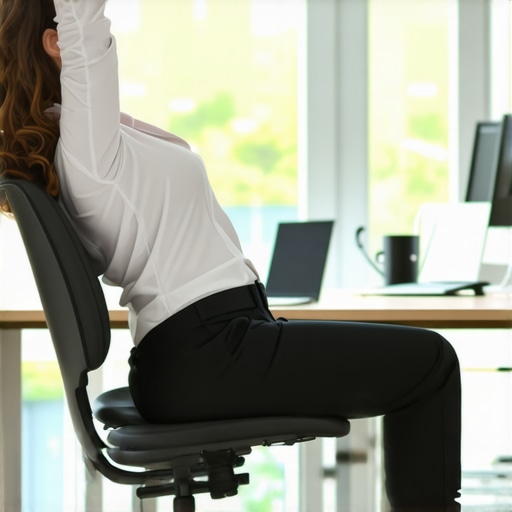
It was a typical Tuesday afternoon when I realized my hips were screaming at me during my daily stretch. The dull ache had become a constant companion, and I knew I couldn’t ignore it anymore. For years, I thought sitting all day was just part of the job, but suddenly, the pain felt different—more persistent, more stubborn. That lightbulb moment made me question everything I believed about my workspace habits, and I bet you can relate.
Breaking Free from the Desk Trap
If you’re like me, you’ve probably shrugged off that nagging discomfort, convincing yourself it’s just part of aging or stress. But what if it’s not? What if the way we work—dhunched over screens and neglecting movement—actually sabotages our hips and overall mobility? The good news is, you don’t have to accept this as your new normal. Together, we’ll explore proven strategies to restore your hip health and reclaim your vitality.
Is Your Work Routine Actually Damaging Your Hips? The Skeptic’s Concern
I used to think, “Surely, sitting can’t be that bad,” until I made a crucial mistake: neglecting proper posture and movement breaks. Early on, I believed my ergonomic chair would solve everything—but I was wrong. The truth is, even with fancy equipment, without active habits, our bodies suffer. According to a recent study, prolonged sitting can increase the risk of hip deterioration and lower back issues by up to 54% (source: [Body Renew Therapy](https://bodyrenewtherapy.com/overcoming-sciatica-top-lifestyle-changes-for-better-quality-of-life)). Recognizing these mistakes was the first step toward change.
Now, I want to help you avoid the pitfalls I fell into. In the next sections, we’ll dive into practical, simple changes you can implement today. Trust me—your hips, back, and future self will thank you for it. Ready to make a shift? Let’s start with the foundational principles of movement and posture that can make all the difference.
Incorporate Movement Breaks Throughout Your Day
One effective way to combat hip and back tension caused by prolonged sitting is to schedule short movement breaks every 30 minutes. Set a timer and stand up, stretch, or walk around for 1-2 minutes. I recall a day when I forgot to do this, and by the afternoon, my hips felt stiff and achy—doing quick breaks afterward alleviated much of that discomfort. These micro-movements act like oil on rusty hinges, keeping your joints fluid and preventing stiffness. For ideas on simple exercises, check out these mobility exercises.
Perfect Your Posture for Friendly Hip Engagement
Maintaining proper sitting posture reduces undue strain on your hips and lumbar spine. Sit with your feet flat on the floor, knees at a 90-degree angle, and hips pushed all the way back into the chair. Imagine your pelvis as a bowl that you don’t want to tip forward; this keeps your lumbar curve natural. I remember adjusting my chair height so that my hips were slightly higher than my knees—this change instantly lessened hip discomfort and reinforced good alignment. To reinforce your habits, consider ergonomic adjustments or consult a professional assessment.
Strengthen Your Core to Support Your Hip Health
A strong core acts like a sturdy foundation for your entire body, especially your hips. Incorporate exercises like planks or the dead bug (see dead bug technique) into your routine. I started with 10-second holds and gradually increased, noticing my hips felt more stable, and pain diminished. Think of your core as a natural brace—when it’s weak, other muscles compensate improperly, causing strain. Regular core strengthening can prevent future pain and improve mobility.
Stretch and Mobilize to Loosen Up Your Hips
Target tight hip flexors and piriformis muscles with specific stretches. For example, the 90-90 hip drill (see this exercise) helps release tension and restore range of motion. I added it to my daily routine, and within a week, my hips moved more freely, making sitting and standing much easier. Use gentle, controlled movements and breathe deeply to enhance effectiveness.
Adjust Your Environment to Promote Better Posture
Your workspace setup plays a crucial role. Make sure your monitor is eye level, your chair supports your lower back, and your hips are not compressed against the edge of the chair. I found that elevating my monitor with a stand reduced neck tilt, indirectly relieving hip tension caused by compensatory postures. For ergonomic fine-tuning, review these tips. Small adjustments often lead to big relief over time.
Stay Consistent and Track Your Progress
Implementing these practices consistently is key. Keep a journal or use reminders to ensure you stick to movement schedules and posture checks. Over time, you’ll notice decreased pain and increased mobility. My own progress stories involve persistent effort and patience—what once felt like an insurmountable stiffness now feels manageable through these targeted actions. Consistency turns these steps into lasting habits that protect your hips and back from daily wear and tear.
When it comes to neck pain, sciatica, or back discomfort, many individuals rely on misconceptions that hinder their recovery. One common myth is that pain always indicates injury—this can lead to unnecessary fear and avoidance, which actually worsens mobility over time. In reality, pain often results from muscle imbalances or poor movement patterns that can be corrected with targeted strategies. Overlooking the role of neural sensitivity is another trap; persistent pain might not be structural at all but instead be heightened nerve sensitivity, a nuanced factor that many dismiss. Recognizing this can open doors to approaches like neural gliding exercises rather than purely focusing on strengthening or stretching.
A critical nuance often missed involves the body’s compensation patterns—people frequently assume that stiffness or discomfort stems solely from a specific joint or muscle. But in many cases, the root cause is a complex chain of adaptations, where tight hips or weak core muscles redistribute stress, leading to pain elsewhere. Addressing these issues requires a comprehensive assessment rather than isolated exercises.
Beware the ‘quick fix’ trap: it’s tempting to grab a foam roller or an ergonomic chair and hope for relief. However, without understanding the underlying movement deficiencies and neural factors, these tools only provide temporary relief and may delay real progress. For example, relying solely on stretching tight muscles without correcting the movement habits that caused the tightness can cause the problem to recur.
For those seeking a deeper understanding, research shows that integrating neuromuscular re-education and personalized movement retraining leads to more sustainable recovery. Advanced techniques like motor control exercises or functional integration can uniquely address individual patterns that contribute to pain. These methods go beyond generic advice and demand an analytical approach—something I specialize in.
Have you ever fallen into this trap of thinking your pain is just a bad posture or a minor muscle strain? Let me know in the comments. For personalized guidance that considers these advanced nuances, consider reaching out through this contact page. Remember, understanding the subtleties is the first step toward lasting relief and improved mobility.Maintaining long-term health in your back, neck, and hips requires more than just occasional stretches or exercises; it calls for reliable tools and routines that support consistent progress. One of my favorite investments is a high-quality foam roller, specifically the textured, 36-inch version. I use it daily to release my deep hip flexors and lats, preventing stiffness that can translate into sciatic discomfort over time. Unlike smooth rollers, the textured surface provides better grip, allowing targeted foam-rolling that penetrates muscle tissue more effectively. Regular use not only improves mobility but also helps prevent long-term issues connected to muscle tightness, as supported by a study published in the Journal of Bodywork and Movement Therapies.
Another essential tool I swear by is a portable resistance band set. These versatile bands can be used for strength training and mobility drills, especially for activating your glutes and core before or after work sessions. I particularly favor the heavy-duty loop bands for hip bridges and clamshells, as they add resistance that enhances muscle engagement without stressing the joints. Integrating resistance bands into your routine reinforces proper movement patterns, which can alleviate chronic strain and correct imbalances that contribute to back pain.
In addition, I recommend using a posture correction app that syncs with your smartphone. One example is Upright, which provides real-time feedback on your sitting and standing posture, encouraging mindful alignment during your busy day. These apps often use gentle vibrations or alerts when you slouch or tilt your pelvis incorrectly, helping you develop better habits that last well beyond the screen time.
Looking ahead, I predict that wearable technology integrated with AI-driven biofeedback will become even more sophisticated, offering personalized assessments and corrective strategies tailored to your unique movement patterns. Early adopters of such advanced tools are already noticing better maintenance of spinal health and reduced flare-ups of pain.
To keep your progress sustainable, start by incorporating a foam roller into your daily routine for targeted muscle release. For instance, daily 2-minute sessions on your hips and thighs can make a noticeable difference in mobility and pain prevention. Pair this with resistance band exercises to strengthen key supporting muscles, and use posture feedback tools to embed good habits into your workday.
How do I maintain improved neck and back function over time? Consistency is key. I review my mobility and posture habits every few weeks, adjusting my tools and routines as needed. For personalized, ongoing support, consider reaching out through this contact page, where advanced assessments can set you on a path toward lasting relief. Remember, investing in quality tools and developing mindful habits today sets the foundation for a pain-free future tomorrow.Throughout my journey to overcome persistent neck pain, sciatica, and mobility issues, I uncovered lessons that transformed my approach and could do the same for you. One of the toughest realizations was that quick fixes, like temporary stretches or ergonomic tweaks, only mask symptoms without addressing underlying movement patterns and neural sensitivities. It became clear that genuine progress requires patience, consistent habit-building, and a nuanced understanding of your body’s signals. Another eye-opener was realizing how deeply ingrained compensation strategies sabotage recovery — undoing this means retraining your nervous system, not just your muscles. Lastly, I learned that personalized assessments and targeted neuromuscular re-education are game-changers, providing sustainable relief rather than fleeting relief, and that’s something I now incorporate into every plan for my clients.