
How to Tell if Your Sciatica Is Actually a Muscle Knot
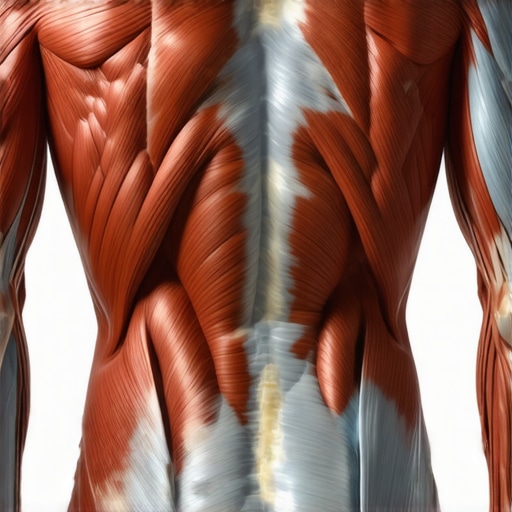
I remember the moment I first felt that sharp, shooting pain down my leg after a long day at my desk. It was the kind of discomfort that made me wonder if I had slipped a disc or just pulled a muscle. Frustratingly, I kept experiencing it, and the worry grew — was this serious sciatica, or could it just be a stubborn muscle knot? That question kept me up at night, searching online, trying to piece together what was really going on in my body.
This kind of uncertainty is incredibly common. Many people mistake muscle knots, or myofascial trigger points, for something more severe like true sciatica, leading to unnecessary anxiety and sometimes even invasive treatments. But here’s the truth: understanding the difference can be surprisingly straightforward, and it might save you from months of unnecessary worry or therapies that don’t address the real cause.
Why Differentiating Between Sciatica and Muscle Knots Matters to You
Knowing whether that pain stems from a nerve issue or a muscle knot isn’t just about satisfying curiosity. It impacts how you approach relief. Treating a muscle knot with nerve-blocking procedures won’t help—and vice versa. Plus, misconceptions can delay the recovery process, keeping you from the activities and comfort you deserve.
Early on, I made the mistake of assuming severe nerve damage was involved and rushed into costly imaging, only to find out it was a muscle knot that needed targeted relief. According to Harvard Medical School, most cases of lower back pain, including symptoms similar to sciatica, are caused by muscular tightness and trigger points rather than actual nerve impingements (source). Recognizing this distinction can empower you to choose more effective, less invasive strategies.
Are you tired of doubting whether your pain is the real deal or just a misfiring muscle? Trust me, understanding the subtle differences can make all the difference, and I’ll show you how to identify what’s really happening in your body.
Is This Technique Really Worth the Time?
I used to dismiss simple self-checks as unreliable, thinking only a doctor’s diagnosis mattered. But early on, I learned that paying close attention to the nature of my discomfort — the location, triggers, and sensations — provided clues that led me in the right direction. It’s easy to make mistakes when you rely solely on symptoms or assumptions. Misdiagnosing muscle knots as a nerve issue means wasting time and energy on the wrong treatment, which can even worsen the problem.
So, the real game-changer is learning to differentiate yourself. And that’s what I plan to help you with in the coming sections — simple, practical steps based on real experience, not just theory. Ready to get clarity on what’s really behind your pain? Let’s dive into how you can tell if it’s a muscle knot masquerading as sciatica or something more serious that needs urgent care.
Test the Location and Nature of Your Pain
Start by gently pressing around your lower back, hips, and thigh muscles. If you notice tightness or tenderness that localizes to specific muscles—like your piriformis or gluteal muscles—you may be dealing with a muscle knot. In contrast, nerve pain often radiates in a dermatomal pattern, following the path of your sciatic nerve. I once spent a morning palpating my glutes and thigh, discovering a tender, knotted spot that worsened when I sat too long. Applying gentle pressure with a tennis ball helped release the tension, which alleviated the discomfort that day.
Pay Attention to Trigger Points and Referred Pain
Muscle knots, or trigger points, tend to cause referred pain—discomfort that appears distant from the actual knot. For example, pressing on your gluteus maximus may cause pain in your thigh or lower leg, mimicking sciatica. However, true nerve pain often feels like burning, tingling, or electric shocks along the nerve’s pathway. Remember, if pressing on certain spots reproduces your pain, you might be dealing with a trigger point that’s treatable with self-release or targeted therapy. A simple technique is to test these points with a thumb or small object, noting the pain pattern.
Assess Your Response to Movement and Posture
Observe how your pain responds to specific movements. If bending forward or extending your hips worsens your discomfort, try gently shifting your position. Muscle knots may tighten or loosen with movement, often improving with gentle stretching or massage. Conversely, nerve pain like sciatica can be aggravated by prolonged sitting or certain movements that compress or irritate the nerve root. I remember noticing my pain intensified after waking and sitting too long at my desk. Changing my posture and incorporating regular movement relief—like the techniques in simple mobility exercises—made a noticeable difference.
Use a Self-Test for Nerve Sensitivity
Perform a nerve glide test by gently flexing and extending your ankle while keeping your leg straight. If this triggers radiating pain or tingling, it indicates nerve involvement. Similarly, straight leg raising (Lasegue test) — lying flat and lifting your leg with a straight knee — can reveal nerve irritation if pain occurs before reaching 45 degrees. I tried the straight leg test during a work break and was surprised that raising my leg exacerbated the pain, confirming nerve irritation rather than a simple muscle knot. Remember, if these tests intensify your symptoms, consulting a professional is advised. You can learn more about how to identify the source of sciatica.
Compare and Contrast Relief Strategies
Apply targeted relief techniques to see what works best. For muscle knots, self-myofascial release with a foam roller or tennis ball—like the methods described in foam rolling for sciatica—can help. If this relieves your discomfort and improves mobility, you’re likely dealing with muscle tension. Conversely, if narrowing your nerve pathways through gentle stretching or avoiding prolonged compression alleviates your pain—as suggested in home remedies for sciatica—it points toward nerve irritation. I experimented by applying a light piriformis stretch, which eased my symptoms, confirming muscle involvement.
Leverage Symptom Patterns and Triggers
Track when your pain worsens or improves. Muscle knots often flare after activities like lifting, prolonged sitting, or falling asleep in poor posture. Nerve irritation, however, may worsen with actions that compress the nerve—such as sitting on a hard surface or crossing your legs. Noticing that sitting for hours without moving triggers a sharp jolt in your leg suggests nerve compression. On the other hand, persistent tender spots that respond to pressure point release indicate muscular causes. By keeping a pain diary, you can identify consistent triggers—making treatment more precise.
Consult a Professional When in Doubt
If self-assessment leaves you uncertain—especially if pain persists or worsens—reach out for expert help. A trained therapist or clinician can perform accurate diagnostic tests, such as neurodynamic assessments, to pinpoint the cause. Remember, timely professional intervention can prevent chronic issues. If you’re ready to explore tailored solutions, contact us for a personalized assessment. Recognizing these signs early ensures you focus on effective relief strategies, saving time and reducing frustration.Many individuals assume that all neck, back, and sciatica pain stems from straightforward issues like poor posture or muscle strain. However, a common misconception is that these pains should improve with generic stretching or foam rolling — but in reality, the root cause can be much more nuanced. For example, persistent symptoms may actually be signs of subtle nerve involvement or hidden joint dysfunctions that aren’t immediately apparent. Experts, such as Dr. Stuart McGill, emphasize that ignoring these deep-seated issues can lead to chronic problems if not properly evaluated and addressed (source).
Maintaining long-term relief from neck, back pain, or sciatic issues requires more than just temporary fixes; it involves consistent care and the right tools. Over the years, I’ve curated a selection of equipment and techniques that have proven effective in my personal and professional routine. integrating these into your daily habits can significantly improve your mobility and prevent setbacks.
One staple for me is the foam roller. Not just any foam roller—I’ve found that a dense, high-quality one like the hard-structure foam roller allows for deeper fascial release without excessive softening. I use it to target trigger points in my glutes, hamstrings, and lower back, which helps maintain elasticity and reduces muscle knots that often exacerbate nerve irritation. The trick is in the technique: gentle, controlled rolling for no more than 2 minutes per area daily sustains muscle health without risking overstimulation.
Complementing foam rolling, I depend on the percussive massage gun. Devices like the Theragun or Hypervolt deliver rapid, targeted pulses that help relax tight muscles and improve circulation. I personally favor the percussive therapy because it reduces soreness following deep tissue work and helps me return to daily activities faster.
Another tool often overlooked is ergonomic accessories, specifically adjustable lumbar supports. During long work hours, I switch between different positions using adjustable desks and lumbar pillows that conform to my spine’s natural curve. This ensures I don’t revert to poor postures that cause muscular imbalances, especially when combined with mobility exercises. For ongoing treatment, I regularly review my ergonomic setup by consulting resources like ergonomic tips to adapt my workspace and keep my spine in optimal alignment.
How do I maintain my mobility tools over time?
Equipment like foam rollers or massage guns need regular maintenance. For foam rollers, I clean them with disinfectant spray monthly to prevent bacteria buildup, especially since I use them frequently. Battery-powered massage devices require periodic charging and occasional replacement of batteries or batteries packs, which I track using reminders. Regularly inspecting and maintaining your tools ensures they perform effectively and last longer, saving you money and inconvenience in the long run.
Looking ahead, the trend is heading toward smarter tech with integrated sensors that provide real-time feedback on muscle tension and posture. Innovations like app-connected devices could become standard, enabling personalized protocols based on your specific needs. Staying updated on these advancements can keep your approach to neck and back health cutting-edge.
For those ready to take control, I recommend trying the quick self-release technique using a tennis ball combined with regular use of a foam roller for major muscle groups. This duo can significantly reduce trigger points and improve your overall mobility, acting as a proactive step in your maintenance routine.
What tools have made the biggest difference in my journey
By integrating high-quality foam rollers, percussive therapy tools, and ergonomic adjustments into my daily routine, I’ve maintained better mobility and avoided setbacks. Remember, consistency is key. Schedule regular check-ins with your equipment and stay informed about new technological innovations that could further optimize your spine and nerve health. If you’re unsure about where to start, reach out for personalized guidance tailored to your unique needs. Making these tools a regular part of your routine can help keep you functioning at your best, long-term.
Lessons That Changed My Approach to Neck and Back Pain
- Sometimes, the biggest breakthroughs come from realizing what NOT to focus on. I once chased countless stretches and exercises only to find that my pain was more about nerve health than flexibility. Listening carefully to my body’s subtle signals revealed the real culprit, leading me to targeted relief instead of endless trial and error.
- Ignoring the subtle differences between muscle knots and nerve pain prolonged my discomfort unnecessarily. It took patience and curiosity to discern these signs, but this clarity empowered me to choose the right treatment at the right time, saving me months of frustration.
- Consistency outshines intensity. Regularly using simple tools like foam rollers and practicing mindful movement created lasting improvements. Over time, I learned that small, daily habits accumulate into significant relief, making a real difference in long-term health.
- Professional help is a game-changer when self-assessment hits its limits. Recognizing when to seek expert evaluation prevented my condition from worsening and personalized my recovery journey, illustrating the importance of knowing your boundaries.
- Advanced tools and ergonomic adjustments aren’t just luxury—they’re essentials for maintaining mobility. Investing in quality equipment and a posture-friendly environment transformed my daily experience, proving that smart choices today prevent pain tomorrow.
Tools and Resources That Elevate Your Recovery Game
- Foam rollers – I rely on dense, high-quality foam rollers for deep fascial release. Their durability and effectiveness in releasing trigger points make them indispensable for ongoing mobility maintenance, which you can explore in foam rolling techniques.
- Percussive massage guns – Devices like the Hypervolt or Theragun help me relax tense muscles quickly. Their targeted pulses improve circulation and reduce soreness, strengthening my body’s resilience against recurring pain. I recommend trying percussive therapy tips for effective relief.
- Ergonomic accessories – Adjustable lumbar supports and ergonomic workstations have profoundly helped me maintain proper posture, especially during long hours. These tweaks are simple but impactful, and you can find more ergonomic strategies here.
- Educational guides – Books and expert blogs that demystify spinal health and nerve care provided me with actionable insights. I suggest exploring reputable resources like these comprehensive guides.
Find Your Strength and Take Charge of Your Healing
Embarking on a journey to master your neck and back health is empowering. Remember, small consistent steps—like mastering correct posture, leveraging effective tools, and listening closely to your body—can create profound, lasting change. Your body is your most valuable asset; treat it with curiosity and patience, and it will reward you with resilience and comfort.
Are you ready to implement these insights and reclaim your mobility? Share your experiences or ask questions below—your journey starts now, and every step forward is a victory.