
How to tell if your sciatica is coming from your back or hip
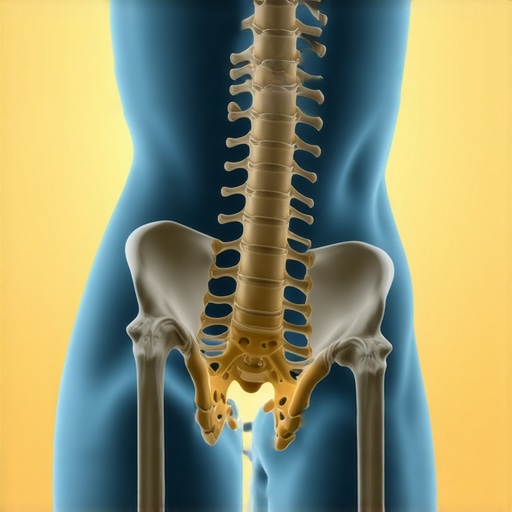
It’s a chilly morning, and I’m hobbling to grab my coffee. That sudden, sharp pain shooting down my leg? Yep, I’ve been there. One minute, I’m feeling perfectly fine, and the next, I’m battling that electrifying sensation that makes me afraid to move. It hits hard, catches me off guard, and I realize—this isn’t just ordinary aches and pains. It’s something more perplexing, more frustrating. If you’ve ever experienced that stabbing pain down your leg, you know what I mean. The tricky part? Figuring out whether it’s your back or your hip that’s the real culprit.
Why Identifying the Source of Your Sciatica Actually Matters
Knowing whether your sciatic nerve pain originates from your back or hip isn’t just a matter of curiosity; it’s crucial for effective treatment. When I first started dealing with these symptoms, I made a classic mistake—I thought it was all back pain and kept doing the same stretches and exercises. Spoiler: that only made things worse. Early on, I learned that misdiagnosing the source meant wasting time on remedies that didn’t work and prolonging my discomfort.
According to experts, accurately pinpointing the origin helps tailor your approach, whether it’s targeted stretches, lifestyle adjustments, or professional therapies. Without this clarity, you risk exacerbating the problem or injuring yourself further. For me, once I understood whether my pain stemmed from my lumbar region or my hip joint, my recovery accelerated significantly. That’s why today, I promise to guide you through a simple, proven way to distinguish between the two.
If you’re tired of the endless guessing game and itching for clarity, stay with me. We’ll explore practical signs, common mistakes, and resources that can make all the difference. Curious if you’ve been misdiagnosing your discomfort? Let’s find out together.
Is Your Pain Really Sciatica, or Could It Be Something More Serious?
One pitfall I fell into early was dismissing serious symptoms as typical sciatica. I brushed off persistent numbness and worsening weakness, thinking it was just another flare-up. It wasn’t until I read a study highlighting the importance of recognizing red flags that I realized I had overlooked critical signs—something I now want to ensure you don’t miss. Learn more about key symptoms to watch for by visiting [this trusted resource](https://bodyrenewtherapy.com/is-your-back-pain-a-sign-of-something-more-serious-key-symptoms-to-watch).
Understanding the roots of your pain can be daunting, but with a few simple checks, you can gain much-needed clarity. And once you do, you’re well on your way to relief. Ready to get specific about your pain? Let’s dive into how to tell if your sciatica comes from your back or your hip.
Decipher Your Pain with Simple Checks
Recall the last time you felt that electric shock down your leg. Was it worse when you bent forward or when you sat down? To start, perform basic movements and note which aggravates your pain. For example, stand straight and lift your leg slowly; if the pain intensifies when lifting the leg on one side, it hints toward hip involvement. Conversely, if bending your lower back triggers the pain, your back may be the culprit. An effective analogy is thinking of your spine and hips as two interconnected pipes—if one is clogged, water (or pain) backs up differently depending on where the blockage is.
Perform Targeted Movements to Isolate the Issue
Using gentle stretches can help differentiate the source. Try the cross-legged stretch: sit with one leg crossed over the other and lean forward. If this stretch worsens your pain, especially in the buttocks or side of the hip, it likely points to a hip problem. Alternatively, lie flat and gently lift your legs, keeping knees straight. Pain during this movement suggests lumbar spine issues. I remember attempting these stretches after my last flare-up; initially, it was messy—some movements worsened my discomfort, but with patience, I learned to identify my triggers better than before. Tip: Make sure to perform these movements slowly and within your comfort zone to avoid exacerbating symptoms.
Although self-assessment is helpful, consulting a professional ensures accuracy
While these checks provide valuable clues, they’re not a substitute for expert diagnosis. Visiting a specialist can confirm whether your sciatica originates from your back or hip. They may recommend specific tests like nerve conduction studies or imaging, which are much more precise. Knowing the exact source allows you to tailor your approach; for instance, targeting the right muscles, adjusting your daily habits, or modifying your exercise routine. For practical tips, explore how lifestyle changes can help improve your quality of life.
Monitor Red Flags
Identify persistent or worsening symptoms such as numbness, weakness, or loss of bladder control. These signs could indicate more serious issues requiring urgent medical attention. I recall ignoring mild numbness early on, thinking it would pass. It didn’t, which delayed proper treatment. Always err on the side of caution and seek professional advice if you notice these red flags. Remember, correct diagnosis is half the battle won in managing sciatica effectively.
When it comes to managing sciatica and back pain, many believe they already know the basics, leading to common misconceptions that impede true recovery. One widespread myth is that all back pain stems from the spine itself, neglecting the intricate role of surrounding muscles, fascia, and even postural habits. For example, persistent poor posture can cause muscular imbalances that perpetuate pain, yet many focus solely on spinal issues instead of addressing these hidden contributors.
Another misconception is that stretching always alleviates pain. While gentle mobility exercises are beneficial, overzealous or improper stretching—like aggressive hamstring stretches—can actually worsen sciatic nerve irritation. Studies, such as the one published in the Journal of Orthopaedic & Sports Physical Therapy, highlight that incorrect stretching techniques may increase nerve tension, prolonging discomfort.
The ‘quick fix’ mentality, favoring immediate relief through medications or passive treatments, often leads to neglecting lifestyle factors. In reality, incorporating consistent movement and ergonomic adjustments, as discussed in our article on posture and chronic pain, yields better long-term results.
A critical nuance many overlook is the importance of differentiating between nerve issues and muscular or joint pain. For instance, shooting pain that worsens with certain movements might be mistaken for muscular strain, but could involve nerve entrapment requiring targeted interventions. This distinction is vital because treatment approaches differ significantly.
From my experience, a common trap is underestimating the role of core stability in back health. Many focus solely on spinal exercises, but neglecting the deep abdominal and pelvic muscles may leave underlying vulnerabilities unaddressed, leading to recurrent episodes. To build a resilient back, integrating core strengthening routines is essential—more details are available in our guide to a protective core.
Furthermore, many assume that mobility is only about flexibility. In truth, mobility also involves proprioception and joint control. Neglecting joint stability can hinder movement quality and cause compensations that exacerbate pain—something I’ve seen firsthand in patients who only focus on stretching without proper strengthening.
In sum, the landscape of back and sciatic pain is far more nuanced than the simplistic stories we often hear. Challenging these myths and understanding the complex interplay of muscles, nerves, and habits is key to lasting relief. Ready to correct your course? Explore our insights on managing back pain effectively, and don’t miss the detailed strategies on lifestyle changes that promote healing. Have you ever fallen into this trap? Let me know in the comments.Maintaining long-term back health and mobility requires more than just occasional stretches; it involves consistent use of targeted tools and adopting practices that support your spine daily. Personally, I’ve found that investing in quality equipment and routines makes a substantial difference in preventing setbacks and ensuring my back stays strong over time. One of my go-to tools is a high-density foam roller. Unlike cheaper options, a dense foam roller provides the necessary firmness to effectively release muscle tightness without losing shape, giving me control over areas like my lumbar region and hips. I use it routinely, especially after sitting for extended periods or strenuous activities, to alleviate tension and promote circulation.
Beyond foam rollers, I recommend incorporating a proprioceptive exercise ball into your routine. An exercise ball encourages core engagement and improves balance, which are crucial for maintaining spinal stability. I personally use mine during simple routines from [Mobility Mastery](https://bodyrenewtherapy.com/mobility-mastery-daily-tips-to-keep-your-spine-and-joints-healthy), and I’ve noticed a significant reduction in niggling discomforts. For digital support, I rely on ergonomic software, such as adjustable desk reminders and posture monitor apps, to counteract the common pitfalls of prolonged sitting. These tools serve as gentle nudges to correct posture before discomfort sets in, aligning with the latest research on posture’s role in back pain management.
For ongoing results, I emphasize a structured mobility routine, such as the one highlighted in [Boost Your Back Mobility](https://bodyrenewtherapy.com/boost-your-back-mobility-simple-exercises-that-make-a-difference). This routine incorporates specific exercises targeting hip flexors, hamstrings, and lower-back muscles—areas often neglected but vital for long-term health. Integrating these with regular use of my tools creates a synergistic effect that keeps my back resilient. Looking ahead, I believe technology will further personalize these interventions through AI-driven posture tracking and biofeedback devices, making preventive care more accessible and effective.
How do I maintain my back over time? I stick to routine small interventions—like daily foam rolling, using adjustable ergonomic setups, and proactive mobility exercises—that reinforce my spine’s strength and flexibility consistently. These habits, combined with leveraging reliable tools, minimize the chances of flare-ups and keep moving pain-free. For anyone serious about long-term relief, I suggest trying advanced techniques like targeted self-myofascial release with a dense foam roller, coupled with ergonomic software that adjusts to your daily workflow. Consistency is key, and these tools empower you to take proactive control of your back health.
My Hardest Lesson About Explaining Sciatica
Once I thought I had a simple grasp of sciatic pain, but realizing how intertwined muscular habits and posture are was a game-changer. I learned that rushing into quick fixes without understanding the root causes often leads to recurring pain. The lightbulb moment? That mastery comes from patience, consistent effort, and embracing a full picture view, including emotional stress and lifestyle choices.
Blind Spots That Held Me Back in Healing
One critical insight was recognizing how neglecting core stability made only temporary improvements possible. I used to focus on stretching, ignoring strengthening the deep abdominal muscles needed for genuine support. It took honest self-assessment and guidance from trusted sources, like our [mobility mastery tips](https://bodyrenewtherapy.com/mobility-mastery-daily-tips-to-keep-your-spine-and-joints-healthy), to change my approach and sustain relief.
What I Wish I Could Tell My Past Self About Back Pain
Stop thinking pain is purely structural—it’s also about habits, mindsets, and daily routines. Incorporating ergonomic adjustments and mindful movement routines, similar to our guides on [posture and chronic back pain](https://bodyrenewtherapy.com/understanding-the-link-between-poor-posture-and-chronic-back-pain), can be transformative. And remember, consistency beats intensity; small daily actions compound into long-term strength and resilience.
My Essential Tools for Lasting Back Mobility
Over the years, I’ve come to rely on a few trusted aids: a high-density foam roller for muscle release, an ergonomic posture monitor app for reminders, and a simple yet effective mobility routine outlined in [this simple back mobility exercise](https://bodyrenewtherapy.com/boost-your-back-mobility-simple-exercises-that-make-a-difference). These tools empower me daily, helping prevent setbacks and keep my back healthy.
Believe in Your Power to Change the Course of Your Back Health
If there’s one thing I want you to remember, it’s that managing sciatica or back pain isn’t about quick fixes—it’s about commitment, understanding, and patience. You have the ability to rewrite your story, using the personalized strategies and insights we’ve shared. Every small step toward better habits and awareness adds up to a life with less pain and more mobility. So, are you ready to take charge of your back health today? Share your experiences below or ask questions—your journey starts now.