
How to Tell if Your Sciatica Is Coming from Your Back or Your Hips
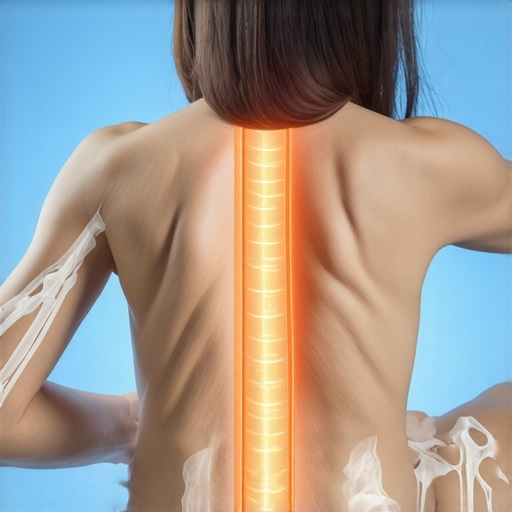
I remember the moment clearly—trying to stand up from my favorite armchair, only to be halted by a sharp, shooting pain that seemed to zigzag down my leg. It was as if a tiny lightning bolt had struck my lower back, leaving me doubled over and frustrated. For weeks, I swung between thinking it was just a pulled muscle or a pinched nerve, but nothing seemed to improve. That lightbulb moment hit me when I realized I couldn’t just treat the pain without understanding where it was really coming from.
Many people suffer from sciatica, but the tricky part is figuring out whether it originates in your back or your hips. This distinction is crucial because the solutions vary significantly. If you’re like I was, you might have assumed it’s all back-related or hip-related, leading to ineffective treatments and unnecessary frustration. The good news is, with a bit of awareness and the right approach, you can pinpoint the source and take targeted steps towards relief.
In this post, I promise to guide you through the essential signs that differentiate back-originating sciatica from hip-related issues. Understanding this difference can save you time, money, and a lot of sleepless nights. Are you tired of the constant guessing game and ready to find clarity? Let’s explore how to tell where your sciatic pain really comes from.
Key Clues to Identify Your Sciatica Source
Why You Should Don’t Rely Solely on Pain Location
One common mistake I made early on was believing that the location of pain alone was enough to identify its source. I thought that if the pain radiated down my leg, it had to be back-related. But as I learned, the distribution of pain can often be misleading. Instead, paying attention to specific movement triggers and pain patterns can provide more accurate clues. For example, pain that worsens when you bend forward might suggest spinal issues, while pain during hip rotations could point towards hip joint problems.
Understanding these subtle differences matters. Research indicates that symptoms can overlap, but paid attention to detail can distinguish between the two. Recognizing these signs is the first step toward effective management. If you’ve faced this confusing puzzle, you’re not alone—and knowing where the pain originates can make all the difference.
Ready to stop guessing and start understanding? The next sections will walk you through practical ways to determine whether your sciatic nerve pain is coming from your back or your hips, along with proven strategies to find relief. To get started, consider if you’ve noticed specific movements that trigger or alleviate your pain—keeping track can be enlightening. If you’re eager to dive deeper into techniques for managing your pain, check out my recommended approaches on [overcoming sciatica and lifestyle changes](https://bodyrenewtherapy.com/overcoming-sciatica-top-lifestyle-changes-for-better-quality-of-life).
Check Your Movement Triggers for Clues
Start by observing which movements worsen your pain. Recall a day I spent hours sitting at my desk, then tried to stand up and felt a sharp jolt down my leg. That experience was a crucial hint. If bending forward or twisting your torso intensifies the pain, your sciatic nerve may be irritated within your spinal column. Conversely, if rotating your hip or crossing your legs triggers discomfort, hip joint issues could be the culprit. To identify this pattern, keep a pain journal, noting activities and their effects. This simple log offers clarity that raw pain descriptions often lack.
Perform Targeted Mobility Tests
Next, execute specific movements designed as diagnostic checks. Lie on your back, then gently raise each leg to about 30 degrees—keeping your knee straight. If raising your leg causes pain or tightness, consider the straight leg raise test, a strong indicator of sciatic nerve irritation. Alternatively, try internal and external hip rotation exercises; pain during these suggests hip-origin issues. I vividly remember trying these when my symptoms flared up. Carefully doing these tests revealed that my pain was more hip-related, leading me to focus on hip mobility. These simple, low-impact tests can be performed at home and guide your next steps.
Assess Pain During Posture Changes
Pay attention to how your posture influences your discomfort. Sit upright with your feet flat on the ground and notice if slouching or reclining eases or worsens your pain. For me, sitting leaned back relieved some pressure, hinting at a disc issue in my back. Standing with weight shifted forward or backward can also provide clues. If leaning forward eases pain while standing or walking, spinal problems may be involved. Try these modifications one at a time, and record which positions provide relief. This approach helps distinguish back from hip pain by observing how different postures affect your symptoms.
Experiment with Low-Angle Movements
Incorporate movements that target specific areas. For example, hip stretches and pelvic tilts can reveal whether hip mechanics are at fault. If these movements increase your suffering, focus on hip mobility exercises. Conversely, if only certain spinal movements trigger pain, consider spinal issues. I once spent a day trying different stretches, and when I stumbled upon a gentle pelvic tilt that eased my leg pain, I realized my hips and pelvis were tight, affecting my back health. These experiments can be your internal GPS, guiding you toward effective treatment paths.
Use Symptom Tracking for Precision
Compile your observations into a structured symptom map. Note down when your pain is at its worst, what activity preceded it, and which postures offer relief. Over time, patterns emerge, illustrating whether your pain originates from your back or hips. This precise tracking sharpens your understanding and can be a valuable resource when consulting a healthcare professional. Remember, this process isn’t about diagnosing but about gathering meaningful clues. As I learned, this clarity led me to targeted physical therapy and lifestyle adjustments, reducing my pain drastically.
Many assume that stretching or strengthening exercises will automatically fix their back pain or sciatica, but the truth is far more complex. A common myth is that all sciatic pain originates solely from the lower back, leading many to focus only on lumbar issues. However, research shows that pelvic and hip mechanics often play a critical role, sometimes even more than spinal structures. For instance, improper hip mobility can cause compensatory movements in the lower back, exacerbating pain and creating a cycle that’s hard to break. This means that addressing only back muscles without considering hip and pelvic alignment may lead to limited or temporary relief.
Why Does the Knee-Jerk Approach Fail to Fix Chronic Pain?
Many practitioners and patients fall into the trap of oversimplification—believing that pain is purely a local muscle tightness or nerve irritation. This narrow view ignores the interconnectedness of the body’s movement patterns. For example, a tight hamstring isn’t always the culprit; sometimes, it’s a compensatory response to unresolved issues higher up in the kinetic chain, like poor pelvic positioning or ankle stability. A 2017 study in the Journal of Bodywork and Movement Therapies emphasizes that integrated assessments of the entire limb and core stability are essential for effective treatment. Overlooking these nuances can result in ongoing frustration and worsening conditions despite regular stretching or mobilization routines. Therefore, a comprehensive mobility strategy that considers the entire lower extremity, pelvis, and lumbar spine yields better long-term results. If you’re struggling to break out of pain cycles, check out my post on [overcoming sciatica through lifestyle changes](https://bodyrenewtherapy.com/overcoming-sciatica-top-lifestyle-changes-for-better-quality-of-life), which emphasizes an integrated approach.
Is Your Pain a Sign of Something More Serious?
One advanced mistake many make is dismissing persistent pain as benign, especially when common remedies don’t work. Chronic back or sciatic pain can sometimes be early signs of underlying conditions like herniated discs, spinal stenosis, or other structural issues requiring professional intervention. Ignoring warning signs or self-treating with only painkillers delays diagnosis and can worsen the prognosis. That’s why it’s crucial to seek comprehensive assessments if your symptoms last beyond a few weeks. For more guidance on distinguishing common aches from signs of serious issues, visit [key symptoms to watch](https://bodyrenewtherapy.com/is-your-back-pain-a-sign-of-something-more-serious-key-symptoms-to-watch). Remember, understanding these nuances and avoiding common pitfalls sets the foundation for effective recovery and healthier mobility in the long run. Want to deepen your knowledge? Explore my guides on [managing back pain with expert tips](https://bodyrenewtherapy.com/unlocking-mobility-expert-tips-on-managing-back-pain-in-2025). Have you ever fallen into this trap? Let me know in the comments.Maintaining mobility and managing pain is an ongoing journey that benefits greatly from the right tools and routines. Over time, I’ve identified specific equipment, software, and methodologies that truly make a difference in preserving spinal health and preventing setbacks. One of my favorite investments has been a high-quality foam roller. I personally use the TriggerPoint GRID Foam Roller because its durability and textured surface allow for targeted myofascial release on tight muscles like the piriformis, which can aggravate sciatica. Regular self-massage with this roller has helped me avoid the trap of chronic muscle tightness that often leads to nerve irritation.
Beyond physical tools, I rely heavily on mobility tracking apps like [MobilityWOD](https://bodyrenewtherapy.com/mobility-mastery-daily-tips-to-keep-your-spine-and-joints-healthy) to monitor daily movements and ensure I stay within safe ranges. These apps offer guided routines and progress tracking, which motivate consistency and allow me to identify patterns before discomfort worsens. Predicting and preventing flare-ups is where technology shines; I anticipate future advancements will incorporate AI-driven assessments that customize exercise protocols based on sensor feedback.
For stretching, I recommend the Yoga Tune Up therapy balls. I prefer the smaller size because they fit easily into my pocket and make quick, effective massage multiple times throughout the day. These are particularly useful for releasing the tense muscles around the hips and lower back, which often contribute to nerve compression.
How do I maintain my back and nerve health over time? Incorporating a consistent routine of mobility exercises, complemented by the right equipment, is key. I also schedule periodic check-ins with a professional, which you can book through [our contact page](https://bodyrenewtherapy.com/contact-us-2). Staying proactive with these tools not only alleviates pain but also keeps movement fluid and pain-free in the long run.
Looking ahead, I believe the trend will shift towards smarter, sensor-based devices that adapt in real-time to your body’s signals, offering personalized recommendations. The integration of biofeedback in wearable tech is already gaining momentum and will likely revolutionize how we manage mobility and pain long-term.
For instance, I personally use a pelvic brace from Kneeknicker, which corrects my posture during prolonged sitting, preventing recurring issues. It’s a simple yet effective device that reinforces proper alignment throughout the day.
If you’re serious about long-term back health, I recommend trying a targeted tool like the TriggerPoint GRID Foam Roller combined with mobility apps. These provide tangible support and data-driven insights to sustain your progress. Don’t forget, consistent use is vital—consider setting a daily reminder to incorporate these tools into your routine.
Feel free to explore more about lifestyle strategies on [overcoming sciatica](https://bodyrenewtherapy.com/overcoming-sciatica-top-lifestyle-changes-for-better-quality-of-life), and reach out through our [contact page](https://bodyrenewtherapy.com/contact-us-2) if you’d like personalized recommendations. Keep moving forward—your body will thank you!
Lessons That Changed My Approach to Sciatica and Mobility
One of the most eye-opening lessons I learned was that pain is often a symptom of deeper, interconnected issues rather than isolated muscle tightness or nerve irritation. The moment I realized that the root cause might be hip misalignment or poor pelvic stability transformed my treatment strategy. Additionally, I discovered that patience and consistency surpass quick fixes—consistent mobility routines and mindful movement habits gradually built my resilience. Lastly, embracing a holistic view—considering posture, daily habits, and movement patterns—was essential for true, long-term relief instead of temporary relief from isolated exercises.
My Essential Tools for Lasting Back and Sciatic Relief
Over the years, I’ve curated a set of trusted tools that support my journey to mobility and pain management. The TriggerPoint GRID Foam Roller became my go-to for releasing tight muscles like the piriformis, which often aggravates sciatica. I also rely on mobility tracking apps such as MobilityWOD to monitor progress and maintain consistency. Incorporating Yoga Tune Up therapy balls helped me target stubborn areas around hips and lower back. Each of these has empowered me to maintain movement, identify emerging issues early, and adapt my routines effectively—making real progress sustainable.
Your next step could change everything
Dealing with sciatic pain and mobility challenges requires more than just temporary fixes; it demands a mindset geared toward learning and proactive care. I encourage you to listen deeply to your body’s signals—note which activities trigger discomfort, experiment with specific movements, and track your symptoms. This mindful approach paves the way for personalized strategies that truly work. Remember, lasting relief isn’t just about stretching or strengthening—it’s about understanding the unique story your body tells. If you’re ready to take control of your mobility and overcome sciatica, explore practical lifestyle changes on our guide and start empowering your body today. What daily habit do you think might be holding back your recovery? Share below—I’d love to hear your insights.