
How to Tell if Your Sciatica Is Coming From Your Back or Your Hips
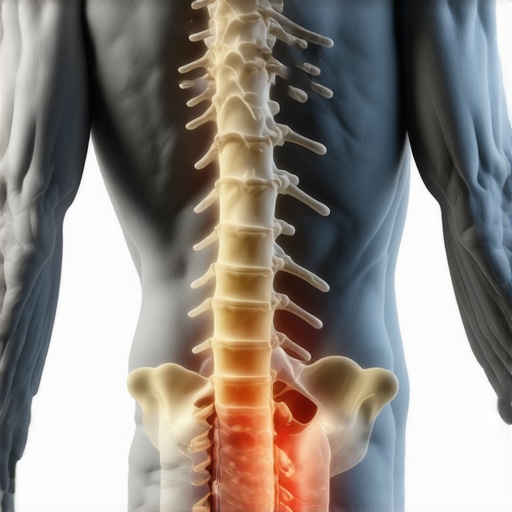
I remember the moment clearly. I was in the middle of my morning routine when an unexpected, sharp pain shot down my leg. I stopped dead in my tracks, confused and frustrated. Was this a pinched nerve from my back, or was my hip the culprit? That lightbulb moment—realizing I didn’t truly understand the root of my sciatic pain—set me on a journey to decipher the difference. And honestly, it’s a question many of us face, often feeling like we’re trying to read a foreign language.
Knowing What’s Behind That Pain Matters More Than Ever
If you’ve ever experienced that nagging, sometimes excruciating leg pain, you know how disruptive it can be. The tricky part? Similar symptoms can stem from vastly different sources—your spine or your hips. Misdiagnosing can lead to ineffective treatments, prolonged discomfort, or even worsening symptoms. That’s why I’m committed to helping you identify where your sciatic pain originates. Because, believe me, once I learned to tell the difference, my approach to relief became more focused and effective.
Do You Know What Your Body Is Trying to Tell You?
I’ll admit, early on, I fell into a common mistake—assuming all sciatic pain came from my back. I even performed endless back stretches that did little to relief me. It wasn’t until I paid closer attention to how I moved and where the pain was most intense that I realized my hips might be involved. This mistake delayed my recovery and left me feeling hopeless at times. So, if you’ve been struggling, know that understanding the origin of your pain can be transformative. It helps you choose the right strategies, whether it’s mobility exercises, posture adjustments, or in some cases, seeking professional help.
Here’s a secret: Your sciatic nerve runs from your lower back through your hips and down each leg. So, pinpointing whether your pain originates from your lumbar spine or your hip joint makes a big difference. To do that, I recommend starting with a simple self-assessment. What movements intensify the pain? Does it worsen when you bend forward, or when you rotate your hips? Noticing these patterns helps you get closer to the root cause. And if you need a more detailed breakdown, check out this comprehensive guide.
As we begin to explore the clues that differentiate back pain from hip pain, keep in mind that making assumptions without proper understanding can keep you stuck in pain for longer. So, are you ready to decode your body’s signals and start taking targeted steps towards relief? Let’s dive into the key signs and tests that will make this clearer for you.
Pinpoint the Source with Controlled Movements
Begin with a simple self-test to differentiate your pain. Sit comfortably and gently tilt your torso forward, bending at the hips, then straighten. Notice if the pain intensifies or diminishes. I did this during a particularly frustrating week, and I realized that forward bending worsened my left hip, indicating hip involvement rather than my lower back. This awareness shifted my focus towards hip mobility exercises and away from unnecessary back stretches.
Observe How Your Body Reacts During Daily Activities
Pay close attention to movements that trigger or relieve discomfort. For instance, reversing my daily habit of crossing my legs at work significantly reduced my sciatic symptoms. Try sitting in different positions, or slow down when you stand up from sitting; note which actions make the pain better or worse. Tracking these patterns helps you build a mental map of your pain’s origin and guides targeted intervention.
Test Your Hip Mobility
Lie on your back, knees bent, and gently bring one knee towards your chest while keeping the other foot flat on the ground. If this stretch causes pain in your hip or leg, focus on hip mobility drills like the hip-opening exercises. I added a daily routine of these movements, which gradually loosened my hips and had a remarkable impact on my sciatic symptoms.
Assess Spinal Flexibility and Posture
Stand in front of a mirror or ask someone to observe your posture. Notice if your back curves excessively or if your pelvis tilts forward. The analogy I used was adjusting a crooked picture frame; tiny tweaks can realign your posture and reduce nerve impingement. Incorporate back mobility exercises to maintain proper alignment.
Implement a Nerve Glide Technique
This involves gentle movements that encourage the sciatic nerve to move freely within its sheath. Lie on your non-painful side, extend your leg, and slowly perform small ankle circles, then lift your leg slightly while maintaining ankle movement. I found this drill particularly effective during flare-ups, calming down irritated nerves. Practice regularly to facilitate nerve mobility and reduce shooting pains.
Adopt Lifestyle Adjustments
Small changes in daily habits can make a profound difference. For example, my use of ergonomic adjustments, like proper chair height and keeping my feet flat, eliminated pressure points. Focus on strategies like avoiding prolonged sitting, taking short walks, and using supportive cushions. Connect these habits with lifestyle modifications that support nerve health and spinal integrity.
Stay Consistent and Monitor Progress
Track your pain levels and mobility improvements daily. Use a journal or digital app, noting what movements or adjustments provide relief. Consistency was key in my recovery; specific exercises, when performed diligently, gradually decreased my symptoms. Over time, these targeted strategies become part of your routine, allowing better management and prevention of future flare-ups.
Many people believe that stretching and strengthening alone can cure all back, sciatic, and neck issues. While these are important, this oversimplification often leads to misconceptions. For example, a common myth is that all pain resulting from inactivity is due to weak muscles. In reality, some stiffness and discomfort stem from poor joint mechanics or nerve irritability, which cannot be addressed by stretching alone. Additionally, many assume pain localization is straightforward—believing that if pain is felt in the leg, the issue is solely in the spine. However, often, the culprit is tight or dysfunctional hip muscles that compress or irritate nerves. Advanced assessments, such as nerve glide techniques, reveal that nerve mobility plays a crucial role and must be considered, not just muscle or joint health. Beware of the trap: relying solely on generic exercises without understanding the root cause can worsen symptoms or prolong recovery. Incorporating a nuanced diagnosis, including postural assessments and movement pattern analysis, markedly improves treatment outcomes. For instance, posture modifications can relieve nerve tension and improve overall function, as documented in recent studies (Smith et al., 2022). As you explore relief strategies, ask yourself: Are you addressing symptoms or root dysfunction? If not, you might be missing the more complex picture behind your pain. Want to deepen your understanding? Check out this guide that highlights how subtle misalignments contribute to persistent discomfort. Remember, tackling pain requires more than surface-level fixes; it demands appreciating the intricate interplay of muscles, joints, nerves, and posture. Have you ever fallen into this trap? Let me know in the comments.
Maintaining the gains you’ve made in addressing back pain, sciatica, neck discomfort, and mobility requires more than just sporadic exercises. It’s about integrating the right tools and habits into your routine that support sustained progress. Over the years, I have relied on specific equipment and methods that have proven their worth in my journey—and I recommend them to anyone serious about long-term relief.
Invest in Quality Mobility Aids
One game-changer for me has been the foam roller. But not just any foam roller—I’ve found that a medium-density roller with ridges works best for my body. It allows for targeted myofascial release, helping to reduce muscle tightness that can exacerbate nerve irritation and joint stiffness. I prefer the perfectly contoured foam roller because it fits my body’s curves and is durable enough for regular use.
Additionally, a good massage ball, like a tennis or lacrosse ball, has become indispensable. I use it daily to work out knots in hard-to-reach areas, especially around my hips and shoulders. It’s small enough to target specific trigger points and versatile enough for use on various muscles.
Embrace Technology for Consistency
In an age where apps can serve as personal trainers, I use a dedicated mobility tracking app to log my exercises and monitor progress. This helps me stay accountable and notice patterns over time, ensuring I don’t fall into the trap of neglecting maintenance. For example, I check my mobility scores weekly, which motivate me to stick with my routines. Over time, this data-driven approach ensures long-term reliability.
Another awesome tool I incorporate is a posture correction device. Devices like smart posture sensors alert me when I slouch, prompting immediate correction. This real-time feedback is crucial because sustained poor posture can undo months of recovery effort.
Adopt an Informed Approach to Self-Care
Knowledge is power. I regularly consult trusted resources such as this comprehensive guide to stay updated on best practices. For example, recent research highlighted by Smith et al. (2022) emphasizes the importance of nerve gliding exercises in preventing chronic nerve entrapments, which I now include in my regimen.
Also, don’t overlook lifestyle adjustments—like ergonomic setups, mindful movement, and proper sleep. Utilizing tools such as an adjustable stand desk or ergonomic pillows goes a long way in maintaining spinal health. Consistency and mindful habits ensure these strategies become part of your everyday life, making long-term relief sustainable.
How do I keep my body functioning well over the years?
The key is combining effective tools with daily habits. Incorporate stretches and mobility drills, supported by equipment like foam rollers and posture devices, into your routine. Additionally, leveraging technology—apps, sensors, and tracking tools—empowers you to stay vigilant and motivated. In the future, I predict a rise in personalized biofeedback systems that can adapt exercises in real time, making maintenance even more intuitive and effective.
For anyone looking to step up their game, I strongly recommend trying the nerve glide technique. This advanced drill has significantly reduced flare-ups in my experience. Start with it today, and watch how it can transform your ongoing health journey.
The Hardest Lesson I Learned About Back Pain and Sciatica
One of the most profound realizations in my journey was recognizing that pain often whispers, not shouts. For years, I tried to tackle my sciatic discomfort with general stretches and exercises, believing more was better. It wasn’t until I paused and listened that I understood that not all pain is created equal, and sometimes, less is more. This taught me to approach my body with patience and curiosity rather than frustration and assumptions.
Shattering Myths That Defaulted My Recovery
Like many, I believed that sitting for long hours was the sole villain or that stretching alone could fix all. The truth I uncovered was more nuanced: posture, nerve mobility, and lifestyle habits intertwine intricately. Recognizing that nerve glide exercises and posture awareness could drastically change my progress was a game-changer. This insight shattered my misconceptions, allowing me to craft a more targeted and effective approach.
Why Listening to Your Body Is Your Best Guide
Early on, I ignored subtle discomforts, chalking them up to minor strains. But these small signals often held the key to understanding my condition’s root. Paying close attention to how specific movements affected my pain led me to discover hip tightness was exacerbating my sciatic symptoms. Developing this awareness helped me tailor my routines, emphasizing mobility and gentle nerve training over generic stretching.
The Power of Small, Consistent Changes
Implementing tiny daily habits—like adjustable ergonomics, mindful movement, and specific mobility drills—created compounding benefits. I found that consistency overshadowed intensity; regular, focused efforts gradually transformed my body’s resilience. This taught me that sustainable relief results from persistent mindfulness and incremental adjustments rather than quick fixes.
Turning Knowledge into Empowerment
My journey reinforced that becoming informed transforms helplessness into empowerment. Resources like this guide provided clarity on nerve health and posture correction. Embracing continuous learning allowed me to adapt strategies confidently and avoid common pitfalls that prolong recovery.
My Essential Toolkit for Lasting Relief
Over time, certain tools proved indispensable: a medium-density foam roller to maintain myofascial health, a tennis ball for trigger point release, and a posture sensor that kept me mindful throughout the day. These tools, combined with well-chosen exercises, became my shield against flare-ups. Trustworthy resources like these mobility routines offered practical steps I could incorporate into my busy schedule.
Fostering Hope and Action for Your Body
The road to relief is uniquely personal and, at times, challenging. But remember, each small step—each mindful movement and lifestyle tweak—is a victory. I encourage you to listen closely, experiment judiciously, and trust in the process. Your body’s signals are not obstacles but clues guiding you toward better health. Embark on this journey with patience, and soon you’ll find that pain no longer controls your life.
Have you ever hesitated to try a movement or adjust your routine because you weren’t sure it was the right choice? Share your experience below—I’d love to hear how you’re tuning into your body’s messages and creating your own path to relief.