
How to Tell if Your Sciatica Is Muscle-Based or Disc-Based
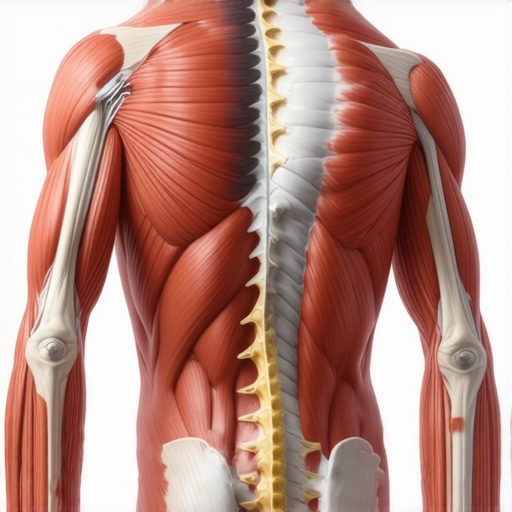
I remember the exact moment I realized I was in trouble. One morning, I woke up with a sharp, shooting pain that seemed to radiate from my lower back down to my leg. At first, I thought it was just a pulled muscle from sleeping in an awkward position. But days passed, and the pain worsened, making every step feel like a chore. That lightbulb moment was painful yet revealing: not all sciatic pain is created equal, and understanding its source could be the key to finally finding relief.
Why Knowing the Difference Matters More Than Ever
Here’s the deal: many people unknowingly treat their sciatica like a one-size-fits-all problem. They stretch, take painkillers, or rest without truly knowing if their pain stems from tight muscles or a herniated disc. This approach often prolongs discomfort or even worsens the condition. I learned this the hard way when a misguided attempt at stretching left me pulling my already strained back muscles even more. Early on, I overlooked a crucial mistake—assuming all sciatic pain was muscle-related—until I sought a proper assessment. As research shows, misidentifying your pain source can delay effective treatment and hinder your recovery. According to the Cleveland Clinic, understanding whether your sciatic pain is muscle or disc related helps tailor the right treatment plan, ultimately speeding up your journey to relief (more info here).
Could Your Pain Actually Be Something Else?
If you’ve ever felt confused, overwhelmed, or even skeptical about the cause of your sciatic pain, you’re not alone. I was there too. The biggest mistake I made was ignoring the warning signs that pointed to a disc issue and pushing through exercises meant for muscle relief. It’s tempting to treat everything with the same tools—stretching, massage, or NSAIDs—yet these might not address the root of your problem. Instead, a simple assessment can save you time, money, and ongoing frustration. Having learned what works and what doesn’t, I can tell you that knowing how to distinguish between muscle-driven or disc-related pain is an eye-opener—one I wish I had earlier. So, are you ready to figure out what’s really going on with your sciatic pain? If so, stay tuned—because understanding the source is the first step to effective relief.
Pinpoint Your Pain Source with Simple Tests
Start by performing a basic movement test at home. Sit on a sturdy chair, extend one leg, and gently lift it while keeping your back straight. If this causes shooting pain, it might indicate nerve involvement rather than just muscle strain. In my case, I tried this after feeling a persistent numbness and discovered that lifting my leg triggered pain only on one side. That revelation saved me from blindly stretching and guided me towards seeking proper treatment, highlighting the importance of differentiating pain sources.
Incorporate Targeted Mobility Exercises
Instead of generic stretches, focus on moves that specifically enhance nerve gliding and joint mobility. For example, gentle pelvic tilts help loosen tight lower back muscles, reducing pressure on the sciatic nerve. I used a simple pelvic tilt routine every morning, which initially felt awkward, but gradually eased my pain. Consistent practice increased my lumbar flexibility, making everyday movements more comfortable, and demonstrating a direct, actionable approach.
How to perform pelvic tilts correctly
Lie on your back with knees bent and feet flat on the floor. Gently flatten your lower back against the floor by engaging your core and tilting your pelvis upward. Hold for five seconds, then release. Repeat ten times. This movement helps realign your pelvis and relieve nerve compression, a crucial step in managing sciatic pain.
Adjust Your Posture Throughout the Day
Poor posture can perpetuate nerve compression. If you sit for extended periods, ensure your workspace promotes spinal health. Use ergonomic aids like lumbar supports or footstools to keep your spine in a natural curve. I learned this when I realized that my slouched sitting pattern worsened my symptoms. Incorporating upright sitting with lumbar support improved my posture and reduced nerve tension, illustrating a straightforward, yet often overlooked, intervention.
Practical tips for ergonomic sitting
Keep your feet flat on the floor, knees at a 90-degree angle, and monitor at eye level. Take regular breaks to stretch or walk. These habits not only alleviate sciatic discomfort but also foster better mobility over time.
Use Self-Myofascial Release Techniques Carefully
Foam rolling can be effective yet risky if done improperly. Focus on the upper hips and thighs, avoiding excessive pressure near the nerve pathways. I once tried rolling my lower back vigorously, which worsened my pain. Instead, gently targeting tight areas with a foam roller helped release fascia restrictions, providing relief without aggravation. Proper technique is vital; always listen to your body’s signals to prevent harm.
Guidelines for safe foam rolling
Lean gently into the foam roller for 20-30 seconds, focusing on tight spots. Never roll directly over the sciatic nerve or bony prominences. Pausing on tender spots can alleviate muscle tightness and improve nerve mobility.
Integrate Lifestyle Modifications for Lasting Relief
Small changes like regular walking, avoiding prolonged sitting, and maintaining a healthy weight make a massive difference. I committed to a daily 10-minute walk, which boosted circulation and reduced inflammation around nerves. These habits complement physical interventions and support long-term mobility, demonstrating that effective management combines actions, not just isolated exercises.
Putting it together
Consistency is key. Schedule regular movement routines, maintain awareness of posture, and incorporate self-care techniques. Over time, these actions will reduce nerve compression, alleviate pain, and restore your mobility—empowering you to live pain-free.
Many sufferers believe that all back and sciatic pain stems from simple muscle strains or temporary inflammation, but this oversimplification can be misleading. In reality, the discomfort often involves complex nerve dynamics and structural issues that require a nuanced understanding. A common myth is that stretching always alleviates sciatic symptoms; however, aggressive or inappropriate stretching can exacerbate nerve compression or cause further injury, especially if the root cause is a herniated disc or nerve impingement. Recognizing the difference—not just through symptoms but via targeted assessments—can drastically change your recovery trajectory, as detailed in advanced resources like [conquering sciatic discomfort](https://bodyrenewtherapy.com/conquering-sciatica-proven-approaches-to-end-discomfort-now).
Why do we often misdiagnose our pain sources despite obvious symptoms?
It’s easy to default to a muscular cause because it’s the most visible and immediate explanation. But studies show that nerve-related pain accounts for a significant portion of persistent sciatic cases. For example, research by the American Association of Neurological Surgeons emphasizes that nerve impingements, such as herniated discs, are frequently overlooked or misclassified as simple muscle strain, delaying appropriate treatment. This is a trap many fall into—treating symptoms rather than addressing the root cause, which can lead to chronic issues or recurring flare-ups. To avoid this, consider comprehensive assessments and tailored therapies that address specific structural or neurological factors rather than relying solely on general pain relief methods.
Another nuance that many miss is the role of posture habits and movement patterns in perpetuating pain. For instance, habitual slouching or prolonged sitting in non-ergonomic positions can subtly compress nerves and joints over years, leading to degenerative changes. Small lifestyle adjustments, like optimizing your workstation based on ergonomic principles discussed [here](https://bodyrenewtherapy.com/enhance-your-back-mobility-ergonomic-tips-for-everyday-comfort), can have a profound impact on long-term health and mobility. Recognizing these subtleties moves you from a reactive pain management approach to proactive prevention.
How can understanding the nerve’s behavior improve your treatment plan?
Digging beneath the surface, nerve behavior—such as how nerves glide within tissues during movement—can reveal why certain exercises help or hurt. Special techniques like nerve mobilization or nerve gliding exercises can prevent adhesion formation and reduce tension, as outlined in [expert strategies](https://bodyrenewtherapy.com/unlocking-sciatica-relief-expert-strategies-for-lasting-comfort). Knowing how nerves react during specific movements allows for safer, more effective therapy that targets the underlying nerve mechanics rather than just easing superficial pain. It emphasizes why precision matters over generic routines—and why consulting a specialist can be instrumental for deep-seated or stubborn symptoms.
Have you ever fallen into this trap? Let me know in the comments. Moving beyond widespread myths involves understanding that back and sciatic pain are often symptoms of deeper structural, neurological, or behavioral issues. This nuanced perspective enables a strategic approach to recovery—one that prioritizes long-term health over temporary relief. By recognizing these hidden nuances, you empower yourself to make informed decisions, avoid common pitfalls, and ultimately reclaim your mobility and quality of life.Maintaining your spinal health and managing conditions like sciatica or neck pain requires a combination of effective tools and consistent habits. Personally, I rely heavily on foam rollers like the TriggerPoint MAX Foam Roller, which allows for precise myofascial release of tight muscles in the hips and thighs. Regular use helps prevent nerve impingement by keeping fascia restrictions in check, but it’s crucial to use it correctly—gently rolling over only the muscular areas, avoiding bony prominences. I also incorporate resistance bands for strengthening and mobility exercises, such as the Theraband Flex Bar, which is excellent for improving nerve glide and joint stability. These tools enable me to perform targeted movements at home, reducing reliance on costly therapies. Looking ahead, I predict a trend toward smart mobility devices—like app-connected flex bands or vibration therapy tools—that provide real-time feedback and personalized routines. How do I maintain long-term mobility? Consistency and tailored routines using these tools, complemented by lifestyle adjustments, are key. For sustained results, I schedule regular sessions—at least three times a week—and incorporate ergonomic considerations from practices outlined in this resource. Remember, customizing your toolset to your specific needs accelerates recovery and prevents future flare-ups. Try integrating the foam roller into your morning routine today, focusing on gentle, sustained pressure to release tight fascia and improve nerve mobility, as recommended by experts like those at the [National Institute of Neurological Disorders and Stroke](https://www.ninds.nih.gov). Consistent use of these tools—along with mindful movement—empowers you to keep your back and neck healthy over the long haul.
Lessons that Changed My Approach to Sciatica and Back Health
The biggest lesson I learned was that patience and precise diagnosis are irreplaceable. Rushing into stretching without understanding my specific condition only prolonged my pain. Moving forward, I realized that tailoring exercises and lifestyle habits to my exact issue made all the difference, and embracing this nuanced view transformed my recovery.
Another insight was the power of mindset. Believing that relief was possible, combined with informed action, kept me motivated even during setbacks. Recognizing that setbacks are part of the healing process encouraged me to stay consistent and trust the process, which proved crucial in regaining mobility.
Finally, I discovered that small, consistent changes—like adjusting my posture at work and incorporating targeted mobility routines—had compounding effects. These simple adjustments prevented flare-ups and created sustainable habits that supported my long-term back health, proving that often, it’s the little things that matter most.
Tools That Became My Go-To Resources
My trusted resource for common back health challenges is the comprehensive guide on conquering sciatic discomfort. It offers proven methods that are easy to understand and apply, which truly changed my perspective on treatment options.
The ergonomic insights from back mobility tips helped me optimize my workstation, preventing further strain. I also rely on self-myofascial release tools like foam rollers and resistance bands, which I trust due to their ability to target specific issues safely. These tools empowered me to take control of my recovery from home, reducing dependence on costly therapies.
Lastly, I’ve found that following recommended routines from reputable sources like mobility mastery ensures ongoing maintenance and helps me stay ahead of discomfort. These resources are my foundation for a healthier, more mobile life.
Your Next Step Toward Lasting Relief
Remember, your journey with sciatic pain is uniquely yours, but taking informed, deliberate actions can turn the tide. Incorporate targeted assessments, embrace consistent movement, and utilize trusted tools to support your recovery. The future of managing back and neck pain isn’t about quick fixes but about cultivating habits that promote lasting mobility and well-being. Don’t wait for pain to take over—start today, and reclaim your freedom of movement.
Finally, have you ever tried a specific mobility exercise or posture change that made a noticeable difference? Share your experience below and let’s learn together!