
How to Transition to a Standing Desk Without Destroying Your Back
I vividly remember the moment I realized my back was protesting louder than my deadlines. One day, after a few hours of trying to stand instead of sit at my desk, I felt that familiar, burning ache spread across my lower back. It was as if my spine had rebelled against this new habit overnight. That lightbulb moment made me ask: “Am I doing this right?”
Switching to a standing desk promises increased energy, better posture, and relief from chronic discomfort. But if not done correctly, it can backfire—literally. I discovered the hard way that rushing into it without proper preparation could lead to more pain, not less. Today, I want to share with you the essential insights that changed my approach, so you can transform your workspace without destroying your back.
Starting Off on the Right Foot—Avoiding the Common Pitfalls
When I first decided to give standing work a shot, I underestimated how crucial proper setup and gradual adjustment are. I jumped in cold turkey, cranking my desk up and standing for hours. The result? Tightness, fatigue, and a nagging ache that sabotaged my productivity. It turns out, one of the biggest mistakes early on is overdoing it. Experts advise incorporating micro-movements and gradual increases—small steps that protect your spine while you build endurance.
Research shows that improper standing posture can cause or exacerbate back pain, especially if your desk isn’t set at the right height or if you stay in static positions for too long. It’s a fine balance—like most things in health, slow and steady wins the race. Want to avoid the pain I endured? Take a moment to evaluate your workspace and your habits. A quick visit to this resource can help you understand if your back pain might signal a deeper issue.
Once you get the setup right and tune into your body’s signals, the transition becomes smoother. The goal isn’t just to stand more, but to stand better—comfortably and sustainably. Ready to explore the steps that will make standing work pain-free? We’ll cover everything from ergonomic adjustments to movement strategies, so stay tuned.
Is Switching to a Standing Desk Worth the Hype?
Initially, I believed that standing would instantly fix my back issues. I thought, “More standing, less sitting—that’s healthy, right?” Turns out, I was missing a key piece: balanced movement. Standing for the sake of standing can be just as problematic as sitting. My early mistake was neglecting the importance of shifting positions and strengthening my core. If you’re skeptical, you’re not alone—many wonder if standing desks are just a trendy fad. But with the right approach, they can be a game-changer.
Sit Smart: Set Up Your Workspace for Comfort
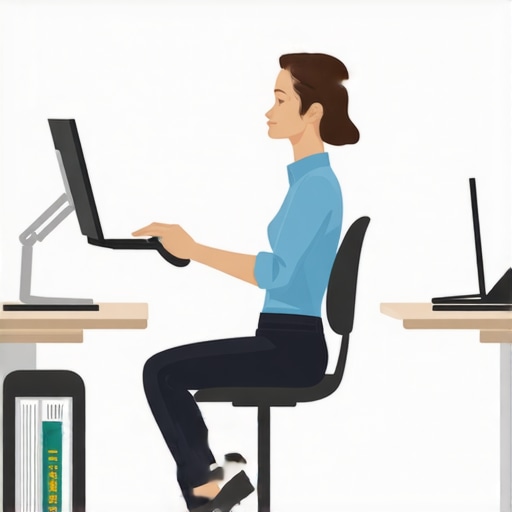
Begin by adjusting your monitor height so that your eyes are level with the top of the screen, preventing you from tilting your neck downward. Your keyboard and mouse should be positioned so your elbows stay close to your sides and form about a 90-degree angle, reducing shoulder strain. Consider using an adjustable stand or riser if necessary. I reconfigured my desk this way, and immediately noticed less neck tension throughout the day.
Position Your Feet and Legs for Stability
Ensure your feet are flat on the floor or on a footrest, with knees at or just below hip level. This alignment supports your lower back’s natural curve. When I realized my knees jutted higher than my hips, I added a footstool, which relieved pressure on my back and improved circulation. Remember, avoid crossing your legs excessively, as it can cause pelvic tilt and exacerbate discomfort.
Choose the Right Chair and Support
Select an ergonomic chair that offers lumbar support and adjustable height. When sitting, maintain a slight recline—about 100-110 degrees—to reduce lumbar stress. During my setup, I added a lumbar cushion to support my lower back’s natural bend, which prevented my discs from compressing unevenly. Proper support acts like a pillar for your spinal integrity, preventing future issues.
Engage in Micro Movements Throughout the Day
Staying static for hours is akin to a tree trunk that doesn’t sway—it’s prone to cracking. Incorporate small movements like ankle rolls, shoulder shrugs, or standing briefly every 30 minutes. I set a timer to remind myself and found that these micro-movements kept my muscles active and joints lubricated, significantly reducing stiffness and pain.
Practice Core Activation and Stretching
A strong core acts like the foundation of a building, stabilizing your entire spine. Dedicate a few minutes daily to exercises like planks or bird-dogs to strengthen these muscles. Additionally, perform gentle stretches targeting your hip flexors and hamstrings, which can pull on your lower back if tight. I started my mornings with these routines, noticing improved posture and less discomfort even after long working hours.
Reevaluate and Adjust Regularly
Your body changes over time, and so should your setup. Periodically reassess your workspace, and pay attention to signals from your body—pain or fatigue indicates it’s time for adjustments. For instance, I found that raising my monitor slightly higher prevented neck strain during extended periods of work. Continuous tweaks ensure your environment supports your back habitually, not just temporarily.
If persistent pain or unusual symptoms occur, consult a professional to rule out underlying issues. You can explore signs indicating more serious concerns here. Taking these concrete steps creates a resilient workspace, transforming your daily routine into a back-friendly experience.
 Many believe that stiffness or discomfort automatically signals a serious injury, but in reality, most persistent back, neck, and sciatica issues stem from overlooked nuances in posture and movement. One common misconception is that pain always correlates directly with tissue damage; however, research shows that the nervous system’s sensitivity can amplify pain signals, making minor issues feel debilitating. This means that sometimes, the pain isn’t about actual injury but about how your brain perceives threat, and addressing this requires more than just physical therapy—it demands a holistic approach involving mind-body techniques. Beware of the trap where people solely rely on stretching or ice, neglecting core stability and movement patterns—such neglect can exacerbate the problem. Expert insights suggest incorporating movement variability and targeting neuromuscular control for effective relief.
What advanced clues can differentiate between nerve issues and muscular strains in chronic pain?
Understanding nerve involvement means recognizing symptoms like radiating pain, numbness, or tingling that don’t improve with typical muscular stretches. If you suspect nerve irritation or sciatica, consulting a professional is crucial; you may find valuable strategies and tailored exercises at this resource. Overlooking these subtle but critical signs may lead to long-term disability—so, stay vigilant. Remember, true mobility isn’t just about flexibility but about controlling and coordinating muscles and nerves in harmony. For more in-depth guidance, you can reach out via contact us, ensuring your recovery plan addresses the root cause rather than symptoms alone.
Maintaining back health over time demands more than just understanding posture tweaks—having the right tools and routines is essential. Personally, I rely heavily on a few specific pieces of equipment and software that have made a tangible difference in my daily mobility and pain management. These tools not only facilitate immediate relief but also promote long-term resilience against back issues.
Invest in an Adjustable Foam Roller for Deep Tissue Release
I use a high-density foam roller with firmness variability. My preferred method is employing a slightly firmer roller for my thoracic region to alleviate stiffness, while softer sections target sensitive areas without causing discomfort. Regular use helps break down muscle adhesions, improves circulation, and enhances overall mobility. Incorporating this into my daily routine—especially after long stretches of sitting—has kept my muscles supple and reduced pain flare-ups.
Smart Posture Monitors: The Digital Ally
To stay vigilant, I depend on a smart posture correction device that alerts me when I slump or tilt my neck forward. Unlike traditional mirrors, these gadgets connect via Bluetooth to a mobile app, giving real-time feedback. This tech nudges me to adjust instantly, cultivating better habits over time. I believe these devices are a glimpse into our future, where continuous biofeedback becomes standard for injury prevention—see more at this upcoming trend.
Ergonomic Assessments with Professional Guidance
While online resources are helpful, I highly recommend periodic ergonomic assessments from specialists. A personal assessment identifies subtle misalignments or setup flaws that might not be apparent. For instance, I scheduled a professional setup review for my workspace, which uncovered minimal desk height issues I had overlooked. This proactive approach ensures my setup evolves along with my changing needs, preventing minor discomforts from turning into chronic pain.
Embrace Technology for Movement Tracking and Reminders
Using movement tracking apps that prompt micro-movements (like ankle rolls or standing stretches) throughout the day keeps muscles active and joints lubricated. I set timers on my phone every 20-30 minutes to remind me to stand, stretch, or perform targeted mobility exercises. This simple habit—bolstered by an app—makes a significant difference in managing stiffness and avoiding prolonged static positions.
As these tools demonstrate, combining physical equipment with digital aids enables a proactive and personalized approach to back health. Continuous innovation promises even smarter solutions, like AI-driven posture coaching or biofeedback wearables, to further refine our habits. Start integrating one of these tools today—try a smart posture monitor or a targeted foam rolling session—and watch your mobility and comfort improve over time. For tailored advice or professional support, visit this contact page.
Quiet Moments That Changed Everything
The biggest lesson I learned was that pain rarely reveals its full story at first glance. Often, persistent back issues stem from subtle habits—like how I sat or moved—that compounded over time. Recognizing small signals early, such as lingering stiffness or discomfort, could have saved me from more serious pain. This taught me to listen to my body with patience and curiosity, rather than pushing through discomfort blindly.
The Power of Personalization in Back Care
I used to believe one-size-fits-all solutions worked for everyone. But my journey taught me that personalized adjustments—in furniture, routines, and movement—are crucial. Dialing in the right ergonomic setup, like how I positioned my monitor or adjusted my chair, made a profound difference. It reinforced that understanding my unique body clues and responding accordingly is key to sustainable back health. Check out this resource for more tailored strategies.
Embracing Movement Beyond Stretching
Early on, I thought stretching alone would fix my issues. Turns out, dynamic movement and core strengthening are what truly transformed my back. Integrating micro-movements, like ankle rolls or gentle rotations, kept my muscles resilient and prevented stiffness. This insight shifted my approach from passive stretching to active mobility, emphasizing that consistent, varied movements build long-term strength and flexibility.
Feelings Often Tell a Deeper Story
One lightbulb moment was realizing that pain isn’t always about tissue damage. Sometimes, it’s my nervous system signaling stress or fatigue. Learning to differentiate between muscular strains and nerve-related symptoms helped me choose better strategies, like specific exercises or relaxation techniques. If your pain persists or radiates, exploring signs of nerve involvement can be revealing. For insights, see this guide.
Two Tools That United My Efforts
I can’t overstate how much a good foam roller and a smart posture device improved my routine. The foam roller relieved tight muscles and adhesions, while the biofeedback gadget kept me accountable and aware of my posture during busy days. These tools made the abstract concept of back health tangible and manageable. You’re encouraged to find practical aids that resonate with your habits, making care consistent and even enjoyable.