
How to Use a Foam Roller Without Hurting Your Nerves
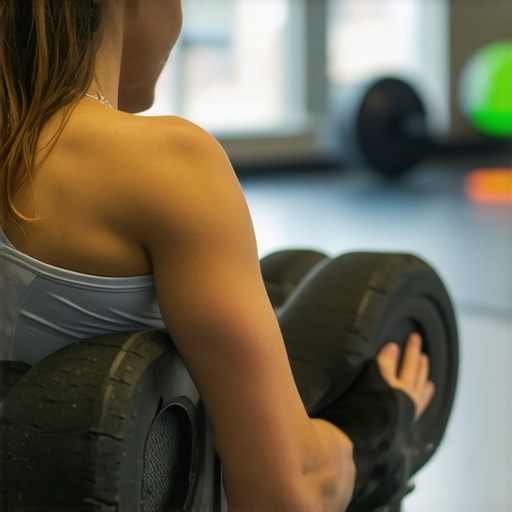
Imagine this: you’ve just finished a workout or a long day at your desk, and you reach for your foam roller, eager to ease lingering tightness. But as soon as you start rolling, a sudden, sharp pain shoots down your neck or legs, leaving you more tense than before. That lightbulb moment hit me hard—I’ve been there, pushing too hard, thinking I was doing good, only to end up with nerve pinches that made everything worse.
Since then, I’ve learned that using a foam roller isn’t just about smashing through those tight muscles; it’s about doing it *correctly* so you don’t cause more harm than good. And that’s exactly what I want to share with you today. If you’ve ever felt nervous about whether a foam roller could actually hurt your nerves or worsen your pain, you’re in the right place. We’ll explore how to use this popular tool safely and effectively, protecting your nerves while maximizing the benefits.
Why You’re Probably Doing It Wrong (And How to Fix It)
Using a foam roller seems simple enough: roll back and forth, loosen up sore muscles, and feel relief. But the truth is, many of us unknowingly fall into common pitfalls that can lead to nerve irritation. For example, applying too much pressure on sensitive areas or rolling directly over nerves can cause irritating sensations or even nerve compression. One early mistake I made was focusing solely on the tender spots without paying attention to my body’s signals, which only amplified discomfort.
Understanding your body’s anatomy is key. Nerves like the sciatic or cervical nerves are delicate structures that run close to muscles. If you roll improperly—say, on the outer hip where the sciatic nerve is near the surface—you risk compressing or pinching those nerves, leading to numbness, tingling, or worse.
Studies show that improper foam rolling techniques can cause nerve irritation or exacerbate existing issues (source: [Body Renew Therapy](https://bodyrenewtherapy.com/sciatica-relief-secrets-how-to-banish-pain-quickly-today)). That’s why knowing how to position yourself and choosing the right pressure are critical.
Are you worried that foam rolling might do more harm than good? Trust me, I was too—until I learned the proper method. Now, with just a few adjustments, I enjoy pain relief without any nerve side effects. In the next sections, I’ll walk you through practical steps to avoid nerve injuries and get the most out of your foam roller session. Ready to roll safely? Let’s dive in.
Start with a gentle warm-up
Before rolling, do light movement like walking or gentle stretches to increase blood flow, reducing the risk of nerve irritation. I recall my first time applying pressure immediately after sitting still—it led to numbness. Warming up ensures the muscles and nervous tissue are ready for targeted work.
Identify zones that need attention
Focus on muscles like the glutes, hamstrings, or neck muscles, avoiding areas near major nerves such as the outer hips where the sciatic nerve runs. For instance, during a session targeting my lower back, I avoided the outer hip and instead worked on my inner thigh for relief, preventing inadvertent nerve compression.
Use proper positioning
Lie perpendicular to the foam roller so that nerves remain on the side, not directly under pressure. When rolling my neck, I kept my head supported and moved slowly to avoid overstretching nerves or causing sharp pain.
Apply controlled pressure with correct technique
Start with light pressure and increase gradually. Use your arms to support your weight instead of relying solely on your body weight on the roller. I learned this the hard way—initially pressing too hard on my upper back, which caused tingling sensations. Slow, deliberate movements help prevent nerve pinching.
Limit rolling over sensitive areas
Avoid direct pressure on bony prominences or nerve pathways. Instead, move around these zones if you feel discomfort. For example, I sidestepped my sciatic nerve area when rolling my outer hips, focusing instead on surrounding muscles. Remember, tenderness is okay, but burning or zinging signals to stop immediately.
Adjust the roller’s position frequently
Switching angles distributes pressure evenly and avoids prolonged compression on nerves. During sessions, I shifted from perpendicular to parallel to my limbs, which prevented overstressing any single nerve bundle.
Listen to your body’s cues
If you experience tingling, numbness, or sharp pain, stop immediately. These sensations often indicate nerve irritation. I once ignored a mild tingling and continued rolling; the next day, I woke up with a pinched nerve. Always prioritize comfort over intensity.
Finish with calming stretches
After rolling, perform gentle stretches to relax muscles and nerves. Breathing deeply during these stretches enhances relaxation. Incorporating this step helped me feel more limber without residual nerve discomfort.
Incorporate regular breaks and hydration
Spacing out rolling sessions allows nerves to recover. Staying hydrated supports tissue health. Remember, consistency is key—regular, mindful foam rolling fosters mobility without risking nerve injury.
Many people believe that stretching or exercising harder will always alleviate back pain, but this oversimplification often leads to overlooked nuances that can worsen nerve issues like sciatica or neck pain. In my experience, a common myth is that pain equals damage, prompting individuals to push through discomfort without considering nerve sensitivity. This mindset can be dangerous, as nerves are delicate structures that require precise care. Overstretching or using aggressive foam rolling techniques on sensitive nerve pathways, such as the sciatic nerve or cervical nerves, can inadvertently cause nerve irritation or even nerve root compression, complicating recovery (source: [conquering sciatica relief](https://bodyrenewtherapy.com/conquering-sciatica-proven-approaches-to-end-discomfort-now)). A typical **oops** is applying too much pressure on areas near nerve exits, like the outer hips or neck, without understanding the complex anatomy involved. Advanced practitioners recognize that targeted, gentle mobilization—rather than brute force—is key to protecting nerves while promoting healing. Have you ever fallen into this trap? Let me know in the comments. To truly optimize your approach, explore detailed strategies like avoiding overstretching the psoas muscle, which can get tangled with lumbar nerves, or realizing that sometimes less is more when managing nerve sensations (see [back pain breakthroughs](https://bodyrenewtherapy.com/back-pain-breakthroughs-navigating-your-path-to-restored-mobility)). Remember, understanding the intricate relationship between muscles and nerves in your body is essential. Check out expert guidance on effective methods that respect nerve physiology and prevent further injury.Maintaining your back health requires more than just sporadic stretches or foam rolling sessions; it’s about integrating reliable tools and proven strategies into your daily routine. One essential device I personally rely on is a quality ergonomic foam roller with adjustable firmness. Unlike cheaper alternatives, mine allows me to modulate pressure—crucial for avoiding nerve irritation while still targeting tight muscles effectively. Using a roller that adapts to different zones of my back and legs helps me avoid overstressing sensitive nerves, especially after intense workouts or long hours at my desk.
In addition to physical tools, software solutions can significantly enhance your mobility journey. Apps like PhysiApp or PocketPhysio offer guided routines tailored to specific pain points, ensuring you’re performing exercises correctly and safely. For example, I prefer these over generic videos because they provide real-time feedback and track progress over time, motivating me to stay consistent.
Complementing tools and apps, adopting a mindful approach with proper technique is vital. Regularly practicing deep diaphragmatic breathing during your sessions can reduce muscle tension and nerve compression, promoting long-term relief. Also, integrating mobility drills that focus on hip flexors and thoracic spine—such as controlled kettlebell swings or tailored Pilates moves—can offset the degenerative effects of aging and prolonged sitting.
Looking ahead, I predict that advancements in biofeedback and wearable tech will become standard for preventing nerve irritation and maintaining spinal health. Sensors incorporated into clothing or straps could alert you when your posture deteriorates or when excessive pressure risks nerve damage, allowing immediate correction before pain develops.
So, how do you maintain consistent back health over time? Prioritize reliable tools like adjustable foam rollers, use intelligent software for tracking exercises, and commit to techniques that foster nervous system relaxation. For a deeper dive, I recommend exploring ergonomic tips for everyday comfort. Start by trying a different pressure setting on your foam roller to discover what minimizes nerve irritation while maximizing muscle release—this small change can make a significant difference in your long-term mobility.
Lessons That Changed My Approach to Nerve-Friendly Foam Rolling
One profound lesson I learned was that patience outperforms brute force every time. Initially, I thought pressing harder would expedite relief, but I soon experienced nerve tingling and discomfort—an eye-opener about respecting nerve boundaries. Another insight was the importance of listening to subtle sensations; a slight tingling signaled I was pushing too far, reminding me that sensitivity cues are invaluable guides. Lastly, I discovered that targeted, gentle movements foster long-term mobility gains while safeguarding nerves—less aggressive, more strategic, was the key to consistent progress.
My Favorite Tools and Resources That Prioritized Nerve Safety
An adjustable foam roller with variable firmness became my go-to, allowing me to modulate pressure based on body zones—crucial for nerve protection. To supplement manual techniques, I rely on guided routines from Ergonomic Tips for Everyday Comfort, which emphasize safe, anatomy-aware movements. The app Unlocking Mobility offers tailored exercises that reinforce nerve-conscious practices. I also invest time in expert blogs and courses, such as ‘Back Pain Breakthroughs,’ which teach evidence-based strategies for safe mobility.
Embrace the Journey: Your Body’s Signals Are Your Best Allies
Remember, safe foam rolling isn’t about pushing through pain; it’s about tuning into your body’s whispers. Incorporate mindful techniques, trust your sensations, and select tools that support gentle progress. Your back and nerves will thank you for kindness, patience, and awareness. Every mindful session brings you closer to pain-free movement—start today, and let your body guide you to long-lasting health.