
How Worn-Out Sneakers Are Silently Destroying Your Lower Back Alignment
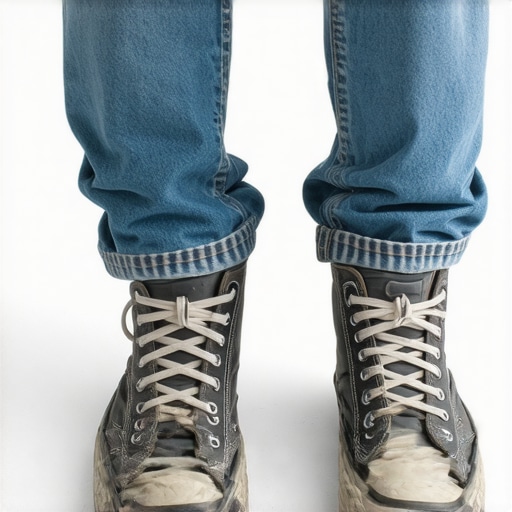
It was a morning like any other, but suddenly I felt that sharp, shooting pain shooting down my leg as I tried to stand up. My lower back had been giving me subtle hints—nagging aches, tightness after a run—but I had brushed them off. That day, I realized my worn-out sneakers might be the silent culprits sabotaging my spinal alignment. That lightbulb moment hit hard: my choice of footwear wasn’t just about style or comfort—it’s directly impacting my lower back health.
The Hidden Link Between Your Shoes and Spinal Health
Many of us underestimate the importance of proper footwear in maintaining a healthy spine. Worn-out sneakers lose their cushioning, support, and structural integrity over time. Every step you take in old shoes can cause misalignment, placing unnecessary stress on your lower back and hips. This misalignment can gradually lead to chronic pain, discomfort, and even conditions like sciatica. I learned this the hard way, initially thinking my back pain was just part of aging or too much sitting. But early mistakes—like ignoring the wear and tear on my shoes—only worsened the problem.
Research shows that improper footwear can alter your gait, leading to uneven strain on your lumbar region. The key takeaway? Shoes are foundational. They set the stage for how your entire body moves and aligns during daily activities. Don’t make the mistake I did early on—assuming everything is fine when your shoes tell a different story. Instead, regularly evaluate your footwear’s condition and recognize when it’s time for an upgrade. Want to learn how neglected footwear might be hurting you more? Check out this post for detailed insights.
Is Replacing Your Shoes Worth the Hassle?
Initially, I questioned whether swapping out shoes would really make a difference. I was skeptical, thinking, “How much can a pair of shoes really impact my back?” But I soon discovered that inexpensive or worn-out shoes lacked proper arch support, leading to instability. It’s not just about comfort—it’s about preventing long-term damage. Early on, I made the mistake of only considering style over function. That was a costly oversight. For lasting relief and improved alignment, investing in quality footwear tailored to your activity level is essential. Curious how to choose the right shoes for your needs? Visit this guide for expert advice.
Now, let’s get practical. In the next sections, I’ll share methods to identify if your footwear is causing issues and simple steps to get back on track. Are your shoes silently contributing to your back pain? If you’ve faced this problem, know you’re not alone, and solutions are within reach.
Evaluate Your Shoes Regularly
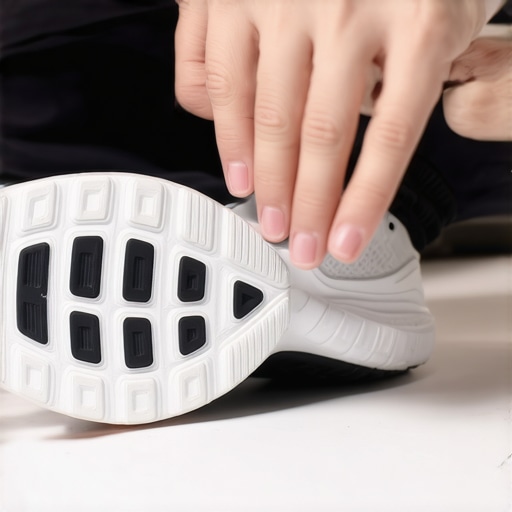
Start by inspecting your current footwear. Worn-out soles, flattened cushioning, or uneven wear patterns are signs it’s time to replace your shoes. I once held onto a pair of sneakers for months longer than I should have, thinking they still looked okay. After switching to a supportive pair, I noticed immediate relief in my lower back. To do this effectively, take off your shoes and look for worn areas, especially under the heel and ball of the foot. Sit down with a mirror or ask a friend to help identify uneven wear. If your shoes show signs of aging, it’s time to consider a replacement.
Choose the Right Shoes for Your Activity
Not all shoes are created equal. For everyday wear, prioritize a pair with proper arch support and cushioning. For running or athletic activities, select shoes designed for your specific sport, ensuring they accommodate your foot type—whether it’s flat, neutral, or high-arched. I learned this by visiting a specialist store, where I was fitted for shoes tailored to my gait. When trying new shoes, walk around and check for stability and comfort. Remember, affordable shoes lacking in support can cause misalignment over time, contributing to chronic pain.
Incorporate Proper Shoe Maintenance
Once you’ve selected quality shoes, caring for them is crucial. Regularly clean them to prevent deterioration. Also, rotate between two pairs if possible; this allows each to decompress and retain their supportive structures longer. I started doing this by alternating my running shoes and noticed they lasted longer and felt more supportive. Keep an eye out for smell or compression signs, which indicate they need replacing sooner. This simple habit ensures your footwear maintains its properties, helping prevent the cumulative stress that leads to back issues.
Integrate Footwear Assessment into Your Routine
Make evaluating footwear a habit—every 3 to 6 months, depending on wear and activity level. Set reminders on your phone or mark your calendar. During these reviews, examine tiresome wear patterns, replace shoes when needed, and consider upgrading to models that better support your lifestyle. I committed to this schedule, and over time, my back pain decreased significantly. Small consistent actions like these prevent misalignments before they develop into chronic problems.
Remember, your shoes are more than just fashion statements; they are your foundation. Proper footwear supports spinal alignment, reduces undue pressure, and keeps your mobility smooth. Take control of this often-overlooked aspect, and your back will thank you for it.
 Many assume that stretching or strengthening alone can resolve persistent pain, but the truth is far more nuanced. A common myth is that all back issues stem solely from muscle weakness or tightness, when in fact, misalignments and neural factors play a critical role. For example, focusing exclusively on core exercises without addressing postural habits or joint restrictions may even worsen symptoms over time. One prevalent trap is believing that pain is always localized; however, research shows that compensatory patterns originating elsewhere can trickle down into pain syndromes like sciatica or neck discomfort, obscuring the root cause. An advanced consideration is how the nervous system’s plasticity influences pain perception; maladaptive neural pathways can sustain chronic issues even after mechanical causes are addressed. According to Dr. Lorimer Moseley, a leading pain scientist, neuroplastic changes can persist long after tissue healing, emphasizing the importance of targeting both mechanical and neural components. To dig deeper into how unconscious habits reinforce chronic pain, check out this insightful post. Be cautious of the trap where people overlook neural contributions, mistaking pain for just a biomechanical problem. Instead, integrate multidimensional approaches—combining manual therapy, movement retraining, and neural desensitization—for lasting relief. Remember, quick fixes rarely address the complexity of pain. Have you ever fallen into this trap? Let me know in the comments.Maintaining mobility and preventing chronic pain requires not just understanding what causes issues but also having the right tools at your disposal. I’ve personally found that integrating high-quality equipment and reliable resources makes all the difference in sustaining long-term results. A key part of my routine involves using smart devices that track movement patterns, such as the mobility app which offers personalized exercises based on daily activity and stiffness levels. These apps help identify mobility stagnation and recommend targeted stretches, ensuring I stay proactive rather than reactive.
How do I maintain mobility over time?
I emphasize regular assessment with tools like foam rollers and resistance bands. For example, I swear by a premium foam roller, like the TriggerPoint GRID, which I use daily to release tight muscle fascia and improve blood flow. Its textured surface delivers deep tissue massage, making it easier to address knots that contribute to back and neck pain. To complement this, I incorporate resistance bands for gentle strengthening, specifically focusing on external rotators and core stabilizers, which play crucial roles in maintaining spinal support. These tools are portable, affordable, and adaptable to various routines, making consistent self-care convenient. I also recommend investing in ergonomic accessories such as adjustable standing desks and lumbar supports, which can be fine-tuned for your posture needs. Regularly updating your setup ensures your body isn’t subjected to improper alignment, often the unseen culprit behind recurring pain episodes. Future trends point towards smarter wearable tech, like biofeedback devices, that monitor muscle activation and stress levels in real-time. These innovations will empower users to make immediate adjustments, fostering more sustainable habits. Incorporating such gadgets into your daily routine can dramatically improve your ability to keep pain at bay.
Remember, staying consistent with these tools is key. Start with a dedicated 5-minute session using a foam roller or resistance band each day. Over time, you’ll notice increased mobility, reduced pain, and a more resilient spine. For a detailed guide on integrating these tools into your routine, check out this resource. Don’t wait for pain to dictate your daily life—take control now. One actionable step I recommend: try the deep tissue foam rolling technique tonight and feel the difference for yourself. Remember, your body responds best to consistent, targeted care—so make these tools a part of your routine today.
Lessons I Wish I Learned Sooner About Unseen Traps
- My biggest lightbulb moment was realizing that often, pain isn’t just about muscles or posture—it’s a puzzle where your footwear, neural pathways, and habits all play a part. I once dismissed those subtle aches, only to find that neglecting the support under my feet kept reinforcing my discomfort.
- Through trial and error, I discovered that common myths, like stretching constantly solves all issues, can actually mask underlying problems rooted in neural adaptations and misalignments. Sharing these insights has helped me avoid setbacks—and I hope they do the same for you.
- Understanding the brain’s role in pain was a game-changer. Neural plasticity means pain can persist even after fixing mechanical causes. Adapting my approach to include neural retraining made my recovery more sustainable and less frustrating.
- Investing in simple tools like foam rollers and targeted exercises transformed my daily routine. Small, consistent actions—like regular mobility checks and smart footwear choices—create a sturdy foundation to keep discomfort at bay long-term.
Tools That Elevated My Journey to Relief
- The mobility app: Personalized exercises and tracking kept me accountable and informed about my body’s needs; I trust it because it offers tailored guidance without guesswork.
- TriggerPoint GRID Foam Roller: Its textured surface releases fascia knots effectively, providing relief that stretches alone couldn’t achieve—it’s a cornerstone in my daily routine.
- Resistance bands: With their versatility, I strengthen stabilizers and refine my movement patterns, preventing future issues and ensuring lasting support for my spine.
- Ergonomic accessories: Adjustable desks and lumbar supports have integrated seamlessly into my workspace, proactively reducing strain before discomfort arises.
Your Path Starts Now—Keep Moving Forward
Overcoming back, neck, and sciatic pain isn’t about quick fixes—it’s about embracing a mindful, informed approach that respects your body’s complexity. Remember, consistent care with the right tools and knowledge can transform your quality of life. Don’t wait for pain to take control—start today, and you’ll be surprised how much progress you can make.
What small change will you try first to improve your mobility or reduce pain? Share your plan below—I’d love to hear your next step!