![How Your 2026 VR Headset is Wrecking Your Neck [Fixes]](https://bodyrenewtherapy.com/wp-content/uploads/2026/02/How-Your-2026-VR-Headset-is-Wrecking-Your-Neck-Fixes.jpeg)
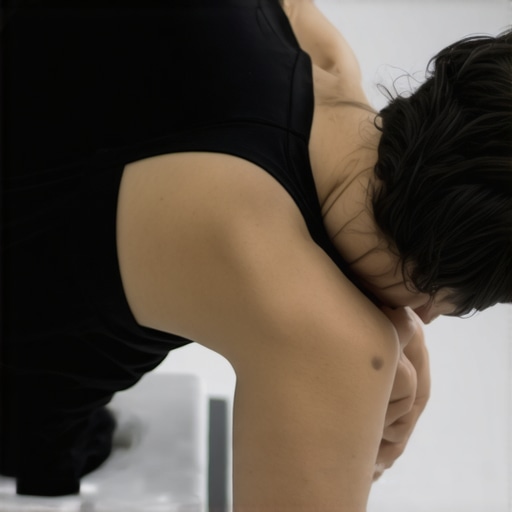
Ever had that moment when you’re deeply immersed in a virtual world, only to be greeted afterwards by an unforgiving neck pain that lingers for days? I remember the first time I experienced it—my muscles felt tight, and turning my head became an actual chore. It was a lightbulb moment: my new 2026 VR headset, while jaw-droppingly advanced, was secretly wrecking my neck—and maybe yours too.
Why Your VR Sessions Might Be Causing More Harm Than You Think
I’ve learned the hard way that prolonged awkward neck positions, especially during intense gaming or virtual work, can lead to chronic discomfort. The culprit? Poor posture combined with the headset’s design that encourages tilting and craning. Research shows that maintaining poor neck posture over time can develop into serious issues like cervical strain or even herniated discs (understanding the link between posture and pain). And here’s the kicker—most of us aren’t even aware we’re doing it.
Trust me, I made the mistake of ignoring my initial discomfort, thinking it was just fatigue. But neglect can turn these minor strains into lifelong problems. That’s why, today, I want to share proven strategies that helped me protect my neck while still enjoying my tech. Whether you’re a hardcore gamer or a casual user, these tips will help you strike a healthier balance.
Have you noticed lingering neck stiffness after your VR sessions? You’re not alone.
Let’s dive into how we can fix this—because the good news is, a little awareness and some simple adjustments can make all the difference. Ready to regain your comfort and prevent future pain? Then keep reading, because the solution is closer than you think—and it starts with understanding the problem.
Adjust Your Gaming Setup for Better Posture
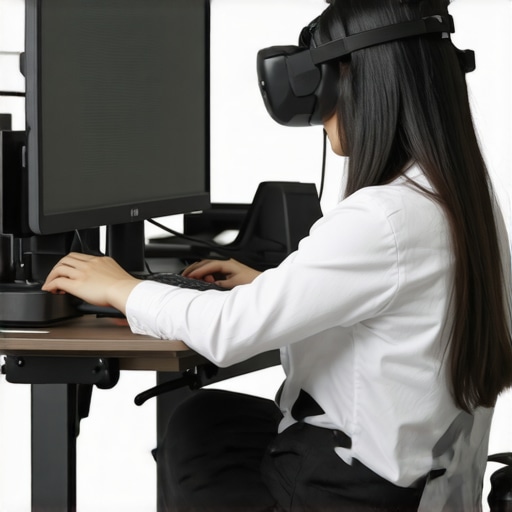
Start by setting your VR environment to promote good alignment. Adjust your chair height so your feet are flat on the ground, and your knees are at a 90-degree angle. Position your monitor or VR sensors at eye level—imagine you’re balancing a book on your head without it slipping—to maintain a neutral neck. When I did this for the first time, I used a stack of books to find the right height and immediately noticed less strain after my sessions.
Use Ergonomic Supports
Invest in a supportive neck pillow or cervical roll to maintain natural spine curvature during extended use. During my marathon VR sessions, I placed a rolled towel behind my neck, which kept my head aligned and reduced discomfort. Consistent use of ergonomic supports helps prevent the muscles from overworking and keeps your cervical spine stable.
Incorporate Dynamic Breaks and Movements
Every 20-30 minutes, pause to do gentle neck and shoulder stretches. Think of your neck as a rubber band—stretching and releasing helps keep it flexible, preventing stiffness and pain. I set a timer and performed simple head turns, tilting side to side, and shoulder rolls, which refreshed my muscles and improved circulation. These short movements are vital for avoiding the stiffness that often follows static positioning.
Practice the Chin Tuck Technique
This simple yet powerful move realigns your head over your shoulders, combatting forward head posture common in VR use. To do it, gently tuck your chin toward your neck, creating a double chin, then hold for five seconds. I did this during breaks and found it eased my neck tension significantly. Regular practice trains your muscles to maintain proper alignment naturally.
Strengthen and Mobilize Your Neck and Back
Engage in targeted exercises that build resilience and mobility. Incorporate movements like neck rotations, shoulder blade squeezes, and thoracic extensions. I dedicated 5 minutes daily to these exercises, which over weeks reduced my neck stiffness and improved my overall posture. Consistency is key; it’s like building a dam before a flood—strengthening your muscles prevents the strain from accumulating.
Enhance Your Back and Hip Flexibility
Tight hips and weak back muscles can cause compensatory neck strain. Improving their mobility creates a balanced kinesthetic foundation. Use stretches like hip openers and lower back twists, following guides like this mobility boost. I added a daily 10-minute session, and the difference in my posture and neck comfort was night and day.
Consistent Self-Monitoring
Pay attention to your body’s signals—stiffness, discomfort, or fatigue. Adjust your setup or technique accordingly. I kept a journal, noting which positions and exercises felt best, which helped me tailor my habits over time. Think of it as tuning a musical instrument; small adjustments lead to harmonious eventuality.
Remember, these steps are not instantaneous fixes but part of a sustainable routine. Implementing them consistently will create a resilient neck and back, ensuring your VR enjoyment doesn’t come at the expense of your health. Want to learn more about improving mobility? Visit Mobility Mastery for daily tips that keep your spine and joints healthy.
 Many people believe that stretches alone can fix persistent back or neck issues, but the truth is more nuanced. A common misconception is that pain always originates from the affected area itself, like the sciatic nerve or cervical muscles. However, often these symptoms are the result of *compensatory patterns* in the body—means your movement habits, posture, and even stress levels can be underlying culprits. For example, prolonged poor posture can alter your spinal alignment and create muscle imbalances that mask themselves as localized pain, leading you to treat symptoms rather than causes. According to recent studies, addressing these dysfunctional movement patterns yields far better results than isolated stretching or pain medication alone.
Beware of the trap that complicates many recovery efforts: **ignoring the body’s interconnectedness**. Your hips, ankles, and even your breathing patterns influence your spinal health significantly. Neglecting mobility in these areas often results in turning small issues into chronic problems. For instance, tight hips can force your lumbar spine or neck into uncomfortable compensations, perpetuating a cycle of pain. To truly make meaningful progress, you need a comprehensive approach—strengthening weak links, improving joint mobility, and correcting movement habits. Explore mobility exercises that target multiple joints for sustainable relief, such as those outlined in this mobility guide.
Have you ever fallen into this trap? Let me know in the comments.
Why Do So Many Mobility Exercises Miss the Mark for Advanced Cases?
Many training routines focus on superficial stretching or strengthening without addressing *neuromuscular control*—the body’s ability to coordinate movement efficiently. Without retraining your nervous system, muscles may become stronger but still operate in dysfunctional ways, leading to persistent pain or reduced mobility. Recent research emphasizes the importance of targeted, proprioception-enhancing drills that retrain your body’s natural movement patterns, ensuring the gains translate into real-world function and pain relief. Incorporating a combination of mobility and neuromuscular training, as discussed in this resource, can make all the difference in resolving stubborn pain and preventing future setbacks.
Keep It Working: Essential Tools for Ongoing Mobility and Pain Prevention
Maintaining long-term relief from neck, back, and sciatic pain requires more than just occasional stretches or exercises. It calls for consistent care with the right tools and routines. Personally, I vouch for a combination of ergonomic equipment and mobile apps that facilitate monitoring and adjusting your posture throughout the day. These tools help bridge the gap between workouts and daily habits, ensuring you sustain improvements over months and years.
One indispensable item I use is a high-quality ergonomic chair designed with adjustable lumbar support. I specifically recommend the Herman Miller Aeron because its mesh material and customizable settings help maintain spinal alignment during extended sitting. This chair actively encourages good posture, reducing the risk of developing chronic pain. Additionally, I incorporate a portable posture reminder device, like the Upright GO 2, which vibrates gently when I slouch, prompting me to correct my position. Over time, these idle reminders train my muscles to hold proper alignment automatically.
In terms of software, I rely heavily on posture-tracking apps such as Mobility Mastery. These apps provide tailored routines and gentle alerts encouraging regular movement, which is vital for preventing stiffness and long-term deterioration. I particularly appreciate the step-by-step guides for stretching and strengthening muscles involved in neck and back health that adapt to my progress, ensuring continual challenge without risking injury.
For mobility, foam rollers and massage balls have proven invaluable. I use a firm foam roller to release tension in my lower back and hips, areas that, if neglected, can cause compensatory neck and back strain. Personally, I prefer the TriggerPoint GRID Foam Roller because it offers targeted compression zones, allowing me to break up fascia tightness efficiently. Regular self-myofascial release helps me maintain freedom of movement and prevents minor issues from escalating into pain.
Future Trends in Pain Management Tools
I predict that wearable technology will become even more sophisticated, integrating sensors that can monitor muscle activity, posture, and movement patterns in real-time. This data can then inform personalized recommendations, making self-maintenance more effective and easier to integrate into daily routines.
How do I maintain my mobility and pain-free status over time?
The key is consistency and using the right combination of tools. Alongside ergonomic equipment, regular movement breaks, targeted exercises, and minding your posture outside the gym are crucial. I’ve found that setting daily reminders and journaling my progress keep me accountable and aware of my habits. Try implementing a foam rolling session after your next virtual meeting or workout — it’s a small investment that yields big benefits in maintaining your long-term health. For additional guidance, explore this comprehensive mobility resource and adapt expert strategies into your routine.”} }btnEnhance your mobility today and prevent future pain by combining ergonomic tools with consistent movement habits. Keep your body in check, and enjoy a pain-free life for years to come!
The Hardest Lesson I Learned About Chronic Pain and Mobility
One of the most eye-opening realizations in my journey was realizing that quick fixes and isolated stretches rarely provide sustainable relief. Instead, addressing the root causes—like muscle imbalances and faulty movement patterns—made all the difference. Recognizing that my body functions as an interconnected system, I understood the importance of holistic approaches and mindful habits to prevent recurring pain.
My Go-To Tools for Keeping Moving and Pain-Free
I trust a combination of ergonomic equipment such as the ergonomic chair and mobility aids like foam rollers and massage balls. These tools help me maintain flexibility and correct posture daily. The simple exercises I perform regularly keep my joints healthy and prevent stiffness, reinforcing the importance of consistent self-care routines.
Embrace the Small Wins and Be Patient with Your Progress
The most valuable insight I gained was understanding that healing takes time. Small improvements—like being able to sit comfortably longer or neck stretches that don’t cause discomfort—are victories worth celebrating. Staying patient, being consistent, and celebrating progress keeps motivation high and the body adapting positively.
Ready to Take Control of Your Comfort? Here’s What You Can Do Today
Don’t wait for pain to dictate your life. Start by adjusting your workspace, incorporating daily mobility routines, and listening to your body’s signals. Remember, every small step toward better posture and movement is an investment in your future well-being. For more tailored strategies, explore this comprehensive guide on posture and daily mobility tips.