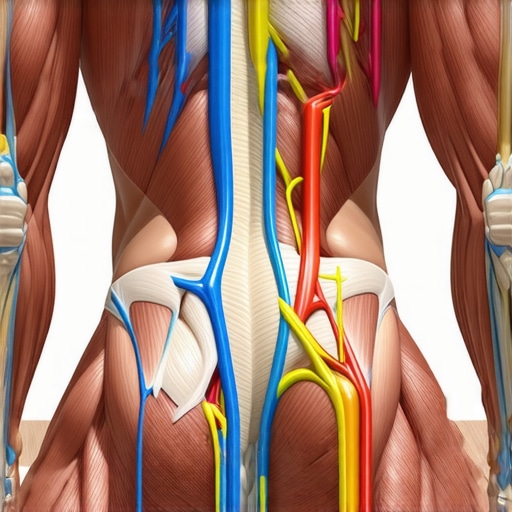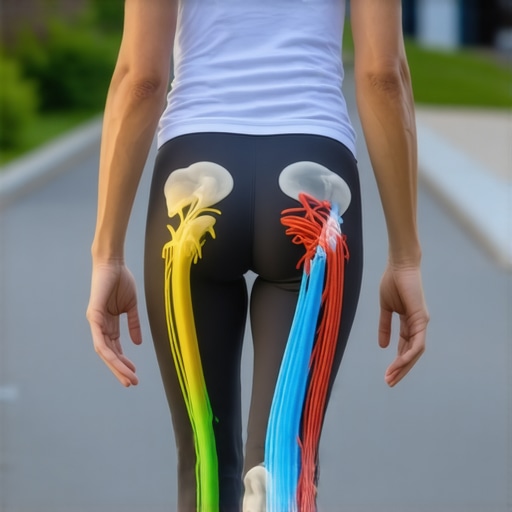
Have you ever finished a long day feeling that dull, piercing pain shooting down your leg, and wondered if it’s just part of getting older? I remember the exact moment I realized my walking habits might be secretly sabotaging my back—and honestly, it was a lightbulb moment that changed everything. For months, I brushed off my sciatic discomfort as typical exertion, but one day, I couldn’t ignore it anymore. That persistent ache, the numbness creeping down my thigh—those weren’t just random pains; they were my body’s way of signaling something needed attention.
Why Your Walking Form Could Be Causing Sciatica in 2026
In my personal experience—and after diving into expert advice—it turns out that our everyday habits, like how we walk, can significantly impact the health of our sciatic nerve. Specifically, improper walking posture or form can lead to nerve compression or irritation, often resulting in that infamous sciatic pain. It’s easy to overlook these small habits because they seem insignificant compared to more obvious injuries or issues, but over time, they build up and take a toll.
What’s fascinating—and a bit alarming—is that many people unknowingly adopt walking patterns that exacerbate existing problems or create new ones. For instance, I discovered that my tendency to lean to one side or take overly long strides was contributing to my discomfort. Sure, I thought I was just stretching my legs, but I was actually reinforcing a poor alignment that pinched my nerve. It’s a mistake I made early on, and I want to help you avoid the same pitfalls. You might be surprised to learn how small adjustments to your gait can make a huge difference.
If you’re experiencing persistent sciatic pain or numbness, it’s worth considering whether your walking form might be a hidden culprit. And trust me, addressing this can unlock a new level of relief and mobility. To better understand your situation, check out this critical guide on key symptoms that indicate back pain could be more serious.
Before we jump into practical fixes, I want to ask—have you noticed any unusual ways you walk or stand that might be contributing to your pain? Sometimes, the smallest habit changes are all it takes to get back on track and reclaim comfort in our daily lives. So, let’s explore how improving your walking form can help alleviate that nagging nerve pinching and set the stage for lasting relief.
Detect and Correct Your Walking Habits
To start, observe how you walk—do you lean to one side, take overly long strides, or shuffle your feet? I once caught myself mid-stride before a mirror and noticed I was tilting my pelvis slightly, unknowingly squeezing my sciatic nerve. Recording your gait with a smartphone can reveal these subtle quirks. Once aware, practice walking with an upright posture, keeping your hips level and engaging your core muscles to support your spine.
Strengthen Key Muscles to Support Proper Posture
Weak glutes and core muscles can contribute to poor gait, increasing sciatic nerve pressure. Incorporate exercises like gentle bridges, planks, and bird-dogs into your daily routine. I added three sets of glute bridges every morning, and within a week, I felt my hips stabilize better, reducing nerve compression. Focus on controlled movements, ensuring your core activates before stepping forward, preventing the pelvis from tilting or rotating excessively.
Fine-Tune Your Stride Length and Rhythm
Overstriding can cause heel-strike issues that ripple up the kinetic chain, aggravating sciatic pinches. Aim for a comfortable, mid-length stride, placing your foot directly beneath your hips with each step. Use rhythmic breathing to guide your pace: inhale as you prepare, exhale smoothly during each step. I experimented walking at a slower, more controlled tempo during errands, which relieved my nerve tension significantly over a few days.
Identify and Avoid Habitual Postural Traps
Look out for habits like crossing legs, slouching, or leaning forward while walking or standing. I realized that my habit of shifting weight onto one leg when waiting caused uneven hips and more pain. Making small adjustments—like evenly distributing weight and maintaining a neutral pelvis—aligned my spine better. Frequently checking your posture during movement can create new habits that protect your sciatic nerve over time.
Incorporate Mobility and Flexibility Drills
Adding daily mobility exercises, such as hip circles, leg swings, and gentle stretches, keeps your joints agile and reduces nerve compression. I dedicated five minutes to these drills each morning and noticed improved gait fluidity and less nerve irritation. These simple routines also help release tight muscles that tether your pelvis, alleviating pressure on your sciatic nerve; for more targeted relief, explore simple exercises that make a difference.
Re-evaluate and Adapt Regularly
Finally, consistency is key. Regularly reassess your walking pattern and muscle strength, adjusting your habits as you improve. Watching my progress over weeks, I reduced my sciatic discomfort by consciously maintaining good form, especially during lengthy walks. Remember, small, persistent changes in your gait can have a profound impact on reducing nerve irritation and restoring mobility in 2026.Many believe that back pain, neck pain, and sciatica are straightforward issues caused simply by poor posture or aging, but the truth is far more nuanced. A common myth is that these pains stem only from local factors—like herniated discs or muscle strains—but recent research indicates a complex interplay involving neural pathways, movement patterns, and even subconscious habits. For instance, experts like Dr. Stuart McGill emphasize that improper load management and subtle movement compensations can significantly influence pain persistence, often frustrating those who only treat surface symptoms.
Is Your Body Misreading Pain Signals? A Deeper Look at Nerve Sensitivity
It’s easy to overlook how nerve sensitization amplifies pain responses. Persistent poor movement habits can cause the nervous system to become hyperreactive, leading to chronic discomfort even after the original injury has healed. Addressing this requires more than just stretching or strengthening; it involves retraining your nervous system and movement patterns. For example, incorporating mobility routines like those outlined in simple exercises that make a difference can reset neural pathways and reduce pain sensitivity. A crucial trap is mistaking pain for damage, causing unnecessary rest or avoidance, which only exacerbates mobility issues. Instead, active movement and gentle neural resets are proven strategies. Remember, many individuals fall into the trap of ignoring the subtle signs of nerve hypersensitivity, believing their pain is permanent. That’s why understanding the distinction between pain caused by tissue damage versus nerve overactivity is essential. External studies, such as a 2021 review in the Journal of Pain, highlight that nerve sensitization plays a vital role in chronic musculoskeletal conditions and can be effectively managed through targeted movement therapies. Have you ever fallen into this trap? Let me know in the comments. Another nuance involves habitual postures and subconscious movement habits that keep your pain alive. For instance, favoring one side while standing or sitting can lead to muscle imbalances that reinforce pain cycles. Recognizing and correcting these habits through mindful movement is key. This is where detailed assessments, like those you can do at home or with a professional, help identify maladaptive patterns, facilitating targeted corrections. To recap, the most overlooked aspect of back, neck, or sciatic pain isn’t just what’s happening locally but how your nervous system and habits are entangled in the injury cycle. Addressing these deeper layers through a combination of neural resets, awareness, and movement re-education often yields more sustainable relief than surface-level remedies. Want to dive deeper into effective strategies? Explore how lasting sciatic relief is possible with the right approach. Take a moment to reflect—are you paying attention to the subtle cues your body is sending? Your path to resilience starts with awareness.Maintaining a healthy back and neck isn’t just about exercises—it’s about leveraging the right tools and strategies to ensure lasting mobility and pain relief. Personally, I rely on specific equipment and software that have transformed my approach to long-term spinal health. One of my favorite physical tools is the foam roller, particularly a dense, textured one. I use it daily to release tight muscles in my hips and lower back, which are often culprits in sciatic discomfort. The key is selecting a roller with firm surface density that allows deep muscle penetration without causing unnecessary strain. Incorporating targeted mobility drills, like those outlined in Mobility Mastery, amplifies these benefits, helping me maintain flexibility and prevent recurring issues. Besides physical tools, I utilize posture correction apps—like UPRIGHT or Perfect Posture—that remind me to stay aligned throughout the day, especially during long periods at a desk. These apps provide real-time feedback, preventing habits like slouching or leaning forward, which can aggravate neck and back pain. As technology advances, I predict a future where AI-driven posture coaching and wearable sensors will become standard, offering personalized insights that adapt to your daily movements. This proactive approach can make a significant difference in preventing chronic conditions. So, how do I keep my back and neck functioning at their best over time? It boils down to consistent use of these tools combined with mindful movement habits. Regularly integrating mobility equipment like foam rollers and using posture apps creates a resilient foundation, making pain and stiffness less likely to reappear. For instance, dedicating five minutes daily to foam rolling and posture checks can stave off the build-up of tension. If you want to elevate your routine, I highly recommend trying advanced mobility routines, such as the exercises found here, which can serve as a game-changer. Remember, investing in the right tools isn’t a one-time effort—it’s about building sustainable habits that support your spine’s health for years to come. Curious about further innovations? Stay tuned for more insights, and don’t hesitate to reach out via contact if you want personalized recommendations.
Three Surprising Lessons I Wish I Had Known Sooner about Back and Sciatica Relief
- Sometimes, the biggest breakthroughs come from recognizing how deeply our subconscious habits shape our pain. I used to dismiss small postural tendencies, but once I identified and corrected them, my progress accelerated.
- Strengthening muscles isn’t enough—alignment and neural comfort are equally vital. Engaging my core with deliberate precision and addressing nerve sensitization transformed my recovery journey.
- Technology can be an ally in maintaining spinal health. Devices like posture apps and mobility tools have empowered me to stay mindful and consistent, preventing setbacks and fostering sustainable wellness.
Tools and Resources That Changed My Approach to Back and Sciatica Care
- Foam rollers—A simple yet powerful way to release tight muscles and improve tissue quality. I swear by a dense, textured roller for targeted relief.
- Mobility routines—Consistent daily drills like hip circles and leg swings have kept me agile and reduced nerve compression.
- Posture correction apps—Real-time feedback from tools like UPRIGHT helps me maintain ergonomic awareness throughout busy days, preventing poor habits from sneaking in.
- Sciatica treatment guides—Expert strategies that target nerve health and mobility, which I incorporate regularly for holistic relief.
Step Into Your Power and Reclaim Flexibility and Comfort
Don’t let persistent pain define your life. Embrace the process, start small, and remember that real change is a journey of daily choices. Your future self will thank you for the effort you put in today to improve your back mobility and alleviate sciatica.
Are you ready to take that first step toward lasting relief? Share your experiences or questions below—I love hearing how others are navigating their healing journey.