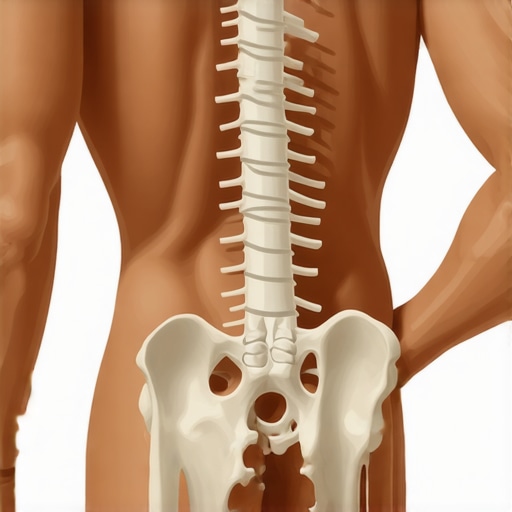
Just last week, I woke up feeling that familiar stiff discomfort, only to realize it was sharper than usual. As I shifted, a strange sensation crept from my hip to my lower back, making me wonder—could this pain be coming from my hips all along? That lightbulb moment changed how I approached my recovery, and I want to share what I learned, because chances are, you’re experiencing the same confusion.
Why So Many of Us Mistake Hip Troubles for Back Problems
It’s easy to assume back pain stems solely from our spine. After all, that’s what we’re told repeatedly, right? But here’s the kicker—research shows that up to 60% of people with lower back pain actually have issues originating from their hips (source: Body Renew Therapy). That means, all too often, we’re treating the wrong problem. I’ve made this mistake myself early on—ignoring hip mobility and focusing only on my back—only to find relief was in addressing my hips all along.
The real issue is that the muscles, joints, and fascia around our hips are intimately linked to our back health. When hips are stiff or misaligned, our backs compensate, leading to chronic pain. Recognizing this connection can be a game-changer, but it can also be confusing—especially when you’re suffering and just want quick relief. So, today, I promise to guide you through understanding this dynamic so you can start addressing the root cause, not just the pain.
¿Is It Worth Winding Through All These Back and Hip Mysteries?
Absolutely. In my experience, and backed by expert advice, misdiagnosing hip issues as back problems can prolong pain and even worsen it. I remember rushing into expensive treatments, only to discover that simple mobility exercises targeted at the hips made an instant difference. It often boils down to a simple misstep—focusing only on the area of pain, instead of the source. To avoid this mistake and get real results, it’s essential to learn how to differentiate between hip and back pain, a topic that we’ll explore in upcoming sections. Ready to finally uncover the truth behind your pain and take meaningful steps forward? Let’s dive into some practical insights and proven strategies.
Start with Gentle Hip Mobilization
Think of your hips like a hinge that gradually loosens up. I once spent 10 minutes doing gentle circular motions with a foam roller, similar to winding a clock I had neglected. This helped reduce initial stiffness and made subsequent stretches more effective. Incorporate hip circles or leg swings into your routine, performing 10 repetitions each to enhance mobility without overexerting.
Strengthen Your Hip Stabilizers
Imagine your hip muscles as the foundation of a building; if weak, the structure becomes unstable. I remember when I started doing side-lying leg lifts and clamshells, focusing on slow, controlled movements. These exercises activate the gluteus medius and minimus, crucial for stability. Aim for three sets of 15 reps, progressively increasing as your strength improves. This fortifies your hips against misalignment that contributes to back pain.
Integrate Functional Movement Patterns
Envision mimicking everyday motions to train your hips for real-life demands. I practiced kettlebell deadlifts, which felt messy at first, but I learned to engage my hips correctly and protect my spine. Focus on hip-hinge movements, ensuring your back remains straight, by hinging at the hips rather than bending your spine. Perform 3 sets of 8 repetitions, using light weights or resistance bands to master control.
Apply Stretching Techniques Regularly
Stretching is like oiling a squeaky door—necessary for smooth operation. I used pigeon pose and hip flexor stretches daily, which gradually eased tightness. Hold each stretch for 30 seconds, breathing deeply to facilitate muscle release. Consistency is key; over time, these stretches improve flexibility, allowing your hips to move freely and reducing compensatory back strain.
Monitor and Adjust With Proper Posture
Think of good posture as parking your car correctly—preventing undue strain. I noticed my back pain worsened after hours at my desk until I adopted ergonomic adjustments, such as elevating my monitor and maintaining a neutral spine. Regularly check your sitting position, ensuring hips are level and supported. This prevents hip stiffness from translating into back discomfort, completing the circle of effective management.
Many people believe that back and neck pain are straightforward issues rooted solely in the spine or muscles. However, this oversimplification often leads to ineffective treatments and prolonged discomfort. One prevalent misconception is that imaging like MRIs can always pinpoint the true cause of pain. In reality, studies show that MRI findings can be misleading, revealing abnormalities in asymptomatic individuals—so, a herniated disc doesn’t necessarily mean it’s the culprit behind your pain (source: Body Renew Therapy). Recognizing this nuance can prevent unnecessary procedures and focus your efforts on functional mobility and posture improvements.
Another common myth is that pain always signifies injury or damage. Many individuals experience chronic discomfort due to poor movement patterns, stiffness, or neural sensitivities rather than tissue degeneration. For example, nerve irritation like sciatica isn’t always about a pinched nerve from a herniated disc; sometimes, it results from tight musculature or fascia restrictions that compress nerves intermittently (see neck pain solutions). This highlights the importance of addressing mobility and fascia health instead of just focusing on the disc or joint structure.
Many practitioners fall into the trap of oversimplifying treatment to passive modalities such as injections or bed rest. In my experience, and supported by current research, active interventions—like targeted mobility exercises, strength training, and ergonomic adjustments—offer more sustainable relief. The idea that rest cures all is outdated; movement encourages tissue remodeling and neural desensitization, which are crucial for lasting recovery.
Now, let’s answer a question that often trips up even seasoned clinicians:
How can subtle movement dysfunctions perpetuate chronic pain despite normal imaging?
– It might seem counterintuitive, but subtle movement faults—like incomplete hip hinge patterns, asymmetrical loading, or restricted thoracic mobility—can keep pain cycles going. These dysfunctions alter load distribution and cause compensatory overuse of painful areas, reinforcing pain patterns even when structural issues aren’t visible on scans. Addressing these requires a detailed mobility assessment and tailored corrective strategies, emphasizing personalized movement therapy over generic treatment plans (see sciatica treatments). Recognizing and correcting these nuanced faults can be the difference between temporary relief and long-term healing.
Avoid falling into the trap of isolating pain to a single structure or relying solely on passive treatments. Instead, prioritize comprehensive mobility and posture strategies, which target the root causes often hidden beneath surface symptoms. Have you ever fallen into this trap? Let me know in the comments. For a personalized assessment and guidance, consider reaching out through our contact page.
Keep It Working: Tools I Recommend for Long-Term Relief
When it comes to managing back pain, neck discomfort, or sciatic issues, having the right tools can make all the difference in maintaining progress and preventing setbacks. Throughout my journey, I’ve found that specific equipment and software not only support ongoing mobility but also empower you to customize your routines for lasting results.
One of my go-to devices is a foam roller with targeted density. I prefer the rigidity of the TriggerPoint GRID Foam Roller because it provides deep tissue massage that effectively releases fascia restrictions, a common cause of chronic pain (see boost your back mobility). I incorporate it daily to keep my tissues supple, especially after long hours at a desk or during mornings. For precision, I use a massage ball, like the Gaiam Restore Muscle Therapy Ball, to target smaller, hard-to-reach areas around my hips and shoulders, which often harbor tightness that influences back and neck pain.
Additionally, I rely on posture correction gadgets such as ergonomic smart devices—examples include the Lumo Lift Posture Coach. This wearable provides real-time feedback on your posture, encouraging awareness and adjustments that prevent misalignment. Consistent use has significantly reduced the stiffness linked to poor habits—something that contributes to long-term discomfort.
To track and refine my mobility routines, I use apps like PT Pal or Mobility Daily. These programs offer guided exercises tailored to pain locations and mobility goals. I appreciate their customizable approach, allowing me to focus on hip hinges or cervical stretches, ensuring my routines evolve with my progress and lifestyle changes. As your understanding deepens, leveraging such digital tools can greatly enhance adherence and effectiveness.
What does the future hold in mobility maintenance technology? I predict increased integration of AI-driven assessments, providing personalized recommendations based on real-time movement analysis. This evolution will make targeted interventions more accessible, efficient, and tailored for sustained relief.
Remember, consistency with these tools is key. Incorporate them into your daily routine, and over time, you’ll notice improvements in mobility, posture, and pain reduction. Don’t forget that combining equipment use with expert guidance offers the best results—consider booking a session with a specialist who can refine your technique or suggest adjustments.
Now, I challenge you to try one of these advanced tools—perhaps the foam roller or posture device—and observe how your body responds. Small, consistent steps lead to significant long-term benefits.
If you’re interested in personalized advice or need help selecting the right tools for your condition, reach out via our contact page.
What I Wish I Knew About My Body’s True Limits
One of the most eye-opening lessons I learned was that pain isn’t always about injury; often, it’s a sign that my movement patterns are off. Recognizing subtle misalignments saved me months of unnecessary treatments and gave me control over my recovery journey.
My Realization About Mobility Tools
Initially, I wasted time on generic exercises, but discovering specific tools like foam rollers and posture gadgets tailored to my needs made all the difference. Trusting these equipment choices helped me build sustainable habits and maintain progress over time.
Dealing with the Emotional Side of Pain
Understanding that chronic pain often involves neural sensitization rather than structural damage was a breakthrough. Managing frustration and staying committed to movement routines transformed my outlook and kept me motivated despite setbacks.
Shared Wisdom for Lasting Change
Consistency is key. Small daily habits—whether gentle stretches, posture checks, or mindful movement—compound over time. Embracing this approach allowed me to regain mobility and reduce discomfort more effectively than relying solely on passive therapies.