
I remember the moment clearly. I was stuck in morning traffic, knees aching, back stiffening by the minute. It hit me suddenly—my posture behind the wheel was contributing more than I realized to that nagging sciatic pain. That lightbulb moment changed everything. If you’ve ever experienced that dull throbbing shooting down your leg, you know how disruptive it can be, especially if it’s linked to your daily drive. For many of us, the car isn’t just transportation; it’s an extension of ourselves, and poor posture there can trigger or worsen chronic pain, heading into 2026 with a vengeance.
Why Your Driving Posture Matters More Than You Think
A startling study reveals that poor seating and driving ergonomics can increase pressure on your lumbar discs and nerves, amplifying issues like sciatica. And believe me, I learned this the hard way—by ignoring my alignment, I was inadvertently fueling my pain. Today, I want to help you avoid that mistake. Together, we’ll explore practical, actionable steps to get your posture right, helping you drive comfortably without the fear of flaring up sciatic flare-ups. If you’re asking yourself, “Could my daily commute be making my condition worse?” then you’re in the right place. Let’s get started.
Is Fixing Your Posture Actually Worth the Effort?
Early on, I dismissed the importance of sitting properly—thinking it was just about comfort. But that mistake made me realize how easy it is to overlook the small habits that impact long-term health. Correcting your posture isn’t just about feeling better in the moment; it’s about preventing pain before it gets worse. And yes, it’s absolutely worth it. Proper ergonomic adjustments and conscious habits can make a huge difference, as detailed in [this comprehensive guide on improving back mobility](https://bodyrenewtherapy.com/boost-your-back-mobility-simple-exercises-that-make-a-difference). So, are you ready to take control and stop your driving habits from sabotaging your health? Let’s dive into effective solutions that will keep you comfortable and pain-free, even during long drives.
Adjust Your Seat Position for Better Alignment
Start by setting your seat height so your hips are level with or slightly above your knees. Sit back fully in the seat, making sure your lower back is supported. I once spent 10 minutes fiddling with my seat height and recline angle; the next drive, I felt a noticeable decrease in lower back strain. Proper seat positioning aligns your spine, reducing pressure on your lumbar discs and nerves.
Set the Seat Height and Distance
Use a mirror or ask someone to help ensure your knees are slightly bent when pressing the pedals. Keep your back flush against the seat back to maintain lumbar support. This prevents you from slouching forward, which can increase sciatic nerve compression.
Optimize Your Steering Wheel and Pedal Placement
Adjust the steering wheel so your hands are comfortable at the 9 and 3 o’clock positions without overreaching. Your elbows should be slightly bent, which keeps your shoulders relaxed. I once neglected this and ended up with shoulder tension; correcting my grip immediately lessened neck discomfort. Proper positioning minimizes muscular strain across your upper back and neck.
Maintain Neutral Neck Posture
Ensure your head is aligned with your spine, not tilted forward or to the side. Use a headrest that supports the middle of your head. I experimented with different headrest heights, and when aligned properly, my neck pain subsided significantly. Keeping your neck in a neutral position prevents nerve compression and tension buildup.
Implement Supportive Posture Habits During Long Drives
Take short breaks every hour to stretch and reset your position. Use lumbar pillows or rolled towels placed at the curve of your lower back for added support. I made a habit of pulling over and doing quick stretches; those moments dramatically decreased my sciatic flare-ups.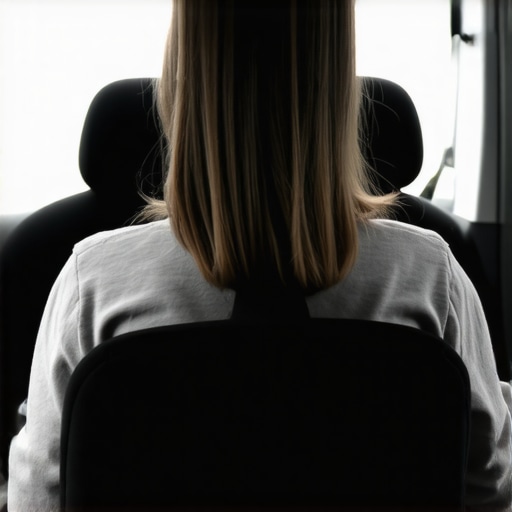
Stretch and Move Regularly
Incorporate gentle stretches such as piriformis and hamstring movements to loosen tight muscles that can entrap nerves. For example, the seated pigeon stretch is effective and can be done in the car when parked. These simple routines relieve nerve pressure and improve mobility.
Avoid Common Habits That Worsen Pain
Resist the urge to cross your legs or slump forward, which can increase pressure on the lower back and sciatic nerve. Instead, keep your feet flat on the floor, distribute weight evenly, and aim to sit upright. Changing these small habits can make a real difference in your pain levels.
Practice Conscious Posture Awareness
Remind yourself periodically to check if your shoulders are relaxed, back is supported, and head is aligned. Over time, these adjustments become instinctive. During a rough patch, I kept a visual cue on my dashboard as a reminder to sit correctly, avoiding painful flare-ups.
Many individuals believe that alleviating mobility issues or chronic pain is simply about stretching more or taking painkillers, but this oversimplification misses critical nuances. A common myth is that pain always correlates directly with injury severity; however, research shows that pain perception is heavily influenced by neurological and psychological factors, making it a complex experience rather than a straightforward signal of tissue damage. For instance, some patients with significant structural abnormalities, like herniated discs, report minimal discomfort, while others with minor issues experience debilitating pain. This discrepancy underscores the importance of understanding the nervous system’s role in pain perception, a concept often overlooked by mainstream approaches. Additionally, many people focus solely on flexibility without considering joint stability and motor control, which are essential for sustainable mobility improvements. Overemphasizing stretching without strengthening surrounding musculature can lead to instability and recurrent injuries—something I experienced firsthand when I underestimated the importance of proper muscle engagement. For those seeking a deeper understanding, exploring how proprioception—the body’s ability to sense its position—affects movement can be transformational. Improving proprioception enhances neuromuscular control, reducing the risk of injury and aiding recovery. Experts like Dr. Lorimer Moseley emphasize that pain is a protective output from the brain, shaped by prior experiences and expectations. This means that sometimes, the best approach isn’t just physical but also involves cognitive strategies to reframe pain perceptions. Beware of the trap of blind adherence to rigid routines; instead, cultivate mindful awareness during movements to detect and correct compensations that might reinforce poor habits. For advanced readers asking whether common interventions address the root cause or just symptoms, the answer lies in understanding the complex interplay between mobility, neural processing, and emotional health. Integrating posture correction, mobility exercises, and neuroplasticity techniques can lead to more lasting results. To deepen your grasp, consider reviewing studies like those published in the Journal of Pain that explore the biopsychosocial model of pain management. Remember, effective recovery involves more than just physical fixes—it’s about rewiring your body’s responses and building resilient movement patterns. Have you ever fallen into this trap? Let me know in the comments.Maintaining your mobility and managing back pain requires more than just exercises; it involves using targeted tools and strategies that support your long-term health. One essential piece of equipment I personally recommend is a **lumbar roll or support pillow**. This simple device can be inserted into your chair or car seat to promote proper lumbar curvature, reducing strain on your lower back during daily activities. I use a memory foam lumbar support because it molds perfectly to my spine, ensuring sustained comfort and alignment throughout the day. Regularly updating your ergonomic setup is crucial, especially as your body adapts over time. Transitioning from generic solutions to specialized tools like posture correctors or mobility devices can make a significant difference in preventing flare-ups.
How do I maintain my mobility gains over time?
Consistency is key. Incorporate daily mobility routines, such as those outlined in this guide on simple exercises, into your schedule. Additionally, I integrate technology like posture tracking apps—such as Upright or Lumo Lift—that gently remind me to sit upright, encouraging mindfulness throughout the day. These digital tools are advancing rapidly, with future trends pointing toward integration with wearable tech that provides real-time feedback and personalized coaching. Investing in such tools ensures that good habits become automatic, making long-term back health more manageable.
Advanced tip: Use neuroplasticity techniques to reinforce good movement patterns
Recent studies, including work by Dr. Lorimer Moseley, highlight that retraining your nervous system can dramatically improve pain outcomes and mobility. Techniques like mindful movement and visualization can rewire neural pathways associated with pain and poor posture. I challenge you to try a daily 5-minute neuroplasticity exercise; it has personally helped me solidify better movement habits and reduce the frequency of flare-ups. For in-depth guidance, consider exploring strategies detailed in this article on neural pathways and posture. Ultimately, combining physical tools with mental techniques creates a robust approach for lasting mobility. Remember, consistency and the right tools are your best allies in this journey toward healthier movement and pain-free living.Reflecting on my journey with back pain, I realized that the most profound lessons came from the moments I thought I had already understood. One of the hardest lessons I learned was that seemingly small habits—like how I adjusted my car seat or how I crossed my legs—could have outsized impacts on my sciatic nerve health. These realizations taught me that vigilance and intentionality in daily posture practices are critical, especially when dealing with chronic pain. Moreover, I discovered that relying solely on stretches or pain relief remedies isn’t enough; true progress stems from rewiring our neuromuscular responses. Lastly, I understood that ongoing education and using the right tools can empower you to maintain mobility and prevent flare-ups long-term, transforming your approach from reactive to proactive.