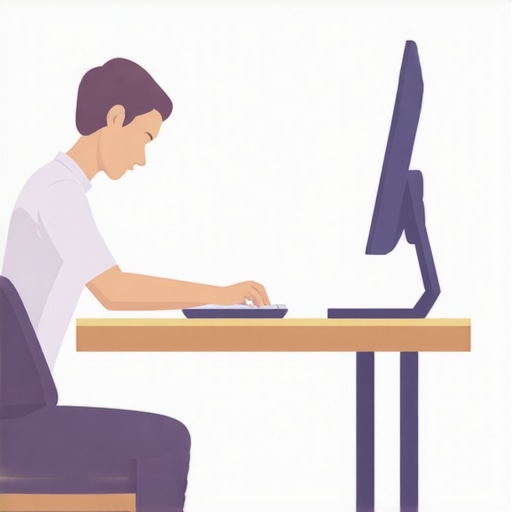
I remember the exact moment I realized my daily tech habits were taking a toll on my body. Sitting in my home office, I watched my neck stretch uncomfortably as I scrolled through yet another long email thread. The pain started as a dull ache but quickly evolved into a shooting sensation that made even simple tasks feel daunting. It was a lightbulb moment—my beloved laptop was quietly sabotaging my health.
Why Ignoring Neck Strain Could Cost You More Than Just Discomfort
If you’re like me, you probably spend hours hunching over your device, thinking it’s just a minor inconvenience. But the truth is, this persistent posture can lead to chronic pain, reduced mobility, and even nerve issues like sciatica. According to recent studies, over 70% of adults experience some form of tech-related neck pain, and many dismiss it as normal wear and tear—until it becomes unbearable. I made this mistake early on, ignoring the warning signs, which only worsened my condition.
Will Fixing Your Tech Setup Actually Make a Difference?
I used to believe that posture corrections and ergonomic tweaks were just buzzwords, but I was wrong. Small adjustments, like proper monitor height and mindful device usage, transformed my daily comfort. If you’re feeling skeptical, remember—simple changes can lead to lasting relief. Curious how I turned things around? Let’s dive into four effective fixes to protect your neck in 2026 and beyond. Ready to experience real change? Keep reading—they’re easier than you think and backed by proven strategies. For more detailed tips, you might find this article on neck pain solutions helpful.
Adjust Your Screen Height for Better Alignment
This was my first real breakthrough. I remember stacking books under my monitor to raise it to eye level while working. Initially, it looked messy, but the immediate relief in my neck was undeniable. Position your monitor so that the top of the screen is at eye level, which reduces the strain of looking down or up—akin to tilting your head back when you want a better view of the horizon. Proper screen placement minimizes the need to crane your neck, preventing muscle fatigue and nerve compression. Check out this guide for easy exercises to boost your overall mobility.
Implement Micro-Movements During Your Day
One day, I set an hourly reminder to stretch and move my neck gently. Moving your head in small circles or tilting side to side enhances blood flow and prevents stiffness that builds up from static posture. Think of your muscles like a rubber band—constant tension causes it to weaken, but gentle stretches keep it resilient. Incorporate neck rolls, shoulder shrugs, and chin tucks into your routine. These micro-movements serve as micro-reboots for your muscles, much like restarting a sluggish computer to boost efficiency. Start with 2-minute intervals every hour, and you’ll notice less tension and more flexibility over time. For in-depth mobility practices, visit this resource.
Strengthen Your Neck and Upper Back Muscles
Building resilience is key. I began incorporating simple exercises like prone Y’s and T’s, lying face down and lifting my arms in specific positions. These movements activate your upper back and neck stabilizer muscles, much like tightening the braces on a building’s scaffolding to prevent collapse. Consistent strength training reduces the likelihood of tension and allows your posture to hold naturally. A weak upper back creates a domino effect, leading to forward head posture and neck strain. Start with 10 reps of each exercise daily. Over time, you’ll develop a sturdy support system for your neck, easing the day-to-day discomfort. Want a detailed plan? Check out this ergonomic-focused guide.
Practice Deep Breathing to Reduce Stress-Related Tension
Stress tightens muscles as if you’re holding a permanent knot. I noticed my neck pain worsened during busy mornings filled with deadlines. Deep diaphragmatic breathing helped me relax these tense muscles, similar to releasing pressure from a squeezed sponge. Breathe in slowly through your nose, expanding your belly, then exhale fully through your mouth. Repeat for 5 minutes to activate your parasympathetic nervous system. This not only eases muscle tension but also clears your mind, allowing better posture awareness. For techniques tailored to stress relief and mobility, explore this approach.
Adopt Ergonomic Habits for Long-Term Relief
Finally, consistent ergonomic habits cement these improvements. I spent time adjusting my chair height, lumbar support, and keyboard position. Think of your workspace as a well-tuned vehicle; every component must work together smoothly. Regularly reassess your setup, and make small tweaks as needed. This proactive approach prevents the build-up of bad habits that lead to chronic pain. For more detailed ergonomic tips, visit this comprehensive resource.
Many people believe that simply stretching or strengthening their muscles is enough to resolve chronic neck and back pain, but this oversimplification can actually hinder progress. A common misconception is that mobility issues stem solely from muscle tightness; however, dysfunctional movement patterns and faulty motor control often play a critical role. For instance, engaging in isolated exercises without addressing the root cause can lead to compensations that exacerbate pain instead of alleviating it. Expert insights suggest that focusing solely on flexibility neglects the importance of proper neural activation and coordination. A particularly insidious trap is mistaking stiffness for safety—believing that tight muscles protect the spine, when in reality, they may be guarding instability or weakness elsewhere. This can lead to persistent discomfort and even injury over time. To truly improve mobility, one must consider the complex interplay between joint mechanics, soft tissue quality, and neuromuscular control. Advanced practitioners emphasize assessing movement quality through functional tests before prescribing targeted interventions. For example, addressing poor movement patterns with corrective exercises can dramatically accelerate recovery and prevent future setbacks. Recognize that not all pain responds to generic stretching routines; instead, tailored approaches grounded in biomechanical understanding are key. Studies from leading physiotherapists highlight that integrating mobility drills with motor control training enhances outcomes significantly (see [this resource](https://bodyrenewtherapy.com/understanding-the-link-between-poor-posture-and-chronic-back-pain)). Be cautious of the trap of over-relying on passive modalities or superficial fixes—these often mask symptoms rather than resolve underlying dysfunctions. Instead, adopting a comprehensive, system-based approach ensures sustainable improvements. Remember, true mobility is not just about increasing range but restoring optimal movement patterns that protect your spine and joints. If you’re seeking profound and lasting relief, consider consulting professionals who can guide you through personalized assessments and advanced mobility strategies. Have you ever fallen into this trap? Let me know in the comments!
Maintaining long-term mobility and relief from neck and back pain requires more than just exercises; it demands the right tools and consistent routines. Over the years, I’ve refined my set of equipment and software that help manage and prevent pain, ensuring I stay active and comfortable. One essential tool I swear by is a high-quality ergonomic chair like the Herman Miller Aeron. Its adjustable features allow me to fine-tune my seating position, reducing strain during lengthy work sessions. Additionally, I use a monitor arm to position my screen at eye level, which minimizes neck tension—I’ve found that this simple setup adjustment can dramatically improve posture and reduce discomfort.
For mobility, I rely on foam rollers and massage balls. The TriggerPoint GRID foam roller is my favorite for targeting tight muscles along my back and neck, especially after long periods of sitting. Regular myofascial release helps prevent stiffness and promotes circulation. To track my progress and stay accountable, I use apps like Upright GO, a posture trainer that gently vibrates when I slouch. These devices serve as constant reminders to maintain proper alignment, making ergonomic discipline easier to sustain over time.
Looking ahead, I predict that wearable technology will become even more integrated into pain management regimes, with smart fabrics and biofeedback devices providing real-time data. For example, emerging research suggests that neurofeedback headbands could help retrain muscle activation patterns associated with chronic pain, a fascinating development mentioned in the work of Dr. Michael Merzenich’s team here.
How do I maintain these tools for lasting results?
Consistency is key. I set regular reminders to calibrate my ergonomic setup, perform mobility exercises, and update my technology. Cleaning my foam rollers regularly ensures they remain effective, while updating my posture-tracking app keeps feedback accurate. Incorporating these tools into a daily routine creates a proactive approach, preventing issues before they escalate. For practical tips on enhancing mobility and making the most of your tools, check out this guide.”
Start by choosing one advanced tip above—like integrating a posture trainer—and commit to it for a week. Notice the difference it makes in your daily comfort and mobility. Your body will thank you, and you’ll be well on your way to healthier movement patterns that last.
The Hidden Lessons That Changed My Approach to Mobility and Pain Management
One of the most eye-opening realizations I had was that addressing neck and back pain isn’t just about isolated stretches or quick fixes. It’s about understanding the intricate dance between neural control, movement patterns, and muscle resilience. I learned that sometimes, pushing harder on weak muscles or stretching tight ones without addressing underlying coordination can do more harm than good. The lightbulb moment came when I recognized that improving mobility requires a holistic strategy—integrating strength, neural retraining, and lifestyle changes instead of relying solely on traditional exercises.
Tools and Resources That Transformed My Journey
I found that investing in quality ergonomic equipment made a significant difference, especially an adjustable chair like the Herman Miller Aeron, which allows personalized support. Foam rollers such as the TriggerPoint GRID became my daily go-to for fascia release, helping me prevent stiffness. Digital tools like posture training apps, including Upright GO, provided real-time feedback, turning habit formation into a game. Additionally, books like “The Crooked Spine” by Dr. Stuart McGill opened my eyes to the importance of core stability and movement preservation. These resources are trustworthy because they address the root causes and encourage sustainable habits that align with my body’s natural mechanics.
Your Next Step in Mastering Mobility and Relief
Remember, lasting mobility and pain relief aren’t achieved overnight, but every little step counts. Embrace the journey with patience and curiosity—try one new technique, tweak your workspace, or explore a new resource today. The key is consistency and a willingness to learn about your unique body. Don’t let past frustrations hold you back; the progress you deserve is within reach. Your body is capable of incredible self-healing when given the right tools and understanding. Are you ready to make a meaningful change today? Share your experiences or questions below, and let’s support each other in achieving lasting relief.


Reading this post really hit home for me. I’ve been guilty of neglecting proper ergonomics while working from home, often hunching over my laptop without realizing the strain it causes. The part about micro-movements resonated with me especially—I’ve started setting hourly reminders to stretch and loosen up my neck and shoulders, and the difference is noticeable. I’d love to hear more about effective daily routines to maintain good posture throughout a busy day. Does anyone have suggestions for quick, sustainable habits that can become part of a hectic schedule? Also, I’m curious, how have others managed to implement these small changes consistently without feeling overwhelmed? I believe that integrating these simple practices can truly prevent long-term pain, but staying committed can often be the biggest hurdle.