
Is Your Office Chair Too High? Check Your Hips
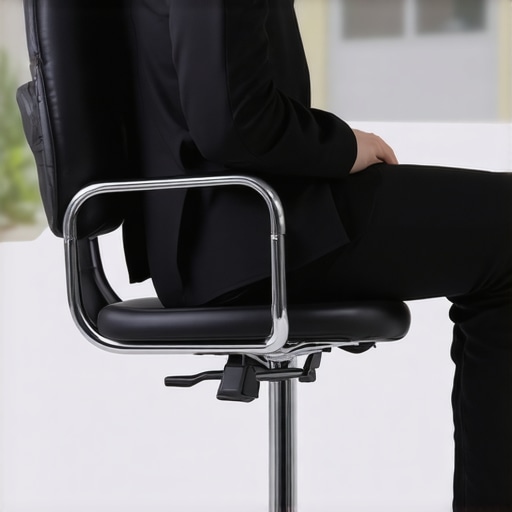
I remember the first time I felt that sharp, shooting discomfort down my hip after a long day at my desk. I was sitting in my office chair, thinking I was doing everything right—ergonomic setup, proper screen height, even a casual stretch now and then. But that pain persisted, stubborn and unyielding. It was a lightbulb moment for me: perhaps, the culprit wasn’t just my back or my posture, but something more subtle—like the height of my chair in relation to my hips.
Why Your Office Chair Might Be Causing More Pain Than You Realize
For years, I ignored the uncomfortable sensation, chalking it up to “just getting older” or “bad luck.” That was a mistake. The truth is, the position of your hips relative to your office chair plays a huge role in your overall well-being during those hours we spend sitting. If your hips are positioned too high, it can cause misalignment, leading to increased pressure on your lower back, hips, and even your knees. In fact, studies show that poor seating ergonomics can significantly contribute to chronic pain syndromes, including sciatica and hip discomfort (source).
In my case, I had been using a chair that was slightly too tall for my frame, causing my hips to tilt upward and my pelvis to rotate forward. Over time, this created a cascade of discomfort that I couldn’t ignore anymore. It was clear I needed to address the issue at its root, and that meant checking my hips and my chair’s height. This realization prompted me to discover simple adjustments and exercises that transformed my daily comfort.
Could Your Chair Be the Hidden Source of Your Pain?
Early on, I made a common mistake: I focused solely on my back, ignoring how my hips might be influencing my pain. That simple oversight prolonged my discomfort unnecessarily. Learning to recognize and fix this subtle imbalance made all the difference. If you’ve been experiencing persistent discomfort after sitting for long periods, it might be time to examine your hip positioning and the height of your chair. Want to find out more? Check out easy exercises to boost your back mobility. Now, let’s explore how adjusting your seat height can set the stage for lasting relief.
Adjust Your Seat Height for Better Pelvic Alignment
Start by sitting upright on your chair with your feet flat on the ground. Your knees should form roughly a 90-degree angle, with your hips slightly higher than your knees. If your hips are tilted forward or backward excessively, your pelvis isn’t in a neutral position, which can lead to discomfort. I once adjusted my chair’s height and realized how a small change immediately reduced the pressure on my lower back and hips. It’s a straightforward fix that can make a big difference.
Ensure Your Hips Are At or Just Slightly Above Your Knees
Adjust your chair so that your hips are at an equal or slightly higher level than your knees. This position encourages a natural lumbar curve and prevents your pelvis from tilting forward, which can cause sciatica-like pain. To achieve this, raise or lower your chair incrementally while sitting, and check your hip alignment. When I did this, I noticed an immediate decrease in hip stiffness and back tension. Remember, small tweaks yield significant benefits.
Use a Footrest if Necessary
If your chair height can’t bring your hips to the correct level because your feet don’t comfortably reach the floor, incorporate a footrest. This helps maintain proper hip positioning without compromising your leg comfort. I experimented with a stack of books before investing in a proper footrest, which stabilized my hips and alleviated pressure points. Proper support is key to maintaining neutral pelvis and avoiding misalignment.
Leverage Simple Exercises to Reinforce Proper Positioning
While adjusting your chair, incorporate gentle hip mobility exercises. For example, the hip hinge movement helps activate muscles critical for pelvic stability. I practiced this during my breaks; over time, it trained my hips to stay in proper alignment even when I was away from the desk. Combining ergonomic adjustments with targeted movements ensures long-term relief.
Check Your Desk and Monitor Height
Your workspace setup influences your pelvis’s position. When your monitor is too low or high, you unconsciously shift your posture, affecting hip alignment. Make sure your screen is at eye level, and your keyboard and mouse are positioned so your elbows remain close to your sides. During my adjustment, I noticed less twisting in my hips and a significant reduction in muscle fatigue. Good ergonomics extend beyond just the chair; consider the entire workspace.
Evaluate and Reassess Regularly
Set a reminder to periodically revisit your seating arrangement. As your body adapts or if you gain/lose weight, your optimal position may shift. I learned to listen to my body’s signals—if I started feeling discomfort, I would reassess my setup. This proactive approach minimizes the risk of chronic issues and supports your back and hips in the long run. For more detailed ergonomic tactics, check out ergonomic tips for everyday comfort.
Many people believe that back pain is always caused by a simple muscular strain or spinal disc issue, but in reality, this oversimplification can lead to ineffective treatments. A widespread myth is that rest is the best remedy, yet recent studies show that staying active and engaging in targeted mobility exercises are often more beneficial for long-term relief (source). Additionally, some assume that once pain subsides, the underlying problem is gone, but without addressing the root causes—like poor ergonomics or movement habits—the pain can return unexpectedly. It’s crucial to understand these nuances to avoid common pitfalls and to implement strategies that promote genuine healing.
Maintaining relief from back pain, neck discomfort, or sciatica requires more than just occasional stretches or ergonomic tweaks; it involves consistent use of targeted tools and practices that reinforce healthy movement patterns. Over the years, I’ve tested various equipment and software to ensure my long-term mobility and pain-free function. Here’s a rundown of what I personally rely on to keep everything working smoothly.
Invest in a Quality Ergonomic Chair and Adjustable Desk
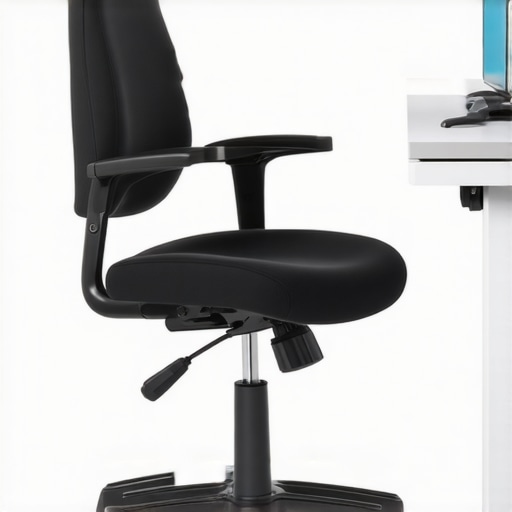
Beyond the basics, I recommend a high-quality ergonomic chair with adjustable lumbar support and seat height. I personally use the HÅG Capisco because its dynamic sitting encourages better pelvic tilt and reduces stiffness. Paired with an adjustable sit-stand desk, it allows me to switch regularly between sitting and standing, preventing the slump that often worsens sciatica and neck pain. Regularly alternating positions is supported by research showing that dynamic postures promote spinal health and decrease chronic discomfort (source).
Utilize Smart Posture Monitoring Devices
To stay aware of my alignment throughout the day, I rely on devices like the Upright GO 2. It vibrates gently when I slouch or lean forward, helping me correct my posture in real-time. This biofeedback loop has been vital in ingraining better habits, especially during long work sessions. The science behind such devices suggests they can significantly reduce the tendency to adopt harmful postures, which are common culprits behind chronic neck and back pain.
Incorporate Foam Rollers and Mobility Tools
Maintaining mobility and releasing tension is crucial. I personally use a Grid Foam Roller combined with my favorite hip mobilization exercises. Regular rolling helps break down adhesions, improve tissue elasticity, and keep my sciatic nerve and hip muscles flexible. For targeted relief, I also keep a Trois Foam Roller with a narrower surface that targets specific trigger points, especially around the pelvis and lower back.
Leverage Digital Resources for Consistency
Beyond physical tools, I use professional-guided programs available through platforms like online tutorials for neck and back health. These offer structured routines that I can follow daily, ensuring I consistently strengthen and stretch the right muscles. Regularly revisiting these resources helps me adapt to changes in my body and avoid setbacks.
Where Is This Trend Going? The Future of Back and Neck Care Tools
Emerging technologies like AI-driven posture correction, wearable sensors for real-time feedback, and app-connected mobility trackers are poised to revolutionize how we maintain back health. Advancements will likely make proactive self-care more accessible, personalized, and effective, reducing reliance on reactive treatments. Keep an eye on innovations such as smart sensors embedded in everyday objects—like chairs, beds, or even clothing—that will help detect and correct poor postures before pain develops.
How do I keep this all working over time? Which tools should I lean on?
The key is consistency. I schedule daily routines incorporating my ergonomic setup, posture sensors, and foam rolling exercises. Regularly assessing my equipment, updating software, and practicing active movement during breaks helps me maintain the gains I’ve made. For anyone serious about long-term relief, I encourage trying out advanced tools like the Upright GO 2 or exploring professional programs that align with your lifestyle. Remember, small daily investments in these tools can prevent long-term setbacks and support a healthier, more mobile spine.
If you’re ready to deepen your mobility practice, consider integrating a dynamic sitting approach with programmable reminders or even wearable tech. Taking these steps now will pay dividends as you age, keeping your back and neck moving freely and comfortably for years to come. For personalized guidance, don’t hesitate to reach out.
Throughout my exploration of back pain, sciatica, and mobility, I’ve uncovered insights that often go unnoticed in mainstream advice. One of the most profound lessons I learned is that addressing posture isn’t just about mechanical adjustments—it’s about reshaping habits and mindsets. For example, realizing that my daily stress levels directly affected how I carried tension in my neck and hips shifted my entire approach to recovery. This taught me that genuine relief often begins with awareness and small, consistent changes, rather than drastic overhauls.
The Secrets I Wish I Knew About Long-Term Relief
- Micro-movements matter more than you think. Incorporating brief, targeted movement breaks every hour can prevent stiffness from creeping in again. I discovered that even five minutes of simple hip hinge exercises kept my back flexible and reduced discomfort.
- Your environment can sabotage your progress. Ergonomics isn’t just about furniture; it’s about creating a space that encourages healthy movement patterns. Investing in a sit-stand desk and using a posture monitor helped me stay mindful and avoid slipping into poor habits.
- Mindfulness ties it all together. Paying attention to how pressing visual, emotional, or physical stress impacts my body allowed me to catch tension early. Practicing deep breathing and body scans improved my posture before pain even registered.
- Consistency beats intensity. Regular, small adjustments and habits are more sustainable and effective than sporadic, strenuous efforts. Stick with small routines, like daily mobility drills, for lasting benefits.
- Listening to your body’s signals is a superpower. That nagging ache or tightness is a messenger. Honoring these signals and addressing them promptly prevented chronic issues from developing.
Tools and Resources That Transformed My Approach
- High-quality ergonomic chairs and sit-stand desks—I trust my HÅG Capisco for dynamic sitting that fosters better pelvic alignment.
- Posture monitoring devices like Upright GO 2, which provide real-time feedback and help embed healthy habits into daily routines.
- Foam rollers and mobility tools such as the Grid Foam Roller, essential for maintaining tissue elasticity and releasing tension around the hips and lower back.
- Educational programs and guided routines from trusted sources like mobility specialists that keep me accountable and ensure my exercises are effective.
Step Into Your Power and Reclaim Comfort
My journey taught me that relief isn’t a destination but a continuous process of self-awareness, regular habits, and embracing tools that support mobility. You possess the ability to transform your sitting experience into one that nurtures your body rather than harms it. Start small, stay consistent, and celebrate the progress—your back and neck will thank you for it.
What adjustments have you tried so far, and how did they impact your discomfort? Share your experiences below—I’d love to hear your story!