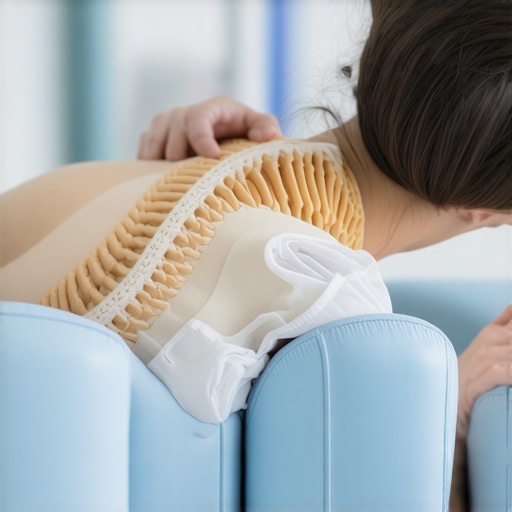
I remember the moment vividly. I was hunched over my desk, feeling that familiar ache creeping into my neck. It was the kind of pain that refuses to go away, no matter how many stretches I tried or painkillers I popped. Frustration turned into a lightbulb moment—there had to be a better way.
Why Neck and Back Pain Keep Coming Back and What You Can Do About It
For years, I believed quick fixes were enough. I’d pop a pill or do a quick stretch, only to find the pain sneaking back in hours later. It wasn’t until I started looking at the bigger picture that I realized lasting relief was possible. It’s not just about treating symptoms; it’s about changing habits, understanding your body, and adopting proven strategies that make a real difference.
Is Short-Term Relief Really Worth It?
I used to think so. But I learned the hard way that temporary fixes only delay the inevitable. The real game-changer came when I committed to a comprehensive approach, blending physical activities, posture improvements, and lifestyle tweaks. And let me tell you, it’s a journey worth embarking on.
Did I mention I made a mistake early on? I ignored the importance of proper posture and skipped regular movement. That mistake cost me dearly, prolonging my discomfort and making recovery harder. If you want to avoid the pitfalls I fell into, I recommend exploring how posture impacts chronic pain. Trust me, small adjustments can lead to big improvements.
What You’ll Learn Today
Stick around, and I’ll share the strategies that helped me break free from persistent pain. From simple daily exercises to ergonomic tips and lifestyle changes, these are the techniques I wish I knew sooner. Ready to reclaim your comfort? Let’s dive into the practical steps that can transform your back and neck health starting today.
Start with Posture Correction
Think of your spine as the foundation of a house. If the foundation is uneven, everything above it becomes unstable. I vividly remember a time when I finally committed to correcting my posture after years of neglect. I started by paying attention to how I sat at my desk, ensuring my back was supported and my screen was at eye level. Small adjustments like these can prevent unnecessary strain and set the stage for lasting relief. For more detailed guidance, check out understanding the link between poor posture and chronic pain.
Implement Daily Mobility Exercises
Movement is medicine. I began incorporating simple mobility exercises into my routine, focusing on areas that felt stiff and restricted. For instance, I used a technique called shoulder rolls and gentle spinal twists each morning. These micro-movements act like oiling a rusty machine, keeping joints fluid and reducing pain triggers. A practical starting point is simple exercises that improve back mobility. Consistency is key—just five minutes daily can lead to noticeable improvements.
Optimize Your Workspace Ergonomics
Imagine trying to write on a desk that’s too high or too low; it’s uncomfortable and causes strain. I once spent hours hunched over a poorly arranged workspace, which worsened my neck pain. After learning about ergonomic principles, I adjusted my chair height, placed my monitor at eye level, and used a supportive cushion. These tweaks are like tuning a musical instrument—they help your body perform at its best. For ergonomic tips tailored to daily life, visit ergonomic tips for everyday comfort.
Adopt Targeted Strengthening Exercises
Strengthening the muscles that support your spine is crucial. I started with gentle core exercises like planks and bridges, which act like the scaffolding supporting a building. Over time, these exercises improved my stability and reduced discomfort. Remember, strengthening is a gradual process—overdoing it can backfire. For effective routines, explore simple exercises that make a difference. Consistent practice helps maintain long-term relief.
Incorporate Stress Management Techniques
Stress can tighten muscles and worsen pain, much like pulling on a rubber band repeatedly until it snaps. I found that deep breathing and mindfulness exercises helped me relax, easing the tension in my neck and back. Even a few minutes of focused breathing each day can release muscle tightness and improve circulation. For stress-related pain solutions, see how stress impacts neck pain and ways to break the cycle.
Maintain Consistency and Track Progress
Progress requires dedication. I kept a journal of my daily habits and pain levels, which helped me identify what worked and what didn’t. Think of this as tuning a guitar—you need to make small adjustments regularly to stay in tune. Over time, these consistent efforts compounded, leading to sustained relief. Staying committed is the secret to transforming temporary fixes into lasting results. To explore more about building sustainable habits, visit lifestyle changes for better quality of life.
Many people believe that persistent neck and back pain can be managed with quick fixes or isolated exercises, but the reality is far more nuanced. In fact, some of the most widespread beliefs about pain relief might be doing more harm than good. Let’s dig deeper into what most folks get wrong and how these misconceptions can hinder your recovery.
Why Do So Many Myths Persist About Pain Relief?
One of the biggest myths is that pain is solely a sign of injury or damage that needs to be immediately fixed. While acute pain can indicate a problem, chronic pain often involves complex neural and muscular factors that simple stretches or pills won’t address. For instance, relying solely on painkillers may mask symptoms without tackling underlying issues, leading to recurring discomfort. Instead, focusing on a comprehensive approach that includes posture correction, mobility exercises, and stress management can be far more effective. For a detailed understanding of persistent pain, check out this guide on sciatic relief strategies.
Beware of the Shortcut Trap
Many fall into the trap of quick fixes, such as nightly massages or excessive rest, believing these will solve the problem. Unfortunately, these approaches can reinforce dependency and delay proper healing. For example, prolonged inactivity weakens supporting muscles, making pain worse in the long run. Instead, engaging in targeted strengthening exercises, like those found here, helps rebuild stability and resilience. Remember, consistency and proper technique matter more than quick fixes.
Advanced Question: Is Flexibility the Key to Relief?
Many assume that increasing flexibility is the primary goal in alleviating neck and back pain. While flexibility is important, overly aggressive stretching without proper guidance can overstretch muscles and ligaments, leading to more pain or injury. The real secret is finding a balance between mobility and strength, ensuring that your muscles are both flexible and supportive. For advanced mobility tips, explore ergonomic and mobility strategies designed for long-term relief. Prioritize controlled movements over aggressive stretching to avoid setbacks.
Have you ever fallen into this trap? Let me know in the comments. Remember, understanding these nuances can make all the difference in your journey toward pain-free living. It’s not just about quick fixes but adopting a mindset that values sustainable, science-backed strategies for lasting health.
Maintaining your back and neck health over time requires more than just good habits; it involves investing in the right tools and techniques that support your journey. From ergonomic accessories to mobility aids, the right equipment can make a significant difference in your ongoing wellness routine. As someone who’s navigated the challenges of chronic pain, I can attest that the right tools are essential for sustainable relief and long-term mobility.
Invest in Quality Ergonomic Equipment
One of the most impactful investments I made was in an ergonomic office setup. An adjustable chair that supports proper lumbar alignment, combined with a sit-stand desk, allowed me to vary my position throughout the day. This not only alleviated pressure on my spine but also prevented new strains from developing. I recommend choosing an ergonomic chair with adjustable height, lumbar support, and breathable fabric. Pair it with a desk that enables you to transition between sitting and standing, which is proven to reduce back and neck discomfort over time. For tailored ergonomic tips, check out this guide on ergonomic adjustments.
Use Mobility Tools to Maintain Flexibility
Consistency in mobility exercises is key, but sometimes I need a little extra help to stay on track. That’s where tools like foam rollers and massage balls come in. I personally swear by a high-density foam roller for my back and hips; it helps release muscle tension and improves circulation. Regular self-myofascial release keeps my tissues loose and reduces the likelihood of flare-ups. Additionally, I use a handheld massage ball to target specific trigger points that accumulate tension from daily stress. These tools are compact, affordable, and incredibly effective for maintaining flexibility and preventing pain recurrence. To learn more about mobility maintenance, explore mobility mastery tips.
Track Your Progress with Apps and Journals
Keeping a close eye on your progress is vital for long-term success. I use a simple app on my phone to log daily pain levels, exercises, and habits. This habit helps me identify patterns and adjust my routine proactively. Additionally, maintaining a journal allows me to reflect on what techniques are truly effective. When you track your progress, you create accountability and can see tangible improvements, motivating you to stay consistent. For more insights on building sustainable habits, visit lifestyle changes for better quality of life.
Anticipate Future Trends in Back Care Tools
Looking ahead, I believe technology will continue to revolutionize back health management. Wearable devices that monitor posture and muscle activity are becoming more sophisticated, providing real-time feedback to correct habits before discomfort develops. Additionally, virtual reality-based mobility training and AI-driven personalized routines are on the horizon, making long-term maintenance more engaging and tailored. Embracing these innovations now can set you up for sustained success in the future.
How do I maintain my back health over time?
The key is consistency combined with the right tools. Regularly updating your ergonomic setup, incorporating mobility aids into your routine, and tracking your progress ensure that your efforts are sustainable. Remember, the goal is not just temporary relief but a lasting lifestyle change that keeps your back healthy and pain-free for years to come. Start by trying out a foam roller or adjusting your workspace today—small steps lead to big results. For more advanced tips, explore simple exercises to keep your spine and joints healthy.
The Hardest Lesson I Learned About Chronic Pain
One of the most eye-opening realizations was that quick fixes like painkillers or brief stretches only mask symptoms. True relief comes from addressing the root causes—posture, muscle balance, and lifestyle habits. Without this deeper understanding, pain often returns, sometimes worse than before.
Why Ignoring Small Posture Changes Costs You
Early on, I dismissed minor discomforts and ignored ergonomic tweaks. That oversight led to prolonged pain and more complex issues. Small adjustments, like supporting your lumbar or keeping your monitor at eye level, can prevent years of suffering. Trust me, these tiny changes are game-changers.
What No One Tells You About Movement and Flexibility
Many believe that stretching is the key to pain relief. While flexibility matters, over-stretching or rushing into intense routines can backfire. Balance mobility with strength, and always move mindfully. Incorporate controlled, gentle exercises like spinal twists or shoulder rolls to keep your body resilient.
The Power of Consistency in Healing
Healing isn’t a one-time fix; it’s a daily commitment. I kept a journal to track what helped and what didn’t, which kept me motivated. Small, consistent efforts—whether in posture, movement, or stress management—compound into lasting relief. Building habits is the secret to sustainable health.
My Top Resources for Back and Neck Care
Over the years, I found some tools and guides invaluable. Understanding the link between poor posture and pain opened my eyes to the importance of ergonomic adjustments. Simple mobility exercises kept my joints healthy. Combining these insights made all the difference in my journey.
Your Turn to Take Action
Are you ready to make small, meaningful changes that could transform your neck and back health? Remember, lasting relief is within reach when you prioritize consistency, awareness, and proper techniques. Start today—your future self will thank you.
What’s the first step you plan to take toward better back and neck health? Share below—I’d love to hear your plan!