
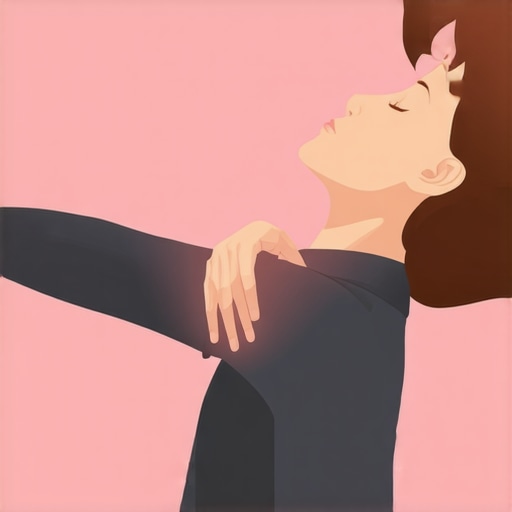
Have you ever been in the middle of a busy day when suddenly that sharp, stabbing pain in your neck or back hits you out of nowhere? I’ve been there too. One moment, everything’s fine—then a jolt of discomfort makes even the simplest movements a challenge. It’s frustrating, exhausting, and honestly, it can make you feel helpless. But what if I told you that relief isn’t always a distant dream? Sometimes, all you need are a few quick techniques that can bring you relief fast and get you back to feeling like yourself.
Why Immediate Relief Matters and What You Can Do About It
The truth is, chronic neck and back pain can control your life. It stops you from enjoying your favorite activities, affects your sleep, and adds stress to your day. Immediate relief isn’t just about feeling better for a few minutes; it’s about reclaiming control over your body and your day. I used to think that only long-term treatments could help, but I learned that some simple, fast techniques can make a real difference, especially when pain hits hard.
For example, I once ignored a serious warning sign and relied solely on painkillers. That was a mistake. It’s crucial to differentiate between temporary pain and symptoms that need professional attention. A mistake I made early on was dismissing the importance of good posture and quick stress-relief exercises. That oversight cost me more pain down the line. Trust me, understanding your body and knowing some immediate strategies can save you a lot of discomfort and frustration.
Is Quick Pain Relief Too Good to Be True?
This is a common skepticism I hear all the time. Can a few simple moves really make a difference? The answer is yes, but only if you do them correctly and understand your limits. Quick relief techniques are not magic fixes, but they can buy you precious time and even help reduce inflammation and muscle tension. I’ve personally experienced how targeted movement and gentle stretches can turn a painful moment into manageable relief. Just remember, it’s important to avoid aggressive motions that could worsen your condition. For trusted methods, consider consulting a professional or exploring expert advice on [neck pain solutions](https://bodyrenewtherapy.com/neck-pain-solutions-proven-techniques-to-regain-your-range-of-motion).
Targeted Self-Massage to Ease Tension
When pain strikes, a quick self-massage can work wonders. Use your fingertips to gently knead tight muscles around your neck or lower back, focusing on knots and tender spots. Imagine your muscle as a tense rope; massage helps loosen it, restoring flexibility. I remember one hectic morning when my neck was so stiff I could barely turn my head. I used a tennis ball against the wall—gently rolling it over my sore spots—and within minutes, the tension eased enough for me to move comfortably again. If you’re unsure how to do this safely, consider consulting a professional or checking out neck pain solutions for expert guidance.
Gentle Stretching to Restore Mobility
Stretching is like oiling a rusty hinge—preventing stiffness and facilitating smooth movement. Focus on gentle, controlled stretches that target your neck, shoulders, and lower back. For instance, tilt your head slowly from side to side, holding each position for a few seconds. I once had a stressful day that left my back frozen in place. I stood against the wall, raised my arms, and gently leaned into a stretch, feeling the tension melt away. Avoid aggressive or bouncing moves; instead, hold each stretch comfortably and breathe deeply. For more tailored stretches, explore back mobility exercises that are proven to help.
Posture Correction for Lasting Relief
Poor posture is like a slow leak in your tire—over time, it causes discomfort and pain. Correcting your posture is a fast way to prevent further issues and relieve existing pain. Sit upright, keep your shoulders relaxed, and ensure your computer monitor is at eye level. When I caught myself slouching at my desk, I paused, adjusted my chair, and did a quick posture check. It made a significant difference in reducing my neck strain. For deeper insights, visit posture and chronic pain. Remember, small adjustments throughout the day add up to long-term relief.
Breathing Techniques to Reduce Muscle Tension
Deep, diaphragmatic breathing floods your muscles with oxygen and calms your nervous system. When pain hits, take slow, deep breaths—inhale through your nose, hold briefly, then exhale slowly through your mouth. I found that doing this for just a minute helped me relax my tense shoulders and neck muscles. It’s like hitting the reset button for your body. Practice this regularly to prevent stress from escalating pain. For more stress-relief strategies, check out neck pain and stress.
Strategic Movement to Boost Circulation
Moving strategically is key to reducing inflammation and promoting healing. Walk around your space, rotate your torso gently, or perform light pelvic tilts. Think of your body as a garden—movement helps water the roots, keeping everything healthy. I once felt a sharp back pain after sitting too long. I stood up, did some gentle twists and hip circles, and noticed the pain subsiding quickly. Avoid forced or jerky movements; instead, focus on smooth, controlled actions. For effective mobility routines, visit mobility exercises.
Many people believe that quick relief techniques for neck and back pain are mere temporary fixes or even harmful shortcuts. In reality, understanding the nuances and common misconceptions can help you use these methods more effectively and safely. Let’s dig deeper into what most get wrong about fast pain relief strategies and how you can avoid pitfalls that undermine your recovery.
Why the Popular Belief That Quick Fixes Are Ineffective Is Misleading
Contrary to popular skepticism, quick relief techniques like targeted self-massage, gentle stretching, and posture correction can provide significant benefits when applied correctly. These methods are often dismissed because some assume they only mask symptoms rather than address underlying issues. However, research shows that immediate interventions can reduce muscle tension, improve circulation, and even prevent the escalation of pain. The key is knowing how to integrate these techniques into a broader pain management plan. For example, combining gentle movement with stress-reduction practices can enhance overall outcomes, as detailed in studies on pain management strategies.
Beware of the Trap: Overdoing It or Using Aggressive Movements
A common mistake is to push through pain with aggressive stretches or massages. This can backfire, causing micro-tears in muscles or aggravating nerve irritation. Always listen to your body and avoid forcing movements beyond your comfort zone. A gentle, controlled approach is more effective and safer. For instance, holding a stretch for 15-30 seconds rather than bouncing or bouncing stretches minimizes injury risk. If you’re unsure, consult a professional or explore trusted techniques on neck pain solutions.
Advanced Question: Can Immediate Relief Techniques Replace Long-Term Treatment?
This is a sophisticated concern that many advanced users ask. While quick relief methods are invaluable for managing acute pain or preventing further injury, they shouldn’t replace comprehensive treatment plans. Chronic conditions often require targeted physical therapy, ergonomic adjustments, and lifestyle changes. Quick techniques are best viewed as part of a holistic approach—serving as immediate support until long-term solutions take effect. Integrating these strategies can prevent pain from becoming a persistent problem, especially when combined with professional guidance. For instance, improving your posture and strengthening exercises, as discussed in posture and chronic pain, are essential for lasting relief.
Have you ever fallen into this trap? Let me know in the comments.
Once you’ve discovered effective quick relief techniques for neck and back pain, maintaining their benefits over the long term becomes crucial. This is where the right tools and consistent maintenance routines make all the difference. I personally rely on specific equipment and methods that help me keep pain at bay and ensure lasting mobility.
Invest in Quality Support and Ergonomic Devices
The foundation of long-term relief starts with proper support. I highly recommend investing in an ergonomic chair designed for spinal alignment. Adjustable lumbar support and breathable fabric help maintain good posture during long work hours. For added comfort, I use a memory foam seat cushion that alleviates pressure points and encourages proper sitting habits. These tools are cost-effective investments that prevent pain from recurring and are backed by ergonomic research, such as the insights shared in mobility and ergonomic tips.
Use Targeted Self-Massage Tools
Self-massage is vital for releasing muscle tension, and I swear by a high-quality massage ball. I keep a firm, rubber massage ball (about the size of a tennis ball) handy to target knots in my neck, shoulders, and lower back. The firmness allows me to apply controlled pressure precisely where needed. Regularly rolling against a wall or on the floor helps improve circulation and relax tight muscles, which is especially beneficial after long periods of sitting. For guidance on effective self-massage techniques, check out neck pain solutions.
Incorporate Mobility and Posture Monitoring Tech
To stay aware of my posture, I use a smart posture trainer that gently vibrates when I slouch. Devices like Upright GO or Lumo Lift have transformed how I maintain awareness throughout the day. These tools provide real-time feedback, helping me correct habits before discomfort develops. Additionally, I use a mobility app that guides me through daily stretches and exercises, ensuring I keep my spine healthy. As research indicates, consistent movement and posture correction are key to avoiding chronic pain, which you can explore more in mobility-enhancing routines.
Predicting the Future of Pain Management Tools
Looking ahead, I believe the integration of wearable tech with AI-driven analytics will revolutionize how we manage neck and back pain. Imagine devices that not only monitor posture but also suggest personalized exercises and adjustments in real time. This trend will empower users to take control of their health proactively, reducing dependence on reactive treatments. Staying updated with this evolving tech landscape will be essential for anyone serious about long-term relief.
How do I keep my relief tools effective over time?
Regular maintenance of your tools is essential. Clean massage balls and replace worn-out cushions periodically to ensure hygiene and effectiveness. Update your mobility apps and firmware of wearable devices to benefit from new features and improvements. Most importantly, stay consistent with your daily routine—integrating these tools into your lifestyle ensures sustained benefits and prevents setbacks. If you’re unsure which tools suit your needs, consider reaching out to a professional for personalized advice, or explore more at our contact page.
The Hardest Lesson I Learned About Quick Pain Relief
One of my biggest realizations was that not all pain relief methods are created equal. Early on, I relied heavily on over-the-counter remedies, thinking they would solve everything. It took some trial and error, and a few setbacks, to understand that targeted self-massage and gentle movement are game-changers. Sometimes, less is more—especially when your body is telling you to go slow.
Why I Switched to Ergonomic Tools and How They Helped
Investing in quality ergonomic supports, like adjustable chairs and posture monitors, transformed my daily comfort. These tools serve as constant reminders to maintain good habits, preventing pain from creeping back. I trust these because they’re backed by research and have made a tangible difference in my ongoing journey to stay pain-free. Check out mobility tips that I swear by for long-term relief.
The Emotional Power of Taking Action and Staying Consistent
Feeling empowered to take small steps each day has made all the difference. Whether it’s a quick stretch, mindful breathing, or correcting my posture, these daily actions compound into lasting benefits. The key is to start now—don’t wait for the pain to become unbearable. Remember, your body responds well to consistent, gentle care. For encouragement and practical guidance, visit our contact page and reach out for personalized support.


This article really hits home for me. I’ve experienced those sudden, crippling neck and back pains during busy days, and I agree that having quick techniques at hand can make a huge difference. I’ve personally found that gentle self-massage with a massage ball or even a rolled-up towel against the wall helps alleviate tension, especially after long hours at the desk. The part about posture correction resonated with me—sometimes, simply being mindful of my sitting position and taking short breaks to reset can prevent a lot of discomfort. I’m curious, has anyone tried using wearable posture devices like the Upright GO? Do they really help maintain good habits throughout a busy workday, or are they more of an occasional reminder? I’d love to hear how others have integrated such tools into their routines for sustained relief.