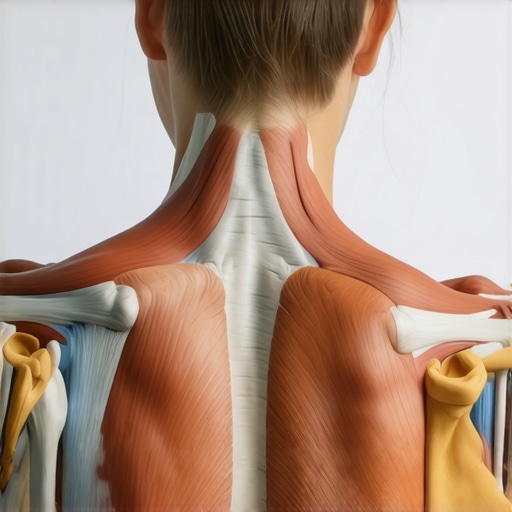
I remember the moment vividly—trying to turn my head during a quick glance over my shoulder, only to be met with sharp, lingering pain that froze me in place. It was a lightbulb moment that made me realize how much our daily routines can silently chip away at our neck mobility. If you’ve ever experienced a stiff neck that makes even the simplest movements feel like a chore, you’re not alone. That frustrating feeling of limitation can seep into your day-to-day life, affecting everything from work to leisure.
In this post, I’m here to share proven strategies that helped me—and can help you too—quickly improve neck mobility and reduce discomfort. We’re talking about practical, easy-to-implement techniques that can make a real difference in your quality of life.
Why Neck Mobility Matters More Than You Think
Before jumping into solutions, it’s important to understand why neck mobility should be a priority. The neck isn’t just about turning your head; it plays a crucial role in maintaining overall posture and preventing other musculoskeletal issues. According to a study published in the Journal of Orthopaedic & Sports Physical Therapy, poor neck mobility can contribute to headaches, shoulder pain, and even impact your balance and coordination. It’s a interconnected system—neglecting one part can ripple into broader health concerns.
Have you noticed how a simple stiff neck can throw off your entire day? Or how persistent discomfort can morph into chronic pain if left unaddressed? Recognizing the importance of mobility is the first step toward meaningful relief.
Now, I know skepticism is natural. You might wonder if these techniques are really effective or if it’s just another fleeting trend. Early on, I made the mistake of dismissing gentle stretches as ineffective—only to realize that understanding the right movements and timing makes all the difference. Trust me, I’ve been there, and I’ve learned that patience and practice are your best allies.
Let’s dive into some practical methods that can help you break free from neck stiffness and start moving freely again. If you’re ready to reclaim your neck’s natural range of motion, keep reading. Better mobility is within reach, and these simple steps can set you on the path to lasting relief.
Start with Gentle Neck Stretches
During my own journey to better neck mobility, I found that gentle stretches are like warming up a stiff muscle before exercise. Sit upright and slowly tilt your head forward, bringing your chin toward your chest. Hold for 10 seconds, then gently lift your chin back up. Repeat moving side to side, tilting your head toward each shoulder. I did this in the mornings, and within a week, I noticed increased ease in turning my head. Consistency is key—think of it as priming your body’s mobility engine for smoother movement.
Incorporate Rotational Movements
Next, add controlled rotations to your routine. Sit or stand with your spine straight, turn your head slowly to one side until you feel a stretch, hold for 5 seconds, then turn to the other side. Picture your neck as a wheel—you want to turn it gradually, not jerk it like a door hinge. I initially over-rotated, which caused discomfort, but gradually increasing the range of motion led to noticeable improvements. These rotations loosen up stiff muscles and improve overall mobility.
Practice Posture Correction
Persistent poor posture can be likened to a bent hinge—it hampers movement. To counteract this, focus on aligning your ears over your shoulders when sitting or standing. I used a mirror to check my posture and set reminders to sit upright during work. This adjustment reduces strain on neck muscles and prevents stiffness from becoming chronic. Proper alignment acts as a foundation, making every stretch and movement more effective.
Use Heat and Massage to Warm Muscles
Applying heat can be like pre-heating an oven—preparing muscles for movement. I used a warm towel around my neck before stretching, which eased tension and increased blood flow. Incorporating gentle massage also helped release tight muscles. Think of this as lubricating the hinges of a door—without proper lubrication, movement becomes squeaky and stiff. Regular warm-up routines facilitate smoother, less painful neck movements.
Prioritize Consistency Over Intensity
It’s tempting to push hard, but I learned that small, consistent efforts produce better results. Daily 5-minute routines outperform occasional intense sessions. For example, I dedicated a few minutes each morning, gradually increasing the range of motion and comfort. Over time, this discipline transformed my neck’s flexibility, much like watering a plant daily helps it thrive. Making the routine a habit ensures lasting benefits without risking overstretching or injury.
Leverage Ergonomic Adjustments
ergonomics play a vital role in maintaining mobility. Adjust your workspace to keep screens at eye level, so your neck isn’t constantly looking down or up. I added a stand for my laptop, which reduced strain. Think of your neck as a delicate antenna—you want it positioned to receive signals (or in this case, view your screen) comfortably. Small tweaks like this reduce tension, making all your stretching and mobility exercises more effective.
Integrate Breathing Techniques to Reduce Stress
Stress tightens muscles, much like squeezing a sponge. Deep breathing exercises during your routines can relax your neck muscles. I practiced slow, diaphragmatic breaths while holding stretches, which helped ease tension and improved relaxation. This dual approach—movement combined with mindfulness—creates a holistic boost for your mobility efforts. Remember, a relaxed neck is more pliable and responds better to movement.
By systematically applying these steps, you’ll create a tangible difference in your neck’s flexibility and comfort. Overcoming stiffness is about consistent practice—think of it as unlocking a rusted hinge. With patience and persistence, better mobility isn’t just possible; it becomes your new reality.
Many individuals believe that stretching or strengthening alone cures mobility issues or pain, but in reality, most common advice overlooks critical nuances that can hinder recovery. Contrary to popular belief, pushing through pain or solely focusing on targeted exercises may exacerbate underlying problems instead of solving them. For instance, the myth that all back pain stems from weak muscles neglects the role of connective tissue stiffness and nerve sensitivities that require different approaches. One often-missed nuance is the importance of neural mobility—how well your nerves glide through tissues—and not just joint or muscle flexibility. Ignoring this can lead to persistent symptoms despite diligent stretching. According to Dr. Michael Shacklock, an expert in neurodynamics, addressing neural tension is essential for resolving stubborn pain patterns. Recognizing these subtleties can prevent setbacks and accelerate healing.
Another common trap is over-reliance on passive treatments like heat or massage without incorporating active movement strategies. While these modalities provide temporary relief, they do not address the root cause if not combined with specific exercises targeting mobility deficits. It’s also a mistake to assume that pain indicates damage requiring complete rest; paradoxically, controlled movement often promotes healing by enhancing circulation and tissue health. For advanced readers, understanding the difference between local tissue restrictions and systemic issues, such as postural patterns or stress-induced muscle guarding, is critical. Techniques like myofascial release combined with functional movement training can offer more comprehensive results.
Furthermore, many get caught in the idea that once pain subsides, the problem is solved. But without addressing chronic postural habits or ergonomic factors—like prolonged sitting or poor sleep positions—symptoms often recur. Integrated strategies that include ergonomic evaluation and stress management are vital for lasting relief. If you’re curious how this applies to specific conditions like sciatica, explore detailed approaches at [this article](https://bodyrenewtherapy.com/overcoming-sciatica-top-lifestyle-changes-for-better-quality-of-life). Recognizing these nuanced distinctions can make a significant difference in your recovery journey.
Are you falling prey to common misconceptions about mobility and pain? Let me know in the comments. Remember, mastering these hidden nuances empowers you to pursue effective, personalized solutions rather than generic fixes. For comprehensive guidance, consider exploring defenses against these pitfalls in our cornerstone content that deeply covers [mobility mastery](https://bodyrenewtherapy.com/mobility-mastery-daily-tips-to-keep-your-spine-and-joints-healthy) and related condition-specific strategies.Maintaining your mobility and managing back or neck pain isn’t a one-time effort; it requires consistent use of effective tools and strategies. One device I personally rely on is the **Chattanooga Theratone** pillow, designed to promote proper neck alignment during sleep. Its contour-engineered shape ensures my cervical spine remains supported, reducing nightly strain that can exacerbate stiffness or pain. Incorporating this into my nightly routine has significantly decreased morning discomfort, allowing me to start the day with better range of motion. Another essential tool is the **Foam Roller**—specifically, the TriggerPoint GRID foam roller. I use it post-exercise to release my fascia and prevent muscle tightness, which is crucial for ongoing mobility. The grid pattern provides targeted pressure, mimicking massage therapy, and helps maintain flexibility over time.
For tracking progress and staying motivated, I recommend the **PhysioGenius App**. It offers guided mobility routines tailored for back and neck issues, with reminders to ensure consistency. I personally find that logging my routines increases accountability and highlights progress—especially when juggling a busy schedule.
Looking ahead, the trend is leaning towards wearable technology and AI-driven programs that adapt to your recovery level in real-time. Smart devices like the **UPmood** posture sensor can alert you when your posture falters during daily activities, reducing strain before pain develops. These tools will likely become more integrated with virtual coaching, providing real-time feedback and personalized adjustments—making long-term maintenance more accessible.
A key question I get is, ‘How do I maintain these improvements over time?’ The answer is consistency and smart tools. Regular use of ergonomic supports, targeted mobility devices, and tracking apps create a sustainable routine that adapts with your progress. For example, I’ve found that integrating the **SmartNeck** device, which offers gentle electric muscle stimulation, helps reduce chronic tension and enhances recovery without additional effort during busy days.
For more detailed strategies on managing chronic conditions like sciatica or neck pain, exploring [this article on long-term relief](https://bodyrenewtherapy.com/neck-pain-management-effective-tips-to-improve-mobility-fast) will provide practical insights. Also, if you’re considering advanced techniques, try incorporating a session with a professional who uses neurodynamic mobilization, supported by insights from experts like Dr. Michael Shacklock, to address nerve mobility issues that often limit progress. This combination of physical tools and expert guidance can pave the way for lasting results.
To start your journey, pick one tool from this list to incorporate into your routine this week. For example, introducing a Foam Roller session post-workout might be the simple step that produces the most noticeable long-term benefits. Remember, sustained effort with the right tools is your best bet for keeping pain at bay and mobility thriving.
The Hardest Lesson I Learned About Mobility and Pain
One of the toughest revelations was realizing that pushing through pain often worsened the problem. Gentle, deliberate movements guided me toward healing, highlighting the importance of respecting my body’s signals. This lesson taught me patience and shunned the misconception that more aggressive exercises always lead to faster recovery.
What Equipped Me to Keep Moving Forward
The most valuable resource in my journey was understanding neural mobility. Recognizing that nerve glide techniques could alleviate persistent discomfort made a world of difference. Exploring expert guidance, like Dr. Michael Shacklock’s work, provided insights that transformed my approach from reactive to proactive.
How My Routine Became My Best Ally
Integrating ergonomic assessments and daily mobility rituals created a sustainable foundation. Utilizing tools such as specialized pillows and foam rollers boosted my progress, proving that investing in quality aids can accelerate recovery and prevent setbacks.
My Final Advice for Navigating Your Mobility Path
Embrace consistency, be patient, and seek personalized solutions—your body knows what it needs. Lasting relief emerges from merging knowledge with persistence. Remember, every small step compounds into meaningful change. If you’re ready to start, explore our comprehensive guides on neck pain solutions and posture and chronic pain, designed to deepen your understanding and accelerate your journey.