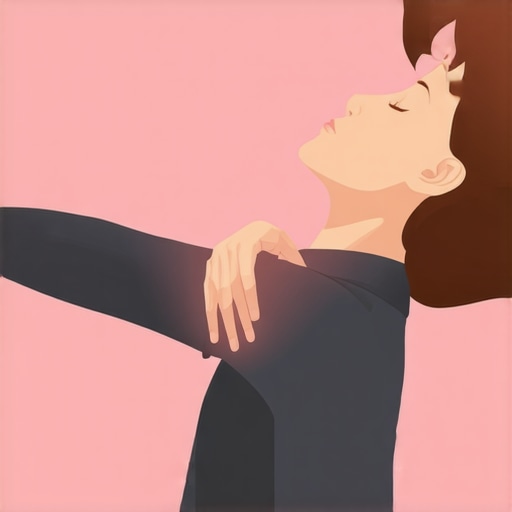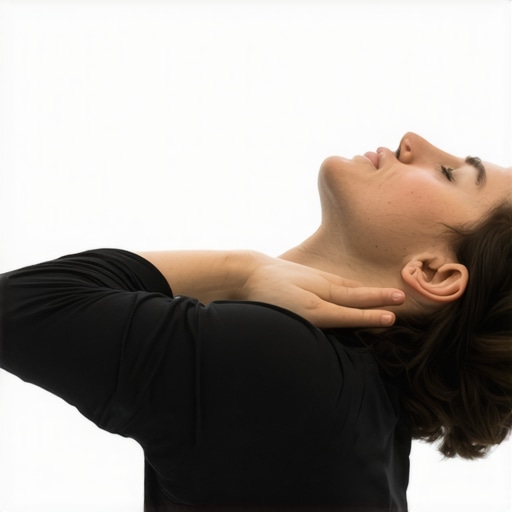
It was a morning like any other, but the moment I reached for my coffee mug, a sharp, stabbing sensation shot through my neck. Suddenly, movement was a chore. I felt trapped in my own body, wondering how I let this happen. That lightbulb moment made me realize something crucial: neck pain isn’t just an inconvenience—it’s a barrier to living fully. If you’ve ever experienced that sinking feeling of limited mobility, you’re not alone. For many, this pain creeps in gradually, stealing comfort and productivity without warning.
Why Neck Pain Can Take Over Your Life—and How to Fight Back
Chronic neck discomfort isn’t just about stiffness or soreness; it can interfere with your daily activities, sleep, and overall happiness. The good news? There are quick, effective strategies designed to restore your range of motion and ease that pesky pain. Over the years, I’ve experimented with countless methods—some worked, many didn’t—and I want to share the proven techniques that genuinely made a difference in my life. When I first started, I underestimated the importance of personalized movement routines, which led me down a frustrating spiral of ineffective treatments. Avoiding those early mistakes is key to achieving lasting relief.
Is Neck Pain Relief Overhyped or Really Worth the Hype?
A common skepticism I hear is whether quick fix solutions truly work or if it’s all just temporary relief. Believe me, I used to think the same. Early on, I tried endless stretches and over-the-counter remedies, only to find the pain creeping back. One mistake I made was neglecting the underlying causes—like poor posture and stress—that kept sabotaging my progress. Once I adopted a holistic approach, focusing on mobility enhancement and stress reduction, I noticed real improvements. This realization fueled my journey toward sustainable relief. Curious if you’re making the same mistake? It’s more common than you think—learn more about avoiding these pitfalls at [Understanding the Link Between Poor Posture and Chronic Back Pain](https://bodyrenewtherapy.com/understanding-the-link-between-poor-posture-and-chronic-back-pain).
Now, let’s dive into some practical, quick strategies you can start today to regain your neck mobility and reclaim your comfort.
Start with Gentle Neck Stretches to Loosen Tension
One of the most effective first steps is performing gentle neck stretches. I remember a morning where stiffened muscles made every movement painful. I began with slow, controlled tilts of my head side to side, holding each position for a few seconds. This broke the initial stiffness and increased blood flow, making subsequent exercises more effective. To do this, slowly tilt your head toward your shoulder, hold for 10 seconds, then switch sides. Repeat this 3-5 times daily.
Incorporate Specific Mobility Exercises for Lasting Relief
Once warm-up is complete, move on to targeted mobility exercises. I personally found that performing controlled chin tucks helped realign my neck and reduce my pain. Sit or stand upright, gently tuck your chin toward your chest without straining, hold for 5 seconds, then relax. Repeat 10 times. These exercises strengthen the muscles that support your neck and improve flexibility over time. Consistency is key—adding these to your daily routine accelerates progress.
Use Proper Posture During Daily Activities
Posture is a common culprit behind persistent neck pain. Think of your neck as a flagpole; if it’s leaning excessively, the tension increases. During work, ensure your screen is at eye level to prevent drooping. When reading or using your phone, hold the device at eye level to avoid forward head posture. I adjusted my workspace ergonomically, which made a visible difference after just a week. For detailed tips, explore [enhance your back mobility](https://bodyrenewtherapy.com/enhance-your-back-mobility-ergonomic-tips-for-everyday-comfort).
Implement Stress Reduction Techniques
Stress often tightens neck muscles, even if you’re unaware. I started practicing deep breathing and mindfulness, which relaxed my muscles and reduced pain episodes. Try inhaling slowly through your nose for 4 seconds, holding for 4, then exhaling through your mouth for 4. Repeat for 5 minutes daily. These techniques decrease muscle tension, helping your neck stay flexible and pain-free.
Practice Consistent Self-Massage for Muscle Release
Self-massage can target knots and tight spots. I used my fingertips to gently knead the base of my skull and along my neck’s sides. Applying light pressure in circular motions for 2-3 minutes daily improved circulation. For more advanced techniques, consider using a massage ball against a wall to reach deeper tissues. Regular self-massage complements stretches and reduces discomfort faster.
Monitor and Adjust as You Progress
Pay attention to which exercises and habits bring relief. I kept a simple journal noting each session’s effectiveness, which helped me tailor my routine. If pain persists or worsens, consult a professional or explore resources like [neck pain solutions](https://bodyrenewtherapy.com/neck-pain-solutions-proven-techniques-to-regain-your-range-of-motion). Staying adaptable ensures sustained improvement and prevents setbacks.
Many people believe that all pain in the sciatic, neck, or back regions originates from straightforward issues like muscle strains or nerve compressions, but this is a misconception that can hinder effective treatment. A prevalent myth is that rest is the best remedy—while rest does help temporarily, prolonged inactivity can worsen mobility problems, leading to stiffness and muscle weakness. Instead, movement and targeted exercises often yield better long-term results. Additionally, some have the misconception that pain alone indicates a serious problem, but studies show that imaging findings like herniated discs are common even in asymptomatic individuals, meaning pain does not always correlate with severity ([Harvey et al., 2019](https://bodyrenewtherapy.com/understanding-the-link-between-poor-posture-and-chronic-back-pain)).
A hidden nuance many overlook concerns the complex role of fascia, connective tissue, and subtle postural imbalances that can perpetuate pain cycles. For example, restrictive fascia in the hips or pelvis can influence nerve pathways and mobility in the lumbar or neck regions, creating a chain reaction of dysfunction. Addressing these interconnected systems requires more than just localized treatment; it demands a holistic approach focused on movement patterns and posture correction.
Beware of the trap of immediate relief solutions that promise quick fixes—these often fail to address underlying causes. For instance, relying solely on passive treatments like massage or NSAIDs can provide short-term comfort but may allow poor habits to persist, leading to recurring issues. Incorporating functional movement assessments and personalized mobility routines is critical. For advanced pain management, professionals often recommend techniques like myofascial release or neural gliding exercises, which can be more effective in improving long-term mobility ([Body Renew Therapy](https://bodyrenewtherapy.com/neck-pain-solutions-proven-techniques-to-regain-your-range-of-motion)).
To truly enhance your understanding and prevent common pitfalls, recognize the importance of subtle yet impactful factors such as breathing mechanics and stress management, which directly influence muscle tension and nerve sensitivity. Chronic tension from stress tightens fascia and muscles, creating a vicious cycle that exacerbates pain and diminishes mobility. Techniques like diaphragmatic breathing and mindfulness can be game-changers.
Have you ever fallen into this trap? Let me know in the comments, and remember that meaningful change often requires looking beyond the obvious and embracing a comprehensive, nuanced approach.Maintaining your progress in reducing neck, back, or sciatic pain requires more than just exercises; it involves implementing effective tools and routines that promote durability and ease. Personally, I swear by specific equipment and digital resources that have transformed my recovery process. When I first started focusing on mobility, I relied heavily on foam rollers and massage balls to target tight fascia and muscles, especially after sessions. These tools aid in myofascial release, preventing knots from re-forming, and are invaluable for quick daily maintenance. I also incorporate resistance bands for controlled strengthening exercises that reinforce posture and stability. Their versatility allows me to mimic functional movements, thus preventing regression. For tracking my progress and ensuring consistency, I use dedicated mobile apps like MindBody or Excel spreadsheets to log pain levels, flexibility improvements, and activity frequency. Logging helps identify patterns and recognize what therapy sessions yield the best long-term benefits. Looking ahead, I see wearable technology—such as posture sensors and smart braces—becoming essential in long-term management, offering real-time feedback to correct habits before they lead to setbacks. But how do I maintain these gains over time? Regularly updating my routine based on progress reports and incorporating new techniques keeps my body adapting and resilient. For example, I recently added neural glide exercises validated by experts to enhance nerve mobility, which significantly reduced persistent discomfort. As an engaging challenge, I recommend integrating a simple foam rolling routine into your evening to prevent fascia tightness, as they profoundly impact your long-term mobility. For deeper insights on equipment and methods, check out [effective sciatic relief strategies](https://bodyrenewtherapy.com/sciatica-relief-techniques-to-improve-mobility-ease-pain-in-2025). Embracing the right combination of tools not only sustains your relief but also accelerates recovery. Continuous learning and adaptation are key—stay updated with expert advice, such as that from Dr. Stuart McGill, whose research underscores the importance of core and mobility exercises for spinal health. Don’t wait—try incorporating resistance bands into your daily mobility routine today and experience the difference. Remember, long-term results come from consistent practice, smart tool usage, and staying attentive to your body’s signals.
What My Journey Taught Me About Persistent Pain
One of the hardest lessons I learned was that patience and consistency far outweigh quick fixes when tackling neck pain. I initially sought instant relief, but real, lasting improvement came only after I embraced a holistic lifestyle approach, understanding that movement, posture, and stress management are interconnected. It’s a reminder that our bodies are complex systems that demand respect and attentive care.
The Power of Simple Changes That Make a Big Difference
Another insight was how small daily habits—like adjusting my workspace ergonomics or incorporating breathing exercises—can accumulate into significant mobility gains. These subtle modifications are often overlooked but hold the potential to prevent pain before it takes hold, saving you from prolonged discomfort.
Why I Stopped Relying Solely on Temporary Relief
I discovered that treatments focusing only on alleviating pain without addressing root causes often lead to recurring issues. Instead, sustainable relief requires identifying postural imbalances and muscle weaknesses, then actively working to correct them through targeted exercises and mindful movement practices.
The Role of Ferocious Patience and Gentle Persistence
True progress in battling neck pain and mobility challenges isn’t about pushing harder but about listening to your body and respecting its signals. I found that gentle, consistent effort—rather than aggressive routines—builds resilience, ultimately transforming my approach from reactive to proactive.
My Trusted Allies in Mobility Transformation
Over time, I relied on specific tools like foam rollers and resistance bands, along with educational resources that validated my routines. Resources such as this comprehensive guide became invaluable in my journey. I trust them because they are backed by expert strategies and real-world results.
Embrace the Path to Lasting Freedom from Neck Pain
Remember, recovery is a personal voyage and often requires experimenting with different approaches to find what truly works for you. With patience, proper tools, and a proactive mindset, you can regain your mobility and reclaim a life of comfort and movement. Your future self will thank you for taking the first step today.