
I remember the exact moment I realized my neck pain was more than just a bad posture day. It was like a stubborn weight that crept up every time I looked down at my phone or turned my head too quickly. For months, I brushed it off, thinking it was just stress or fatigue. But one evening, that dull ache turned into a sharp twinge that made me stop in my tracks. That was my lightbulb moment — enough was enough. I needed to find real relief, not just temporary fixes.
Why Neck Pain Can Feel Like a Barrier to Living Fully
Neck pain isn’t just a nuisance; it can completely disrupt your daily life. Simple tasks like driving, working at your desk, or even sleeping become struggles. I’ve been there, and I know how frustrating it is to feel trapped by your own body. The good news? There are effective techniques that can help you reclaim your comfort and mobility. Today, I’ll share what’s worked for me and countless others — practical, tried-and-true methods that promise lasting relief.
Will These Techniques Really Make a Difference Or Is It Just Hype?
Early on, I made the mistake of rushing into treatments without understanding what was actually causing my pain. I tried every gadget and technique I read about, only to find some offered fleeting relief. That’s why I want to emphasize the importance of understanding your specific situation. Once I learned that many neck issues stem from poor posture and muscle tension, I focused on targeted strategies. If you’re tired of temporary fixes and want real, lasting change, you’re in the right place. For more insights, check out this comprehensive guide.
Get Moving with Gentle Stretches
One of the simplest ways to start relieving neck tension is through gentle stretching. I vividly remember the first time I tried this: I stood in front of my mirror, slowly tilting my head to the right, holding for 10 seconds, then switching to the left. At first, it felt awkward, like trying to stretch a stiff rubber band, but gradually, I noticed less stiffness and a greater range of motion. Think of your neck muscles as a rusty hinge—careful, consistent movement gradually loosens it up. Incorporate stretches like neck tilts, rotations, and shoulder rolls daily to keep muscles flexible and reduce tension.
Master the Art of Correct Posture
Imagine your neck as the top of a tall tower; if the base (your shoulders and back) is crooked, the whole structure wobbles. I caught myself slouching at my desk one day, and my neck pain worsened. To fix this, I adjusted my workspace—raised my monitor to eye level, used an ergonomic chair, and made a conscious effort to sit upright. When I slouched, I felt immediate strain; when I corrected my posture, relief was almost instant. Use tools like ergonomic chairs and sit-stand desks to support a healthy posture. Regularly check in with yourself throughout the day—your body will thank you.
Incorporate Targeted Strengthening Exercises
Building muscle support around your neck can prevent future pain. I started with simple isometric exercises—pressing your palm against your forehead or the side of your head and resisting the motion. It’s like pushing against a wall; you’re strengthening the muscles without moving your neck. Do 3 sets of 10-second holds daily. Over time, I noticed my neck felt sturdier, and minor pains diminished. Combining these with back and shoulder exercises creates a strong foundation that keeps your neck healthy. For a step-by-step routine, check out this guide.
Use Heat and Cold Therapy Wisely
Sometimes, a simple heat pack can melt away muscle tension. I kept a warm towel on my neck after long work sessions, which helped relax stiff muscles—think of it as thawing frozen rubber. Conversely, if swelling or inflammation is present, applying an ice pack can reduce discomfort. I learned to alternate between heat and cold depending on my symptoms, which sped up recovery and eased pain. Remember, don’t apply extreme temperatures directly to the skin—wrap them in a cloth for safety. Experiment with these therapies to see what soothes your specific pain points, and consider integrating these methods into your routine.
Prioritize Rest and Recovery
Overworking my neck muscles was a common mistake I made initially. I realized that giving my body time to heal was essential. I started scheduling short breaks during work, standing up, and stretching. When I felt pain flare-up, I paused and gave myself a day or two of minimal movement. Rest is not laziness; it’s a vital part of healing. Combine adequate sleep with mindful relaxation techniques like deep breathing or meditation. These practices lower stress hormones that can exacerbate tension. Remember, your neck needs downtime—listen to your body, and don’t push through severe pain. Rest, combined with active recovery, creates a cycle that rebuilds and strengthens your neck muscles over time.
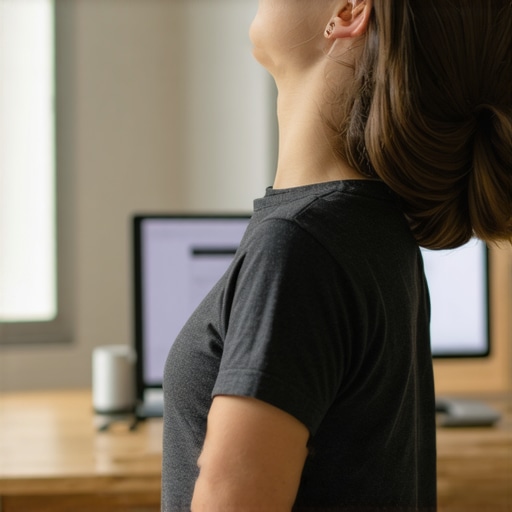 Many people jump straight into exercises or buy gadgets without understanding the deeper mechanics of neck pain. A common misconception is that more aggressive stretching or vigorous workouts are always better. In reality, pushing too hard too soon can exacerbate issues, especially if underlying problems like joint instability or nerve compression are involved. Instead, a nuanced approach that recognizes the limits of your tissues and the importance of gradual progression is key. For instance, focusing solely on strengthening muscles without addressing mobility issues can lead to imbalances, which might worsen pain or cause new problems. To truly benefit from techniques outlined in Revitalize Your Neck, it’s crucial to differentiate between superficial fixes and the root causes of chronic discomfort. This is where many fall into traps, believing that quick fixes will provide lasting relief. The truth is, understanding your specific condition—whether it’s muscle tension, joint misalignment, or neurological factors—guides more effective treatment plans, including targeted stretches, posture corrections, and therapies. For advanced insights, exploring related content such as Back Pain Breakthroughs or Sciatica Relief Secrets can provide a broader perspective. One major mistake I see often is neglecting the importance of consistent, mindful practice. It’s tempting to do a few stretches and assume the problem is solved, but real change requires patience and attention to proper technique. Overdoing it or doing the wrong exercises can lead to setbacks. A prime example is ignoring symptoms of nerve irritation, which require professional assessment rather than self-treatment. Recognizing when to seek expert help can prevent long-term damage and accelerate recovery. Have you ever fallen into this trap? Let me know in the comments.Maintaining your neck health over time requires more than just sporadic exercises; it demands a strategic approach with reliable tools and consistent habits. One of my personal go-to tools is the Theragun G3PRO, a percussive massage device that I use daily to keep muscle tension at bay. Its deep-tissue massage capability helps target stubborn knots that regular stretching can’t reach, especially after long hours at the desk or intense workouts. I also swear by a high-quality ergonomic foam roller, which I use for my back and shoulders—these areas directly influence neck comfort. Regular self-myofascial release with the foam roller keeps my muscles supple and reduces trigger points that cause pain or stiffness.
Lessons from the Trenches of Neck Pain Relief
- One of the hardest lessons I learned was that pushing through the pain with aggressive exercises only made things worse. Patience and gentle progress are key to avoiding setbacks.
- Understanding that poor posture isn’t just about appearance but also about how your muscles and joints align was a game-changer. Small adjustments can lead to big relief over time.
- Ignoring early signs of nerve irritation can lead to long-term issues. Seeking professional advice early on saved me from more complicated problems down the line.
My Toolbox for a Happy Neck
- Theragun G3PRO — I trust it because it delivers deep tissue massage that I can target precisely, helping me relax stubborn knots.
- Ergonomic foam roller — a simple yet effective tool that keeps my muscles in check and prevents trigger points from forming.
- The book “Revitalize Your Neck” — it offers comprehensive routines that are easy to follow and have made a noticeable difference in my daily comfort.
Your Next Step Toward Freedom from Neck Pain
Don’t let neck pain hold you back from living fully. With consistent effort and the right tools, you can regain your comfort and confidence. Remember, every small step adds up to a healthier neck and a happier life.
What’s one change you’re willing to try today to improve your neck health? Share below—I’d love to hear your story!