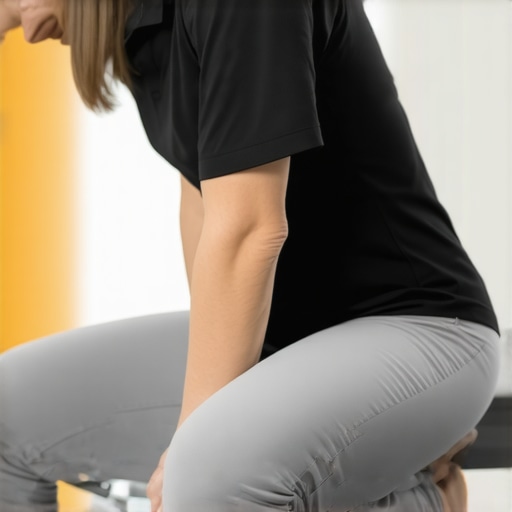
It was a cloudy Tuesday afternoon when I finally hit my breaking point. The dull ache in my lower back had become a fiery sensation radiating down my leg, making even simple tasks like bending to tie my shoes feel like climbing Everest. I remember sitting on the edge of my bed, exhausted and frustrated, thinking, “Is this how I have to live? Constantly battling this pain?” That moment was a lightbulb for me — enough was enough. I needed to find real, lasting relief.
Why Your Struggle With Sciatica Isn’t Just About Pain
Many people dismiss back discomfort as a temporary nuisance. But for those battling sciatica—the nerve pain that travels from your lower back down your leg—it’s so much more than that. It can hijack your daily life, robbing you of mobility, joy, and independence. I learned this the hard way, and I suspect if you’re reading this, you might be experiencing the same.
What I didn’t realize initially is that sciatica isn’t just about ignoring the pain or taking a pill here and there. Research shows that prolonged nerve compression can lead to decreased mobility and even long-term disability if not addressed properly (see this [comprehensive guide](https://bodyrenewtherapy.com/back-pain-relief-the-ultimate-guide-to-faster-recovery-and-mobility)). That was my mistake—thinking I could just push through or rely solely on quick fixes. Instead, I discovered that a personalized, strategic approach was necessary.
Now, I’m here to share that journey with you and promise that relief is within reach. Together, we’ll explore proven strategies to boost your mobility and reduce discomfort—methods that have truly transformed my life and can do the same for you.
Are you tired of feeling trapped by your own back pain? If so, keep reading. The next step is understanding why this pain persists and how to tackle it effectively—because your mobility and peace of mind are worth fighting for.
Start with Gentle Stretching to Loosen Your Spinal Foundations
Think of your spine as a flexible bridge—if its supports tighten, crossing becomes uncomfortable. I vividly recall the first morning I committed to gentle hamstring and piriformis stretches, like the seated pigeon pose. My initial attempts were messy, wobbling and shaky, but soon I noticed less tension down my leg. Consistency is key here—doing these stretches daily unlocks your body’s natural movement capabilities. For targeted relief, check out this simple back mobility exercises.
Embrace Core Strength to Support Your Lower Back
Your core acts like a sturdy central column, supporting your entire structure. I remember lying on my back doing the pelvic tilt exercises, feeling awkward at first, but gradually feeling my lower back stabilize. Strengthening these muscles reduces undue pressure on the sciatic nerve. Think of it as tightening the bolts to prevent a shaky bridge. Incorporate plank variations and side planks into your routine—start slow, hold for 10 seconds, and build up gradually. For detailed guidance, visit this mobility mastery article.
Improve Posture to Prevent Nerve Compression
Imagine your posture as the alignment of a sailing ship; misalignment causes unsteady sailing. I caught myself slouching at my desk, which worsened my pain—so I adjusted my chair height and sat upright. Small ergonomic tweaks can make a big difference—use lumbar supports, keep your monitor at eye level, and avoid prolonged sitting. Think of these adjustments as fine-tuning your ship’s rigging for optimal sailing. For practical ergonomic tips, explore this ergonomics guide.
Incorporate Strategic Movements and Position Changes
Our bodies thrive on movement—like plants need sunlight. I started taking short walking breaks every 30 minutes during my workday, which broke the cycle of stiffness. Alternating between sitting, standing, and walking stimulates blood flow, prevents muscle tightness, and alleviates pressure on the sciatic nerve. Visualize this as rotating the beams supporting your bridge; diversifying your positions keeps everything aligned and resilient. For effective routines, review this mobility tips.
Seek Professional Guidance When Needed
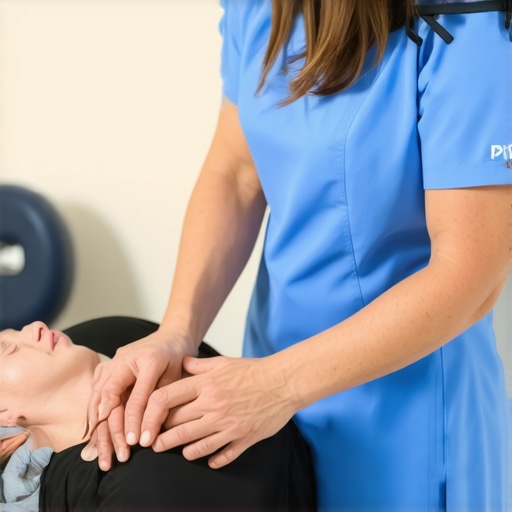
If self-guided efforts aren’t enough, consider consulting a specialist who can tailor a plan suited to your specific needs. I remember reaching out to a physiotherapist, which felt daunting at first, but their expert adjustments and targeted exercises accelerated my recovery. Think of this like consulting a master builder to reinforce your bridge’s weak points. For expert strategies, check out this sciatica relief guide.Many individuals believe that back pain and sciatica are simple problems fixable with quick stretches or painkillers. However, this oversimplified view often leads to critical mistakes. A common myth is that resting completely will help recovery, but in reality, prolonged inactivity can worsen stiffness and prolong healing. The truth is, *movement and targeted strengthening* are essential—disregarding this nuance can trap you in a cycle of pain. For instance, many neglect the importance of specific exercises that address nerve gliding and fascial restrictions, which are key for advanced recovery.
Why do some treatments fail despite seeming logical?
Often, it’s because they overlook the underlying biomechanical imbalances or neural sensitivities. Experts argue that personalized assessments, considering factors like fascia health and postural dynamics, are crucial for lasting relief (see this [mobility tutorial](https://bodyrenewtherapy.com/boost-your-back-mobility-simple-exercises-that-make-a-difference)). One mistake I made early on was assuming that pain relief equals full recovery, but pain is often just a symptom, not the root cause. Recognizing the complex interplay between muscles, fascia, and nervous structures can make all the difference.
Beware of the trap of ‘quick fixes’
Relying only on anti-inflammatory medications or passive treatments might temporarily mask discomfort, but they don’t address the root issues that cause nerve compression or joint restrictions. Over time, this can lead to chronic problems or even nerve damage. A more sophisticated approach involves combining mobility drills, ergonomic modifications, and neurodynamic exercises—tools proven to enhance nerve flexibility and joint function. For instance, incorporating these strategies steadily can make your routine more effective and sustainable, reducing the risk of setbacks. Don’t hesitate to reach out to professionals for tailored guidance—your body deserves an expert’s eye on nuanced conditions. Interested in deepening your understanding? Explore this [comprehensive back mobility guide](https://bodyrenewtherapy.com/understanding-the-link-between-poor-posture-and-chronic-back-pain).
Have you ever fallen into this trap? Let me know in the comments.
Investing in the right tools can make all the difference in maintaining your back health and mobility. During my journey, I discovered that integrating specific equipment and methods helped me sustain progress and prevent setbacks. One device I swear by is a foam roller with a firm grid texture. Its surface allows me to target deep fascia restrictions that often contribute to nerve compression or tightness, especially around the piriformis or glutes. Regular self-myofascial release using this tool has been instrumental in releasing knots and enhancing mobility, which I address further in this guide to mobility exercises.
Beyond manual tools, software played a surprising role in my recovery. I use a posture-tracking app on my phone, which gently nudges me when I slouch or remain sedentary for too long. This real-time feedback has been vital in ingraining healthier postural habits, reducing strain on my lumbar and cervical areas. As technology advances, I predict a future where AI-powered wearable devices provide personalized biomechanical feedback, making long-term maintenance of back health even more accessible and precise.
For real-time pain relief, I rely on a portable TENS (Transcutaneous Electrical Nerve Stimulation) unit. This device stimulates nerves to block pain signals, offering immediate relief without medication. Personally, I use it during flare-ups to manage sciatica symptoms effectively, which has allowed me to stay active and committed to my mobility routines. Incorporating such tools into your daily regimen can significantly extend the benefits of your exercises, anchoring your progress and preventing regress.
When it comes to sustained results, consistency is key. I schedule weekly check-ins with a physiotherapist via a telehealth platform. These virtual sessions allow for tailored adjustments, ensuring my routines evolve with my progress. This approach underscores an emerging trend—leveraging technology and expert guidance remotely to maintain long-term well-being. As more innovative tools emerge, I believe digital health platforms will become integral to chronic pain management, providing personalized support from the comfort of home.
How do I keep my efforts sustainable year-round? Regularly using targeted tools alongside mindful movement and ergonomic adjustments creates a resilient foundation. For instance, incorporating daily mobility drills, like those in this mobility mastery guide, ensures ongoing flexibility and strength. And don’t forget to periodically reassess your tools and techniques—what works today might need tweaking tomorrow to stay effective.
To truly benefit from these insights, I recommend trying out a foam rolling session focusing on your hip and lower back areas this week. It’s a simple yet powerful step toward maintaining your mobility and preventing future pain. Remember, building a toolbox of personalized options—whether physical devices or digital supports—empowers you to keep moving freely. If you’re unsure where to start or need a tailored plan, reach out for expert advice or visit our contact page to connect with specialists dedicated to your journey.
The Hardest Lessons I Wish I Never Learned About Sciatica and Mobility
One of my biggest realizations was that patience beats impatience every time. Rushing into intense stretches or aggressive exercises only prolonged my recovery and sometimes worsened symptoms. Listening to my body and progressing gradually allowed me to build resilience safely. Additionally, neglecting the role of fascia and soft tissue restrictions hindered my progress; incorporating self-myofascial release with tools like foam rollers proved invaluable in releasing deep knots that standard stretches couldn’t reach.
Tools That Transformed My Approach to Back and Sciatica Relief
- Foam Roller with a Firm Grid Texture: Trustworthy for targeting fascia, easing knots, and enhancing mobility. It became a daily ritual that made a noticeable difference.
- Posture-Tracking App: Real-time feedback on posture helped me correct misalignments before they contributed to pain. This technology empowered me to stay mindful throughout the day.
- Portable TENS Unit: Instant relief during flare-ups, enabling me to stay active and avoid unnecessary setbacks.
- Consultation with a Physiotherapist via Telehealth: Personalized guidance ensured that my routines remained effective and safe as I progressed.
Your Journey Starts Now—Embrace the Possibilities
Recovering mobility from sciatic discomfort is a deeply personal journey, but one filled with hope and tangible strategies. Remember, breakthroughs happen when you combine consistent movement, ergonomic awareness, and the right tools. Don’t hesitate to reach out to professionals or explore techniques that resonate with your unique needs. Your body is capable of more than you realize—taking that first step today can lead to a future where pain no longer controls your life. Keep moving forward, and trust in the process.