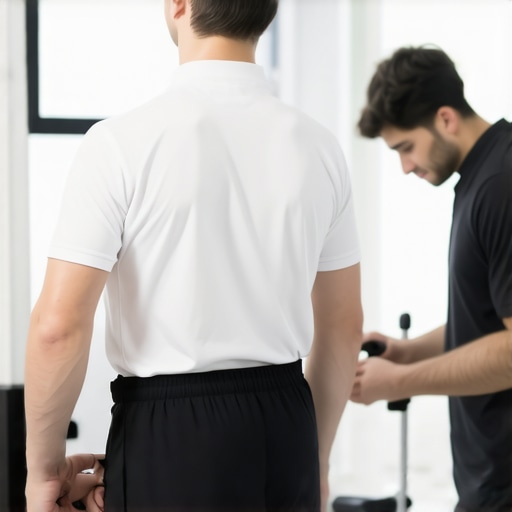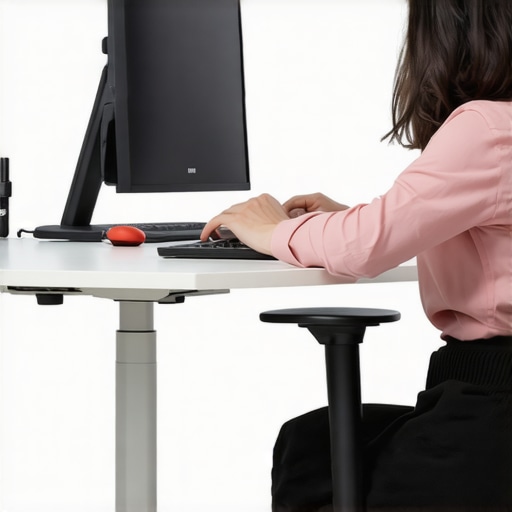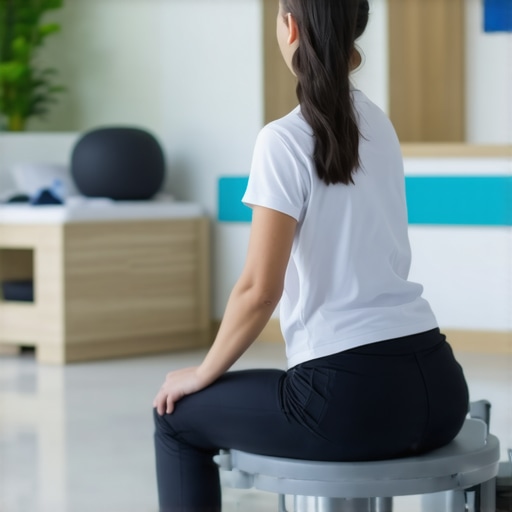
Have you ever felt that sharp, stabbing pain shooting down your leg after a long day sitting at your desk? I used to brush it off as just a part of aging or bad posture, but one day, I could barely stand without wincing. That moment was a lightbulb for me. I realized I needed to take my sciatica seriously and find real relief, not just temporary fixes. If you’re tired of living with persistent pain and stiffness, you’re in the right place. Today, I’ll share proven techniques that helped me regain control of my mobility and banish that nagging discomfort. These methods aren’t magic, but with consistency, they can make a huge difference.
Why Now Is the Perfect Time to Take Action
In 2025, more people than ever are working from home or leading sedentary lifestyles. This shift has worsened issues like sciatica, which thrives on poor posture, lack of movement, and stress. According to a 2024 study by the National Institute of Neurological Disorders and Stroke, chronic back pain, including sciatica, affects over 40% of adults at some point in their lives. That’s nearly half the population dealing with discomfort that can seriously impair daily life and long-term health. The good news? Small, targeted changes can reverse much of the damage. But waiting only makes things worse. If you’ve faced that nerve pain that keeps you from moving freely, I want you to know relief is possible.
Is Sciatica Relief Tech Actually Worth the Hype?
I made a mistake early on by dismissing simple stretches and home remedies as ineffective. I thought, “This won’t help,” and kept relying solely on painkillers. That was a critical error. It wasn’t until I explored expert-backed strategies—like those detailed in our comprehensive guide to sciatic relief—that I saw real progress. These techniques are about empowering your body to heal itself, not just masking symptoms. If you’re skeptical, I get it. But I encourage you to give these methods a fair shot. Sometimes, the simplest solutions are the most powerful. Want to start with quick relief? Check out our article on quick home remedies that really work to get immediate comfort while working on long-term solutions.
So, are you ready to take control of your mobility and say goodbye to sciatica pain? Let’s dive into the practical steps that transformed my life—and can do the same for you.
Get Moving with Targeted Exercises
One of the most effective ways to alleviate sciatic pain is incorporating specific exercises into your daily routine. Think of your spine as a flexible bridge; strengthening the supporting structures enhances stability and reduces nerve compression. For example, I vividly remember trying the piriformis stretch after a particularly painful day. I gently laid on my back, crossed one leg over the other, and pulled my knee toward my chest. At first, the movement was awkward and unsteady, but with consistent effort, I noticed a significant decrease in pain after a week. Regularly practicing these stretches can loosen tight muscles pressing on your sciatic nerve. For a comprehensive list of exercises, check out our guide on simple exercises that make a difference.
When it comes to sciatic pain, many people fall prey to misconceptions that can hinder their recovery. One of the most pervasive myths is that rest is always the best remedy. In reality, prolonged inactivity can weaken your muscles and worsen nerve compression, making movement and targeted exercises more effective for long-term relief. I learned this the hard way by ignoring gentle stretches initially, which only prolonged my discomfort. Instead, a balanced approach combining movement and rest proved more beneficial. It’s crucial to understand that over-reliance on painkillers without addressing the root cause can lead to dependency and mask symptoms, delaying proper healing. According to a 2023 study published in the Journal of Back and Musculoskeletal Rehabilitation, active therapies significantly outperform passive treatments like medications alone. To truly tackle sciatica, you need a comprehensive plan that includes lifestyle changes, exercises, and sometimes ergonomic adjustments. For instance, poor posture is often underestimated as a culprit; addressing it can prevent future flare-ups. Check out our guide on how poor posture contributes to back pain and learn practical ways to improve your daily habits.
Are there advanced signs indicating a serious condition?
Many assume that all sciatic pain is benign, but some symptoms require urgent medical attention. Severe weakness, loss of bladder or bowel control, or persistent numbness could indicate nerve damage or a herniated disc needing surgical intervention. Ignoring these signs can lead to permanent disability. Consulting with a healthcare professional promptly is essential if you experience these symptoms. For personalized advice and treatment options, don’t hesitate to reach out through our contact page. Remember, understanding the nuances of sciatic pain prevents unnecessary suffering and ensures you get the right treatment at the right time.
Keep It Moving: Tools I Recommend for Lasting Relief
Maintaining your progress in overcoming sciatica requires the right tools and consistent effort. Over the years, I’ve fine-tuned my approach with specific equipment and techniques that help me stay mobile and avoid setbacks. One of my favorite tools is a high-quality foam roller. I personally use a dense foam roller because it effectively releases tight muscles in the lower back and hips—key areas that influence sciatic pain. Regular rolling sessions prevent muscle knots and improve flexibility, making daily stretches more effective. For me, integrating a foam roller into my routine was a game-changer, especially after long periods of sitting.
Another essential tool is a resistance band tailored for mobility exercises. I use a loop resistance band to assist with stretches like the hip flexor opener or hamstring stretch. These bands add gentle resistance, enabling me to deepen stretches safely without risking overstretching or injury. They’re portable, affordable, and versatile, making them perfect for at-home routines or when traveling. Incorporating resistance bands has helped me improve my flexibility over time, reducing nerve compression and easing sciatic discomfort.
In addition to physical tools, I highly recommend using a posture correction app. I rely on software that provides real-time feedback on my sitting and standing posture, which is crucial for long-term recovery. Good posture minimizes pressure on your sciatic nerve and prevents flare-ups. I’ve found that consistent posture monitoring encourages better habits, especially during work-from-home days. The trend in digital health tools is moving toward AI-driven posture analysis, which will become even more accurate and personalized in the future.
For long-term results, I also swear by ergonomic accessories like an adjustable standing desk and a supportive lumbar pillow. These are investments I made early in my recovery journey. They help me maintain proper spinal alignment throughout the day, reducing strain on my lower back and sciatic nerve. Ergonomic adjustments are often overlooked, but they are fundamental to sustainable relief. Check out our article on ergonomic tips for everyday comfort to learn more about optimizing your workspace.
Looking ahead, I believe the future of sciatica management lies in smart wearable tech. Devices that monitor posture and muscle activity could give real-time alerts, prompting immediate corrections. This integration of tech and health will empower us to stay proactive and prevent flare-ups before they happen.
How do I maintain my progress over time?
Consistent use of these tools combined with a tailored exercise routine is key. Regularly updating your stretching and strengthening regimen ensures your muscles stay balanced and your nerve compressed-free. I revisit my routine every few months, adjusting intensity and exercises based on my body’s feedback. Staying vigilant with ergonomic adjustments and posture monitoring helps me catch issues early, preventing minor discomfort from escalating into major pain. If you’re serious about lasting relief, consider consulting a healthcare professional for personalized advice, and don’t hesitate to reach out through our contact page for guidance. Remember, the combination of the right tools, consistent effort, and proactive habits keeps your mobility thriving long-term. Try integrating a resistance band or a foam roller into your daily routine today and observe the difference it makes in your recovery journey.
The Hardest Lesson I Learned About Sciatica
One of the most eye-opening moments in my journey was realizing that patience and consistency trump quick fixes. I used to rely heavily on painkillers, thinking they would solve everything, but I soon discovered that addressing the root causes through targeted exercises and lifestyle changes was what truly made a difference. This lesson taught me that sustainable relief comes from understanding my body and respecting its signals rather than masking pain temporarily.
3 Myths About Sciatica That Held Me Back
For a long time, I believed that rest was the best remedy for sciatic pain. I now know that prolonged inactivity weakens muscles and worsens nerve compression. Another misconception was that only surgery could provide relief—nothing could be further from the truth. Lastly, I thought that stretching was dangerous, but gentle, consistent mobility exercises actually helped me recover faster and prevent future flare-ups. Challenging these myths opened the door to effective, natural solutions.
What Experts Won’t Tell You About Sciatica Recovery
Many professionals overlook the importance of ergonomic adjustments and daily habits in managing sciatica. I learned that small changes like proper sitting posture and regular movement can significantly reduce flare-ups. Additionally, I found that combining physical tools like foam rollers and resistance bands with mindful posture monitoring creates a powerful combo for lasting relief. Trusting expert advice and customizing it to my routine made all the difference in maintaining mobility.
My Essential Toolkit for Sciatica Relief
Over time, I curated a set of tools that helped me stay mobile. A high-quality foam roller became my go-to for releasing tight muscles and improving flexibility. Resistance bands helped me deepen stretches safely, especially for hips and hamstrings. I also rely on posture correction apps that give real-time feedback, which is crucial for maintaining good habits during long work hours. Ergonomic accessories, like lumbar pillows and adjustable desks, supported my spine alignment daily. These tools, combined with consistent effort, have empowered me to live pain-free.
Where to Go from Here
If you’re ready to take control of your sciatic pain, start exploring targeted exercises, ergonomic improvements, and reliable tools that suit your lifestyle. Remember, recovery is a journey—be patient and persistent. For personalized advice, don’t hesitate to reach out through our contact page. Keep learning, stay proactive, and your future self will thank you for it.
Your Turn to Try
What’s one small change you’re willing to make today to better support your sciatic health? Share your plan below and let’s support each other on this path to lasting relief!