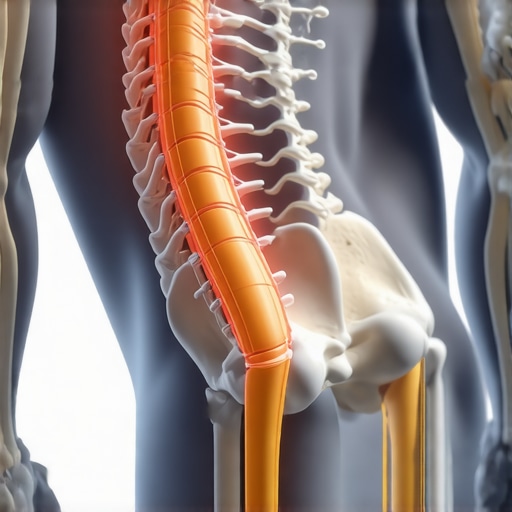
I remember the moment clearly: I was tying my shoes, wincing as a sharp pain shot down my leg, paralyzing my movements and filling me with frustration. For months, I felt trapped by my own body, believing I would never get relief. That lightbulb moment hit me hard—that persistent discomfort wasn’t just about aging or bad luck; it was a signal my habits and posture were dragging me down. If you’ve ever experienced that sudden, stabbing pain or ongoing numbness, you know exactly what I mean.
Why Taking Action Matters Now More Than Ever
Chronic sciatic discomfort can sabotage your daily life, robbing you of spontaneity and joy. When I first started experiencing symptoms, I thought resting longer was the answer. But ironically, inactivity only made things worse. Recent studies show that engaging in targeted movements and making conscious lifestyle changes can significantly boost your mobility and reduce pain—sometimes faster than you’d expect [source].
Understanding the connection between poor posture, sedentary habits, and sciatic nerve irritation was a gateway for me. The more I ignored my body’s signals, the deeper the discomfort sank in. That’s why I want to share some personal insights and proven strategies to help you regain control, move freely again, and break free from the cycle of pain.
Have you ever found yourself dodging simple activities because of nerve pain? You’re not alone. The good news is that effective solutions exist, and they don’t always require expensive treatments or drastic measures. The key is awareness, action, and a willingness to make small, consistent changes.
Is Relief Really Within Reach or Just a Dream?
Early on, I made the mistake of believing that my pain was something I just had to live with—a common misconception many of us share. Trust me, I learned the hard way that ignoring or half-heartedly trying remedies only prolonged my suffering. Incorporating practical exercises and lifestyle adjustments transformed my approach and significantly improved my quality of life. If you’re ready, I’ll walk you through the steps I took—and that many others have found helpful—to boost your mobility and say goodbye to persistent sciatic pain.
.
Targeted Movement Practices for Lasting Relief
After recognizing the importance of staying active, I committed to specific exercises that targeted my sciatic nerve and surrounding muscles. Think of your spine and nerves like a garden hose; if twisted or kinked, water can’t flow freely. Similarly, poor posture or muscle tightness can pinch nerves and cause pain. I started with gentle stretches like the piriformis stretch, which helps loosen tight glutes that compress the sciatic nerve. I remember the first attempt was awkward; my muscles trembled, but persistence paid off. Incorporate daily routines such as lumbar rotations and hamstring stretches, which you can learn from here. These movements gradually increased my range of motion and unblocked nerve pathways, leading to less pain and more mobility.
Strengthening Key Muscles to Support Your Spine
Weak core muscles are like a foundation of a building—without strength, everything becomes unstable. I focused on core exercises like planks and bird-dogs, which strengthen abdominal and back muscles, providing better support and reducing nerve compression. When I first started, I felt clumsy; holding a plank for thirty seconds seemed impossible. But over time, with patience and consistency, my muscles grew stronger, and the pain diminished. Using a plan that integrates these exercises regularly, as recommended in this resource, is essential for sustainable relief.
Adjusting Daily Habits to Support Recovery
Small changes in daily routines can make a big difference. I learned to avoid prolonged sitting, which is akin to pressing down on a garden hose, restricting water flow. Instead, I set a timer to stand and stretch every 30 minutes, mimicking micro-movements to keep tissues flexible. Using ergonomic chairs and supportive cushions helped maintain proper spinal alignment, reducing nerve irritation. Simple habits like lifting objects correctly—bending at the hips and knees rather than the waist—prevented additional strain. These adjustments are easy to adopt and, over time, can significantly decrease sciatic discomfort, as outlined in this guide.
Incorporating Relaxation Techniques to Reduce Stress and Tension
Stress intensifies muscle tightness, which can aggravate nerve compression. I incorporated deep breathing exercises and mindfulness meditation into my routine to relax tense muscles. Imagine your body as a guitar; stress causes the strings to tighten, making music (or pain) worse. Slowly exhaling and focusing on releasing tension helped me unstrain muscles that were pulling on my nerves. Techniques like progressive muscle relaxation, detailed at this resource, contributed greatly to my recovery. This holistic approach not only eased physical discomfort but also improved my overall sense of well-being.
Monitoring Progress and Making Adjustments
Tracking improvements gave me motivation and insights. I kept a journal, noting pain levels, exercise routines, and habits. If a particular movement caused discomfort, I paused and adjusted the intensity or replaced it with a gentler alternative. Over time, I recognized patterns—certain activities exacerbated pain, so I modified or avoided them. For ongoing support, consulting professionals and staying informed through resources like expert strategies is invaluable. This adaptive process is essential to maintain progress and prevent setbacks.Many assume that all pain related to the neck, back, or sciatic nerve is purely about stretching or medication, but that oversimplification often leads to frustration. The real nuance lies in understanding the interconnected complexities of posture mechanics, muscle imbalances, and nervous system responses. For instance, a common myth is that stiffness always equals weakness, but in reality, tight muscles can be a sign of protective overactivation, which can aggravate pain if not addressed properly. This misconception can cause many to over-stretch or stretch improperly, leading to more imbalance instead of relief. Advanced practitioners recognize that targeted strengthening of specific stabilizers and addressing maladaptive movement patterns are more effective than generic stretching routines.
Are You Overlooking the Role of Neural Sensitization?
Neural sensitization occurs when the nervous system becomes hyper-excitable after repeated or chronic pain signals, making even minor movements feel painful or unbearable. This phenomenon is often misunderstood as purely structural damage, but research shows that central nervous system alterations play a significant role in persistent pain states. Ignoring this can lead to misguided treatments focused solely on the muscles, when integrating pain neuroscience education and graded exposure strategies can foster better outcomes. As noted in a study published in the Journal of Pain, addressing neural factors alongside physical therapy improves recovery trajectories significantly.
An additional trap many fall into is the belief that pain is a reliable indicator of damage. This can cause unnecessary fear, avoidance behaviors, and further deconditioning. Instead, understanding that pain can be a protective response, even in the absence of tissue damage, allows for more strategic and fear-free movement approaches. Gradual exposure to movement, guided by a professional, ensures your nervous system adapts safely without reinforcing pain avoidance cycles. For actionable guidance, consider exploring resources on holistic approaches to mobility and pain management, like those found here.
Furthermore, neglecting lifestyle factors—such as ergonomics, stress, and sleep—can undermine even the best treatment plans. For example, poor ergonomic setups perpetuate poor motor patterns, while chronic stress can heighten muscle tension and neural excitability. Embracing a comprehensive strategy that includes lifestyle modifications can accelerate recovery and prevent recurrence. Learn more about ergonomic tips to support your back and neck at this resource.
In summary, deconstructing these myths and recognizing the intricate neuro-musculoskeletal dynamics at play helps you avoid common pitfalls. Instead of chasing quick fixes, focus on a nuanced, evidence-based approach that combines movement, education, and lifestyle adjustments. Your body and nervous system will thank you for it. Want to deepen your understanding? Check out our in-depth guides on posture and chronic back pain or explore proven therapies to unlock lasting relief. Have you ever fallen into this trap? Let me know in the comments.
Keeping it Working: Essential Tools for Long-Term Relief
Maintaining mobility after corrective exercises is crucial, and having the right tools can make a significant difference. Personally, I rely on a combination of ergonomic accessories, massage devices, and digital resources to sustain my progress. An adjustable lumbar support pillow, for instance, helps maintain proper spinal alignment during long work hours, preventing strain that could undo months of therapy. I particularly favor the Everlasting Comfort Lumbar Support Pillow because it offers the right firmness and adaptability for daily use. Additionally, I incorporate foam rollers, like the TriggerPoint GRID Foam Roller, to perform my own myofascial releases, which alleviate muscle tightness and improve circulation—vital for preventing nerve compression.
On the technology side, I use posture tracking apps such as Upright GO. This wearable device discreetly hooks onto your back and provides real-time feedback on posture, encouraging conscious corrections throughout the day. Since I started using it, I’ve noticed a tangible reduction in neck tension and a more upright stance, which supports long-term health. For reference, studies suggest that consistent posture awareness tools can reduce discomfort and reinforce habits that promote spinal health [source].
Another favorite of mine is a heating pad with variable temperature settings. Applying heat to the lower back or neck helps relax tight muscles and boosts blood flow, serving as a supplementary aid to exercises. I prefer models like the KeePure Heating Pad for their safety features and durability.
Are you wondering how to keep your progress sustainable over years? Consistency is key, and I recommend setting up a simple maintenance routine with these tools—integrate daily stretching with foam rolling, use posture aids during work hours, and incorporate heat therapy when needed. It’s also wise to periodically revisit your exercises and get a professional assessment to adjust your approach as you evolve, ensuring your efforts remain effective.
Looking ahead, I believe wearable technology and smart home devices will become even more sophisticated, providing personalized feedback and integrating seamlessly into our daily routines. These innovations will likely make long-term mobility maintenance easier and more intuitive, helping you prevent issues before they escalate.
One advanced tip I highly recommend is utilizing a smart posture trainer like the Lumo Lift. It gently vibrates when you slip into poor posture, training your body to adopt healthier positions automatically. Give it a try, and you’ll notice how quickly your awareness improves, making good habits almost second nature. For more strategies, explore our recommended exercises to keep your back in top shape.
The Hardest Lesson I Learned About Mobility and Sciatica
Persistence beats quick fixes. I spent months chasing temporary relief, only to realize that consistent, mindful movement and lifestyle changes were the real keys to long-term comfort. Embracing patience over frustration transformed my approach and ultimately my life.
Why Overhauling My Daily Habits Made All the Difference
Small adjustments—like avoiding prolonged sitting and practicing proper lifting techniques—had immense benefits. These shifts reduced strain on my sciatic nerve and gave my body the environment it needed to heal. It’s a reminder that everyday choices shape our recovery more than we often acknowledge.
The Surprising Power of Mind-Body Techniques
Stress and tension can aggravate nerve pain, but deep breathing and mindfulness exercises helped me relax tense muscles and quiet a hyperactive nervous system. These practices complemented my physical routines, proving that healing is as much mental as it is physical.
My Unusual Strategy: Listening to My Body’s Signals
Instead of pushing through pain, I learned to heed my body’s responses and adjust accordingly. Tracking my symptoms and being gentle with myself created a sustainable path to recovery, turning pain into valuable feedback rather than an obstacle.
How I Discovered the Right Support Tools
From ergonomic cushions to foam rollers, the right tools amplified my efforts. These devices became trusted allies in maintaining posture and relaxing muscles, enabling me to stay consistent with my movement routines and prevent setbacks.
Bringing It All Together
— The Personal Breakthrough
Combining targeted exercises, lifestyle adjustments, stress management, and smart tool use created a comprehensive approach. This holistic strategy not only alleviated my sciatic pain but also empowered me to take control of my health. If you’re on a similar journey, know that persistence, patience, and a willingness to adapt are your best allies.
My Essential Toolkit for Lasting Sciatic Relief
I trust the simple exercises that target nerve pathways and muscle imbalances, the ergonomic support from products like the Everlasting Comfort Lumbar Support Pillow, and posture tracking apps like Upright GO. These resources have personally helped me maintain progress long-term and could do the same for you.
Believe in Your Path Forward
Dealing with sciatic discomfort can feel overwhelming, but I promise, with the right mindset, tools, and consistency, relief is within reach. Your journey is unique, and it’s worth every effort. Remember, each small step builds toward a life free from pain.
What’s one lifestyle change you’re willing to try today to improve your mobility? Let me know below. Together, we can turn challenges into breakthroughs.