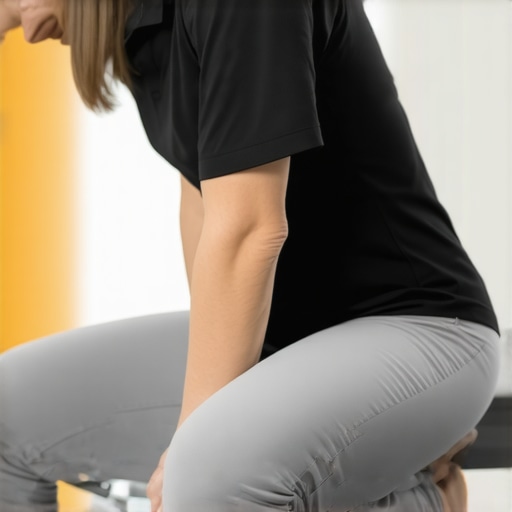
I remember the exact moment I realized something had to change. I was at my favorite coffee shop, feeling the sharp, shooting pain radiate down my leg every time I tried to stand up. It hit me hard—this wasn’t just a little back discomfort or a temporary annoyance. It was something more, something that was stealing my mobility and my zest for life.
Reclaiming Movement: The First Step Toward Relief
For months, I battled with uncertainty, frustration, and sleepless nights, desperately searching for effective ways to ease the pain. The good news? I discovered that with the right strategies tailored for 2025, boosting mobility and reducing sciatic pain is entirely possible. In this post, I’ll share the journey I took, including proven techniques that helped me turn things around—and can do the same for you.
Is Fast Relief Too Good to Be True?
Early on, I made a critical mistake—I believed that quick fixes like pills or temporary stretches would solve everything. Spoiler: they didn’t. Relying solely on short-term solutions only masked the problem, and I ended up worse off. It was a wake-up call that lasting relief requires a comprehensive approach, combining lifestyle changes, targeted exercises, and understanding the root causes. For more on effective strategies, check out this guide.
If you’ve faced similar struggles or fear that relief might be out of reach, you’re not alone. Many people underestimate how much their daily habits, posture, and routines contribute to persistent sciatic issues. That’s why I want to walk you through the essential steps that finally made a difference in my life—and can help you take back control of your mobility.
Targeted Movement Routines That Make a Difference
After recognizing the importance of consistent activity, I started incorporating specific exercises into my daily routine. I remember a morning when I hesitated to get on the mat, fearing pain. I gently started with pelvic tilts, imagining my spine as a flexible garden hose that needed gentle bends, not harsh twists. These movements gradually eased tension and increased my mobility. To optimize your routine, focus on gentle, controlled stretches that target the lower back and hamstrings. Use the [back mobility exercises](https://bodyrenewtherapy.com/boost-your-back-mobility-simple-exercises-that-make-a-difference) as a reference to build your custom plan.
The Art of Consistency
It’s tempting to think a single session will resolve everything. I learned that consistency is like watering a plant—neglect it, and growth stalls. Every morning, I dedicated five minutes to specific stretches, despite busy schedules, just like watering small plants daily to see steady growth. Incorporate habits like morning stretching or evening walks to embed mobility work into your day. Remember, small daily efforts compound over time, leading to significant relief.
Position Optimization for Daily Comfort
My posture was a silent contributor to my pain, much like a crooked picture frame distorting a room’s harmony. Adjusting my desk setup and seating became a game-changer. I placed my monitor at eye level, used ergonomic chairs, and added lumbar support. Think of your spine as a stack of books—if tall books lean or tilt, the whole stack becomes unstable. Use ergonomic insights from [posture correction tips](https://bodyrenewtherapy.com/enhance-your-back-mobility-ergonomic-tips-for-everyday-comfort) to readjust your workspace and daily habits.
Sleep That Supports Recovery
Restful sleep is like fueling your car overnight—it rejuvenates and prepares you for the journey ahead. I struggled with discomfort that made turning in bed painful. I invested in a firm mattress and experimented with sleeping positions that kept my hips and spine aligned, akin to stabilizing a leaning tower. If your sleep setup causes discomfort, explore ergonomic pillows and sleeping on your side with knees slightly bent. Proper sleep positions can significantly reduce morning stiffness and accelerate progress.
Incorporating Self-Massage and Relaxation
Stress and muscle tightness can be as stubborn as weeds in a garden. I started using foam rollers to gently massage my lower back and thighs, imagining a sculptor chiseling away excess stone for a clearer form. Regular self-massage helps release built-up tension, easing sciatic nerve pressure. For guidance on effective self-massage techniques, check the [self-massage tips](https://bodyrenewtherapy.com/effective-neck-pain-solutions-to-boost-mobility-and-reduce-discomfort). Incorporating relaxation, deep breathing, or meditation also calms your nervous system, reducing muscle tightness and promoting better movement.
Monitoring Progress and Adjusting
Keeping track of your improvements is like tuning a musical instrument—small adjustments ensure harmony. I kept a journal of my mobility levels and pain episodes, noting which movements provided relief. Over time, I identified patterns—certain exercises worked better in the morning when muscles were stiff. Regular check-ins allow you to adapt your routine, prevent plateaus, and stay motivated. For more structured guidance, consider consulting professionals at [body renewal therapy](https://bodyrenewtherapy.com/contact-us), who can tailor strategies for your unique needs.
Many individuals believe that sciatica and back pain stem solely from localized issues like herniated discs or muscle strains. However, a deeper understanding reveals that these symptoms often involve complex neuromuscular interactions and postural patterns. For example, chronic pain sufferers frequently overlook the role of foundational stability—the weakness or imbalance in core muscles—that perpetuates pain cycles. This oversight can lead to ineffective treatments and prolonged discomfort.
While some advocate for aggressive stretching or immediate medication, these approaches often address only surface symptoms. In reality, advanced techniques emphasize retraining neuromuscular pathways through controlled, specific movements designed to restore optimal motor control. Research indicates that targeting the nervous system’s role in muscle activation leads to more sustainable relief than solely focusing on tissue repair (see this comprehensive guide).
It’s also a common myth that pain is always directly correlated with injury severity. Many clients experience severe discomfort with minimal tissue damage, while others with significant structural issues report little to no pain. This disconnect stems from the brain’s perception of threat and the central sensitization process, which amplifies pain signals (consider reading about these insights). Recognizing this nuance is vital for advanced treatment planning.
What Should You Be Doing Instead for Lasting Relief?
Focus on developing a personalized, multimodal approach that incorporates mobility mastery, postural retraining, and neuromuscular re-education. For example, addressing poor proprioception—the body’s ability to sense its position—can drastically improve movement patterns and reduce pain episodes. Incorporating proprioceptive exercises, such as balance and stability drills, enhances overall control and resilience (learn more here).
Beware of the trap of seeking quick fixes—most often, these fail because they neglect the underlying neuromuscular and postural contributors. Instead, aim for a comprehensive, consistent strategy that promotes long-term change. When in doubt, consulting with specialists who understand the intricacies of pain science can make a crucial difference—consider reaching out to experts here.
Ever fallen into the mistake of oversimplifying pain management? Share your experience in the comments—I’d love to hear your story and discuss more nuanced approaches to lasting relief.
Stay Equipped for Long-Term Relief
Maintaining your progress in alleviating sciatica, back pain, and improving mobility requires not just daily routines but also the right tools and regular check-ins. Personally, I rely heavily on a combination of ergonomic equipment and digital resources to stay on top of my health. Investing in high-quality ergonomic chairs and adjustable desks has made a noticeable difference, helping me preserve proper posture throughout the day. For detailed guidance on setup, explore ergonomic tips that support spinal health.
Alongside physical tools, I use apps like MyFitnessPal to track my activity levels and pain patterns, ensuring I can recognize early signs of regression and adjust accordingly. Scientific studies indicate that consistent monitoring fosters accountability and increases adherence to mobility routines, ultimately leading to better long-term results (see this research).
Why Regular Maintenance Matters
Just like a car needs oil changes and inspections, your back and nervous system demand ongoing attention. Periodic assessments—either self-conducted or with a professional—enable you to identify emerging issues before they escalate. For instance, scheduling a session with a specialist at professional therapy studios can fine-tune your program, ensuring that you maintain mobility gains and prevent setbacks.
Moreover, integrating specific tools like foam rollers and massage balls into your routine helps manage muscle tightness and improve circulation. I personally keep a dense foam roller handy for daily usage, and I focus on rolling out my lower back and legs after prolonged sitting. Regular self-massage supports neural health and keeps inflammation at bay, as demonstrated in recent mobility research.
Where do you start with maintenance to keep pain at bay?
A good starting point is implementing a weekly check-in using a mobility assessment tool or app. This can be as simple as tracking pain levels and flexibility gains, which guides your next steps. I recommend trying the mobility mastery tips suggested in the body of this site to build a consistent maintenance routine. Remember, consistency and proper tools are your allies in sustaining long-term health.
Finally, stay curious about emerging technologies and methods. Trends like biofeedback devices and AI-powered posture monitors are advancing quickly, promising even more personalized and effective maintenance strategies. As these innovations become more accessible, integrating them into your routine could significantly enhance your resilience and comfort over time.
Don’t underestimate the power of simple, targeted interventions—try incorporating a dedicated foam rolling session before bed or after workouts. Combined with professional assessments every few months, these techniques can help you enjoy sustained relief and mobility. For expert assistance, don’t hesitate to reach out via our consultation services.
The Hardest Lesson I Learned About Sciatica and Mobility
One profound realization was that quick fixes are often temporary, and true relief demands patience and a holistic approach. I used to believe that a day of stretching or taking painkillers would solve everything, but I soon discovered that lasting recovery requires consistent effort and understanding root causes—like poor posture or muscular imbalances—that fuel pain cycles. Recognizing the importance of addressing the neuromuscular system changed everything for me.
My Favorite Tools That Made a Difference
I trust my foam roller for daily muscle relaxation, especially following long sitting sessions—it’s like giving my muscles a gentle reset. The ergonomic chair I invested in has been a game-changer for maintaining proper spinal alignment during work. Books such as “The Mindbody Prescription” deepened my understanding of pain as a brain perception, not just tissue damage. Lastly, digital apps that track my mobility progress have kept me accountable, turning small daily wins into long-term improvements.
Embrace Your Power: Start Your Mobility Journey Today
Healing from sciatic pain and regaining mobility is entirely within your reach—don’t let fear or frustration hold you back. Every step forward, no matter how small, composes a story of resilience and progress. Remember, the key is to personalize your approach, stay consistent, and seek support when needed. Your mobility future is bright—take that first step now. Ready to begin? Share your experience or questions below and start your transformation!
,