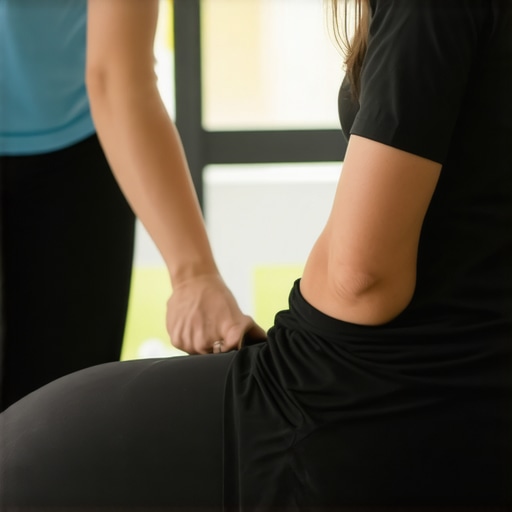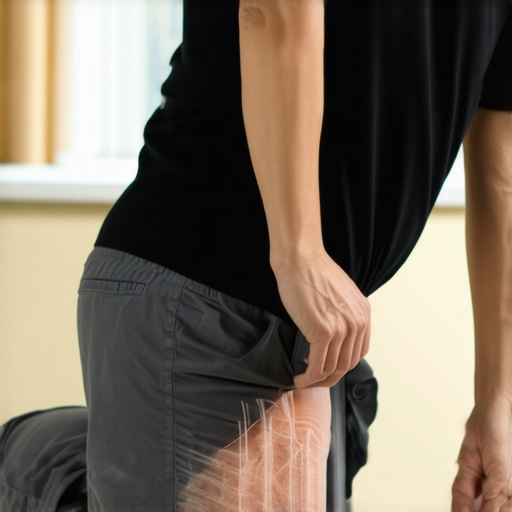
I remember the exact moment I felt that sharp, electrifying jolt down my leg while trying to bend over to pick up a box. My back was aching, and suddenly, I couldn’t stand straight. That lightbulb moment made me realize how much I’d taken my mobility for granted. If you’re reading this, chances are you’ve been there—struggling to move without pain or wondering if relief is even possible. Trust me, I’ve been through the frustration, and I want to share what finally worked for me.
Why Improving Mobility Matters When Dealing with Sciatica
Sciatica isn’t just about the pain; it’s about losing your freedom to move comfortably. When your sciatic nerve acts up, everyday activities like walking, sitting, or even sleeping become hurdles. It’s exhausting and can impact your mental health too. But here’s the good news: even if you’ve tried everything and feel hopeless, there are effective ways to turn things around. The key is understanding how to boost your mobility quickly and sustainably, so you can get back to doing what you love without pain holding you back.
Have You Faced This Specific Problem?
If you’ve ever experienced that sudden pain flare-up or found yourself avoiding movement because it worsened your symptoms, you’re not alone. I’ve been there—trust me. And I’ve learned that early mistakes can make things worse. For example, I used to think resting was the best solution, but that only prolonged my recovery. Instead, gentle movement and targeted exercises made all the difference. For more practical tips, check out this guide on effective sciatic relief strategies.
In this post, I’ll walk you through proven techniques that can help you regain mobility and reduce pain fast. Whether you’re dealing with a recent flare-up or chronic discomfort, these strategies are designed to bring you quick relief while setting the stage for long-term recovery. Ready to start feeling better? Let’s dive into the first steps that made all the difference for me and countless others.
Start Moving with Confidence
When I first faced a sciatica flare-up, I felt stuck, like a car with a frozen wheel. The key was to gently loosen that wheel through specific movements. I began with simple stretches that targeted my lower back and hips. These aren’t just random moves; they are precise techniques designed to increase flexibility and reduce nerve compression. For example, I sat on the floor, bent one knee, and gently pulled it toward my chest, feeling a stretch in my hip and lower back. Doing this daily, I noticed my pain lessening and my mobility improving. You can replicate this by following simple exercises that make a difference.
Control Your Movement Patterns
Think of your spine as a chain of links. If one link is rusty or stiff, the whole chain suffers. To keep that chain moving smoothly, I started paying attention to my posture during daily activities. Sitting at a desk, I made sure to keep my back straight and avoid slouching. When standing, I engaged my core muscles and avoided twisting or bending awkwardly. Small adjustments like these prevent further injury and promote healing. For ergonomic tips, check out ergonomic tips for everyday comfort.
Use Targeted Exercises for Lasting Relief
One of the most effective methods I found was incorporating targeted mobility exercises. These are not generic stretches but specific movements designed to open tight joints and loosen stiff muscles. I started with gentle pelvic tilts and cat-cow stretches, which helped mobilize my lumbar spine. Over a few weeks, I added in bridges and knee-to-chest stretches. These exercises are like tuning a guitar; they fine-tune your mobility and reduce nerve pressure. To see a curated list, visit simple exercises for back mobility.
Incorporate Movement Throughout Your Day
Waiting until pain strikes is a mistake I made early on. I learned that regular movement prevents stiffness and improves circulation. Set a timer to stand, stretch, or walk every 30 minutes. Even a short walk around the block can make a huge difference. Think of your spine like a garden hose; the more water flows, the less chance for blockages. Keep that water moving with light activities. For tips on maintaining mobility in daily life, explore posture and chronic pain.
Quick Relief Techniques for Immediate Comfort
If you’re in the middle of a flare-up, quick home remedies can provide relief. I often used cold packs to reduce inflammation and gentle massage to relax tense muscles. For immediate relief, try lying on your back with knees bent and feet flat on the floor, then gently rock your knees side to side. This mobilizes your lower back and relieves pressure on the sciatic nerve. Find more quick remedies at quick remedies for sciatica.
Consistency Is Your Best Ally
Finally, I learned that consistency beats intensity. Daily, gentle movement and mindful posture kept my back healthier and my mobility better than sporadic aggressive stretching. Remember, your spine is like a precious garden; nurture it daily, and it will flourish. For a comprehensive approach, visit effective strategies for fast pain relief and integrate these techniques into your routine.
Many people believe that back pain and sciatica are solely caused by simple issues like muscle strain or a slipped disc, but this is a misconception that can hinder effective treatment. In reality, the root causes are often more nuanced, involving complex biomechanical and neurological factors that require a deeper understanding. One common myth is that rest is the best remedy for back pain; however, prolonged inactivity can actually worsen mobility and prolong recovery. Instead, gentle movement, as I discuss in this guide on back mobility exercises, is typically more effective for restoring function and reducing pain.
Another widespread belief is that severe pain always indicates a serious problem requiring surgery. While some cases do necessitate surgical intervention, most back pain and sciatic issues respond well to conservative approaches like targeted exercises and lifestyle adjustments. Overlooking these options and rushing into invasive procedures often leads to unnecessary risks and longer recovery times. For advanced readers, it’s crucial to recognize the importance of personalized treatment plans, which are supported by studies like those from the Journal of Orthopaedic & Sports Physical Therapy, emphasizing the effectiveness of non-invasive therapies.
Beware of the trap of assuming that all mobility exercises are safe for everyone. Beginners often try to push through pain or perform aggressive stretches, risking further injury. Instead, focus on controlled, gradual improvements—this is especially vital when dealing with nerve-related issues like sciatica. For a safe starting point, check out mobility mastery tips that promote safe, effective progress.
How Can You Differentiate Between Myths and Facts About Back Pain?
It’s essential to scrutinize the information you receive, especially from unreliable sources. Consulting with healthcare professionals and relying on evidence-based strategies can prevent you from falling into costly misconceptions. For example, understanding that nerve compression often requires specific mobilization techniques, as shown in lifestyle changes for sciatic relief, helps tailor your approach for lasting improvement. Remember, what works for one person might not work for another, so personalized care is key.
Have you ever fallen into this trap? Let me know in the comments. Your experience might help someone else avoid these common pitfalls and find relief faster.
Maintaining your back health and mobility over time requires more than just sporadic exercises; it involves integrating specific tools and routines that support your body’s natural functions. As someone who has navigated the ups and downs of back pain and sciatica, I’ve found that the right equipment and habits make a significant difference in preserving progress and preventing setbacks.
Invest in Quality Support Devices
One of the first tools I rely on is a good ergonomic chair. It’s amazing how much a well-designed chair with lumbar support can reduce strain during long hours at a desk. I personally use a adjustable ergonomic office chair that encourages proper spinal alignment, which you can find detailed in this resource on ergonomic tips. Additionally, a supportive cervical pillow at night helps maintain neck alignment, preventing stiffness and pain upon waking. Over time, these support tools build a foundation for better posture and reduce the risk of flare-ups.
Incorporate Smart Monitoring
Technology has given us excellent ways to track and improve our mobility. I use a fitness tracker that monitors my daily activity levels and reminds me to move regularly. This simple nudge keeps me from staying sedentary for too long, which is crucial for back health. For those with more specific needs, apps that guide you through mobility exercises or posture checks—like those found in some physiotherapy software—can be game-changers. These tools help you stay consistent and ensure proper technique, which is vital to avoid aggravating existing issues.
Use Foam Rollers and Massage Tools
For my daily self-care routine, I rely heavily on foam rollers and massage balls. They help release tight muscles that can contribute to nerve compression or joint stiffness. I prefer a high-density foam roller with textured surfaces because it offers deeper tissue massage, which I’ve found reduces my tension and improves flexibility. Regularly incorporating these tools into my routine, especially after periods of prolonged sitting or intense activity, has kept my mobility intact and pain levels manageable. You can learn more about effective use of these tools at this guide on back mobility exercises.
Advanced Maintenance Techniques
Looking ahead, I predict a growing trend toward personalized mobility systems that combine wearable tech and AI-driven feedback. As research from sources like the Journal of Orthopaedic & Sports Physical Therapy highlights, tailored programs significantly enhance long-term outcomes. In the meantime, I recommend trying my favorite advanced tip: integrate brief, targeted mobility routines into your daily schedule, especially after long periods of inactivity. For example, a quick set of knee-to-chest stretches or pelvic tilts every hour can keep your spine flexible and reduce the risk of stiffness.
How do I keep my back healthy over time?
The key to long-term back health is consistency and proactive management. Regularly reviewing your posture, supporting your body with ergonomic tools, and staying active with mobility exercises are vital. Remember, the goal is to make these practices a natural part of your routine so that maintaining mobility becomes effortless rather than burdensome. For a comprehensive approach, I suggest exploring this detailed guide on daily mobility tips.
Start by incorporating one or two of these tools or routines today. Your future self will thank you for the effort you invest now in keeping your back strong and pain-free.
The Hardest Lesson I Learned About Back Pain and Mobility
One of my biggest realizations was that rushing to fix my back pain often made things worse. I used to believe that intense stretching or aggressive exercises would speed up recovery, but I learned that patience and gentle progress are key. Sometimes, the most effective move is simply listening to your body and giving it time to heal, which I discovered through trial, error, and a lot of patience.
3 Myths About Sciatica and Mobility That Held Me Back
I used to think rest was the best cure for my sciatic flare-ups. However, I found that staying active with controlled movements actually sped up my recovery. Another myth was that severe pain meant I needed surgery immediately—most cases respond well to conservative, targeted exercises. Lastly, I believed that mobility exercises were risky; instead, I learned they are safe and essential when done correctly, as shown in this resource.
What Experts Won’t Tell You About Back Pain and Mobility
Many professionals emphasize quick fixes, but I’ve found that sustainable mobility comes from consistent habits. Personalized routines and understanding your unique body are crucial. For instance, incorporating daily stretches and ergonomic adjustments, like those I found in ergonomic tips, made a huge difference in my journey.
My Essential Toolkit for Sciatica Relief and Mobility
I trust a few tools that have transformed my back health. An ergonomic chair with lumbar support is essential, as is a supportive pillow for proper sleep. Foam rollers and massage balls help release muscle tension, as detailed in this guide. Combining these with mindful movement creates a powerful routine for lasting relief.
Your Turn to Take Action and Reclaim Mobility
Remember, your back health is an ongoing journey, not a quick fix. Start small—integrate gentle stretches, improve your posture, and stay consistent. The more you invest in your mobility today, the more freedom you’ll enjoy tomorrow. Don’t wait for pain to dictate your life—take proactive steps now to keep your spine healthy and pain-free. What’s one small change you’re willing to make today to improve your back mobility? Share below and let’s support each other in this journey.
![Is Resting Your Leg Making Sciatica Worse? [2026 Case Study]](https://bodyrenewtherapy.com/wp-content/uploads/2026/02/Is-Resting-Your-Leg-Making-Sciatica-Worse-2026-Case-Study.jpeg)