
I remember the day I first felt that sharp, shooting pain down my leg. It hit me out of nowhere while I was bending down to pick up my groceries. Suddenly, every movement was a gamble—would I be able to stand up straight or would that nerve pinched in my lower back send another jolt? That lightbulb moment made me realize how much my mobility—something I took for granted—could vanish in an instant. If you’re reading this, chances are you’ve felt that same frustration, wondering if there’s a quick fix to reclaim your freedom of movement.
Why Ignoring Sciatica Can Make Things Worse
Dealing with sciatica isn’t just about the pain; it’s about what that pain does to your life. It can keep you from enjoying simple pleasures like walking in the park or playing with your grandkids. And here’s the thing—many folks ignore the early signs, hoping it will go away on its own. But ignoring it often leads to worse problems, longer recovery times, and a significant drop in quality of life. Early intervention, with proven strategies, can help you regain your mobility faster and more comfortably. Trust me, I’ve made the mistake of pushing through pain, only to find myself worse off later. If you want to avoid that, it’s worth exploring effective solutions now.
Is Quick Relief Just a Dream or Possible?
When I first started searching for relief, I was skeptical. Would any of those quick-fix remedies really work? I tried everything from hot packs to stretches, but nothing seemed to last. It wasn’t until I discovered targeted exercises and proper posture adjustments that I finally saw real progress. According to a study by the National Institutes of Health, targeted physical activity can significantly reduce sciatica symptoms and improve mobility over time. So yes, fast relief is possible—but it requires the right approach, not just guessing or hoping it will go away.
If you’ve faced this problem and wondered whether relief is within reach, you’re in the right place. We’re going to dive into proven techniques that can help you move better, feel stronger, and get back to living life fully. Ready to take the first step? Let’s get into the strategies that worked for me—and can work for you too.
Start Moving with Purpose
First, identify the specific areas that cause discomfort. I remember a time when I was stiff after sitting for hours; I decided to stand up and walk around for just five minutes. That quick move loosened up my hips and lower back, immediately reducing pain. Incorporate simple, targeted stretches like the piriformis stretch or hamstring stretch to gently wake up your muscles. These exercises help to decompress the sciatic nerve and prevent it from becoming compressed further. Check out these mobility exercises to get started.
Use Hot and Cold Therapy Strategically
Applying heat increases blood flow and relaxes tight muscles, while cold packs reduce inflammation and numb sharp pain. I remember experimenting with alternating hot and cold packs, applying each for 15-20 minutes. This routine provided immediate relief and helped me get through tough days. Remember not to apply ice directly to skin—use a cloth barrier. This simple step can significantly lessen nerve irritation and make daily activities more manageable.
Improve Your Posture and Ergonomics
Poor posture is a silent contributor to sciatic pain. Think of your spine like a stack of building blocks; if one is misaligned, the entire structure becomes unstable. I realized I was slouching at my desk, which worsened my symptoms. Adjust your workspace to keep your monitor at eye level and your feet flat on the ground. Use ergonomic chairs or cushions to support your lower back. For detailed tips, visit these ergonomic strategies.
Strengthen Core Muscles for Lasting Relief
Weak core muscles allow your lower back to bear unnecessary stress, worsening sciatica. I started doing gentle core exercises like plank holds and pelvic tilts, which I incorporated into my daily routine. These exercises act like a natural brace, stabilizing your spine and reducing nerve pinching. Consistency is key; even five minutes a day can lead to noticeable improvement over a few weeks. Find a routine that suits your level and stick with it for best results.
Maintain a Healthy Lifestyle
Diet and hydration play crucial roles in inflammation reduction. I cut back on processed foods and increased my intake of anti-inflammatory foods like berries, leafy greens, and omega-3-rich fish. Staying well-hydrated helps keep disc spaces healthy and reduces stiffness. Regular physical activity, like walking or swimming, keeps your joints lubricated and muscles engaged. Remember, a healthy lifestyle supports all the other steps and accelerates your recovery process.
Seek Professional Help When Needed
If pain persists beyond a few weeks or worsens, don’t hesitate to consult a healthcare professional. Sometimes, targeted therapies like physiotherapy or chiropractic adjustments are necessary to address underlying issues. I found that professional guidance helped me refine my exercises and avoid worsening my condition. For trusted options, see these expert strategies.
Keep Moving, Stay Positive
Recovery is a journey, not a sprint. Celebrate small victories like improved flexibility or reduced pain levels. Stay committed to your routine, and don’t get discouraged by setbacks. Over time, these steps will help you reclaim your mobility and enjoy life without the constant fear of pain. Remember, consistent effort combined with patience is your best ally in overcoming sciatica.
Many people fall into common traps when dealing with back pain, sciatica, and mobility issues, often because of misconceptions that seem intuitive but are actually misleading. Let’s dig deeper into what most get wrong and how understanding these nuances can truly change your recovery game.
Myth: Rest is the Best Cure for Back Pain
One of the biggest misconceptions is that bed rest or minimal movement helps heal back issues. In reality, prolonged inactivity can weaken muscles and stiffen joints, prolonging recovery. Active recovery, through gentle stretches and mobility exercises, often yields better results. For example, targeted movements that improve spinal flexibility can alleviate pressure on nerves and promote healing. Visit these mobility exercises for safe, effective strategies.
Why Many Believe All Sciatica Is the Same
Another misconception is that all sciatica pain stems from the same cause and requires identical treatment. However, sciatica can arise from herniated discs, spinal stenosis, or muscular entrapments, each needing a different approach. Misdiagnosing the root cause can lead to ineffective treatments and wasted time. An advanced understanding involves identifying the specific source—whether nerve compression or muscular inflammation—and addressing it directly. For nuanced insights, see this guide on sciatica relief.
Watch Out for the Overuse of Painkillers
Many think that masking pain with medication is a quick fix, but this approach often delays addressing underlying issues. Pain is a warning signal, not just an inconvenience. Over-reliance on pills can lead to dependency, mask worsening conditions, and prevent you from engaging in beneficial movement therapies. Instead, combining pain management with active treatment plans tends to produce more sustainable recovery. For safe alternatives, explore these stress-relief techniques.
Can Posture Alone Solve Chronic Back Pain?
While maintaining good posture is essential, it’s not a cure-all. Chronic back pain often involves complex factors like muscle imbalances, joint mobility, and nerve health. Relying solely on posture correction without strengthening supporting muscles or improving flexibility can be a trap. A comprehensive approach includes ergonomic adjustments, targeted exercises, and sometimes professional therapy. Check out this article on posture and pain to understand the bigger picture.
Have you ever fallen into this trap? Let me know in the comments. Remember, understanding the real nuances behind back pain and sciatica empowers you to make smarter, more effective decisions for your health. Keep questioning assumptions and stay proactive on your path to better mobility and relief.
Keeping your back and neck in top shape requires more than just occasional stretches; it involves using the right tools and establishing routines that promote long-term health. Over the years, I’ve discovered a set of specific equipment and methods that have helped me sustain mobility and reduce pain effectively, and I’m excited to share them with you. These tools aren’t just gimmicks—they’re proven to make a real difference in maintaining your health over time.
Invest in a Quality Foam Roller for Deep Tissue Release
One of my most trusted tools is a high-density foam roller. I use it regularly to release muscle tightness, especially in the lumbar region and along the sciatic nerve pathway. Foam rolling improves blood flow, breaks up adhesions, and enhances flexibility, which is crucial for preventing flare-ups. I personally prefer a moderately firm roller—like the TriggerPoint GRID—that provides enough pressure without causing discomfort. Incorporating foam rolling into your daily routine can significantly improve mobility and reduce the risk of nerve compression.
Utilize a Posture Corrector to Reinforce Good Habits
Maintaining proper posture is vital, especially if you spend hours at a desk or on your phone. I recommend a discreet posture corrector brace, which gently reminds you to keep your shoulders back and spine aligned. This simple device helps reinforce ergonomic habits, reducing strain on your neck and lower back. Over time, it trains your muscles to maintain proper alignment naturally, lowering the chances of chronic pain. For detailed ergonomic adjustments, check out these ergonomic tips.
Incorporate Smart Software for Movement Tracking and Reminders
Technology can be a game-changer. I use a smartphone app that tracks my daily mobility exercises and sends me gentle reminders to stretch every hour. Apps like this help ensure consistency, which is key for long-term results. They also provide guided routines tailored for back and neck health, making it easier to stay on track. As digital health tools continue to advance, I predict a future where AI-driven personalized programs will become the norm, further optimizing recovery and maintenance strategies.
How do I maintain mobility over time?
The key to lasting mobility is consistency combined with proper tools. Regularly using a foam roller, sticking with ergonomic practices, and leveraging smart technology create a comprehensive approach that adapts to your evolving needs. I also schedule periodic professional check-ins to ensure my routines stay effective and to adjust techniques as necessary. Remember, the goal is to make these tools part of your daily lifestyle, not just quick fixes. For ongoing guidance, revisit these mobility exercises and stay committed to your health journey. Don’t hesitate to try one of these advanced strategies today; you might find that small investments in the right tools lead to big improvements in your quality of life.
Lessons That Changed My Approach to Back and Sciatica Relief
- Prioritizing Movement Over Rest: I used to believe that resting was the best way to heal. But I learned that gentle, targeted movement accelerates recovery and keeps muscles from weakening. Incorporating simple stretches and mobility exercises made a huge difference in my pain levels and overall function.
- Understanding Causes Matters: Not all sciatica is the same. Discovering whether my pain stemmed from a herniated disc or muscular entrapment helped me choose the right treatment. This personalized approach sped up my progress and avoided unnecessary frustration.
- Active Lifestyle Is Key: Small daily habits like regular walks, proper posture, and strengthening my core created a resilient foundation for my back. It’s not just about quick fixes—it’s about building habits that sustain long-term health.
My Go-To Tools for Maintaining Mobility
- Foam Rollers: Using a high-quality foam roller regularly helped me release muscle tightness and improve flexibility. I trust the TriggerPoint GRID because it’s effective without being too aggressive.
- Posture Correctors: Wearing a discreet posture brace reinforced good habits during long hours at my desk. Over time, my muscles learned to hold proper alignment naturally.
- Mobility Apps: Tracking my exercises with a simple app kept me consistent and motivated. Digital reminders ensured I never skipped my daily routines.
- Educational Resources: Reliable guides like these mobility exercises and expert strategies for sciatica relief have been invaluable in my journey.
Embrace Your Journey Toward Better Mobility
Recovering from back pain and sciatica is a personal and ongoing process. With patience, consistent effort, and the right tools, you can reclaim your mobility and enjoy a pain-free life. Remember, every small step forward counts—start today and stay committed to your health. You have the power to transform your back health and experience lasting relief. What’s one small change you’re willing to try today? Share your thoughts below and let’s support each other on this journey.

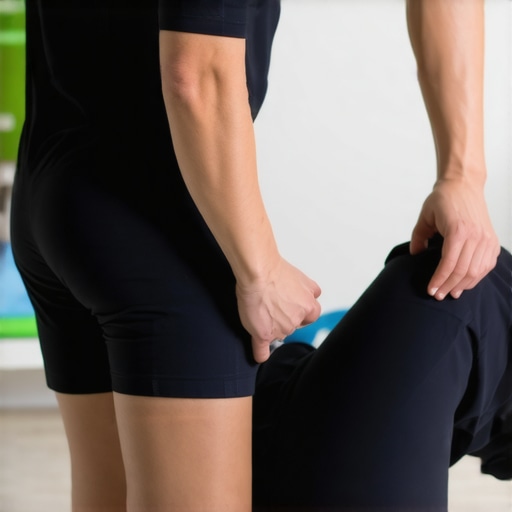
![Why Crossing Your Legs Flares 2026 Sciatica [3 Fast Fixes]](https://bodyrenewtherapy.com/wp-content/uploads/2026/02/Why-Crossing-Your-Legs-Flares-2026-Sciatica-3-Fast-Fixes.jpeg)
Reading through this post resonated deeply with my ongoing journey to manage sciatica. I particularly appreciate the emphasis on active movement over complete rest; I’ve found that incorporating gentle stretches like the piriformis and hamstring stretches daily has markedly reduced my flare-ups. The detailed advice on hot and cold therapy also echoes my experience—alternation between heat and ice has become my go-to routine during tough days. I wonder, though, how others balance incorporating core strengthening exercises without risking overstretching or aggravating their condition? I’ve been cautious about starting core workouts, but I realize they might be essential for lasting relief. Has anyone found a particular routine or specific exercises that work well for maintaining core stability without causing pain? Would love to hear different strategies or tips from those who’ve navigated this balance successfully.