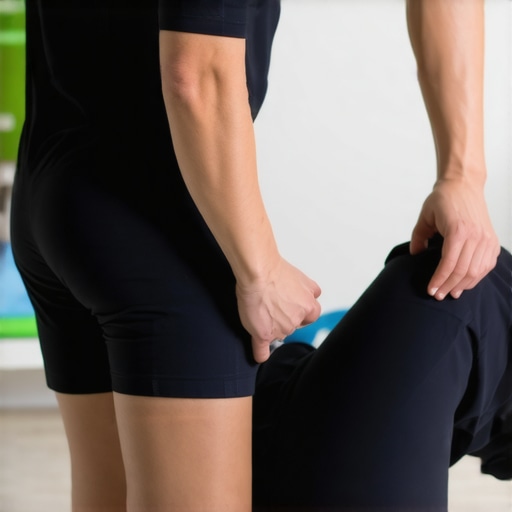
I’ll never forget the moment I realized my back pain was more than just an occasional ache. It hit me hard during a simple trip to the grocery store—I bent down to pick up a bag of potatoes, and suddenly, a shooting discomfort zapped through my lower back down my leg. That sharp, burning sensation was my lightbulb moment, making me confront how much sciatica was controlling my life.
Understanding That Pain is Not the End of the Line
If you’ve ever felt that sudden jolt of discomfort, you know how quickly it can steal your confidence to move freely. For me, those episodes became more frequent, gnawing at my daily routines and my hope for a pain-free life. It was then that I promised myself I wouldn’t let sciatica dictate my future. And today, I want to share that promise with you. We’ll explore proven methods that truly work to improve mobility and lessen discomfort, backed by both personal experience and expert insights.
Is This Treatment Just Hype or Actually Effective?
When I first heard about some of the recommended sciatica treatments, I’ll admit I was skeptical. I made a classic mistake early on—believing a quick fix, like resting for days on end, would solve everything. Turns out, inactivity made things worse, prolonging my pain rather than easing it. That realization pushed me to seek strategies grounded in proven techniques and consistent effort. If you’re tired of temporary relief and want lasting results, you’ll find helpful guidance at this resource. Now, let’s dive into why your approach to treatment needs a rethink and how you can start making real progress today.
Start Moving with Precision and Care
Think of your spine as a flexible bamboo stalk—bending and twisting without breaking requires mindful movement. To begin, incorporate gentle, controlled exercises that target your core and back muscles. One effective approach is the pelvic tilt, where lying on your back, you gently tighten your abdominal muscles and tilt your pelvis to flatten your lower back against the floor. I vividly remember practicing this after feeling stiff for days; within a week, I noticed increased mobility and less discomfort. Perform 10-15 repetitions daily to rebuild strength and stability. To keep your spine resilient, consult guidelines at this resource.
Stretch Smart to Release Tension
Target the Piriformis and Hamstrings
Muscles like the piriformis and hamstrings can compress your sciatic nerve, intensifying pain. Showers of relief come from regular stretching—think of untying knots in a rope. One stretch I used involved lying on my back, crossing my right ankle over my left knee, then gently pulling my left thigh toward my chest. This decompresses the sciatic nerve, offering instant relief and improving flexibility. Hold each stretch for 20-30 seconds, repeating three times per side. Remember, consistency is key to making lasting gains—integrate these stretches with insights from this guide.

Use illustrations showing piriformis and hamstring stretches to visualize proper technique.
Build Strength Without Overdoing It
Strengthening your back and core muscles is like reinforcing the foundation of a house. I started with plank variants—forearm planks, side planks—gradually increasing duration as my endurance improved. Each session, I paid close attention to maintaining a neutral spine, avoiding sagging or arching. This focused effort helped me regain stability and reduce flare-ups. Aim for 3 sets of 15-30 seconds, prioritizing control over speed. For detailed routines, explore this resource and incorporate exercises suited for your condition.
Practice Posture with Purpose
Stand tall like a proud tree, ensuring your ears, shoulders, hips, and knees are aligned. I caught myself slouching during work, which worsened my pain. To counter this, I set reminders to check my posture every 30 minutes and adjusted my workspace ergonomically—raising my monitor, supporting my lower back. This proactive approach was like turning a steering wheel to stay on course, preventing unnecessary strain. Incorporate ergonomic tips from this guide to make lasting changes.
Stay Consistent and Monitor Progress
Consistency transforms small daily efforts into significant improvements. Keep a journal of your exercises, stretches, and posture tweaks, noting any changes in pain or mobility. I found that tracking my progress motivated me to stick with my routine, especially on days when pain was persistent. If discomfort worsens or persists beyond a few weeks, it’s wise to consult with a specialist—yet, most of my improvements came from persistence and mindful practice. For signs to watch out for, review this article.
Many individuals believe that back pain and sciatica are simply the results of minor strains or poor posture, but in reality, there are deeper, often overlooked nuances that can hinder effective treatment. One common misconception is that rest is always the best remedy; however, prolonged inactivity can weaken stabilizing muscles and exacerbate pain over time. Instead, *targeted movement and proper strengthening exercises* are proven to promote healing and restore mobility, as emphasized in recent research on musculoskeletal health.
Another fragile myth is the idea that all pain experienced in the back or neck is directly tied to structural damage. While injuries can cause discomfort, persistent pain often involves complex neuromuscular factors, such as nerve hypersensitivity or maladaptive muscle guarding. Recognizing this nuance is critical; treating pain solely through structural fixes overlooks the importance of addressing neural and muscular contributions. Professionals like Dr. Stuart McGill highlight that understanding these layers can dramatically improve treatment outcomes.
What advanced strategies can help resolve chronic back and neck issues?
Incorporating a multifaceted approach that combines lifestyle adjustments, ergonomic awareness, and specific mobility routines yields superior results. For example, optimizing your workspace ergonomics, integrating mobility mastery techniques, and addressing stress-related tension are instrumental. External sources reinforce that neglecting these broader factors often results in recurring episodes or lingering discomfort, underscoring the necessity of a comprehensive plan.
Be cautious about quick fixes advertised online; they often ignore the complex interplay of tissues, nerves, and postural habits. Instead, I recommend exploring proven approaches detailed at this resource for sustainable relief. Remember, successful management of back and neck pain hinges on understanding these advanced nuances—no one-size-fits-all solution exists. Dive into my recommended strategies, and you’ll find lasting improvements that go beyond superficial fixes.
Have you ever fallen into this trap? Let me know in the comments and share your experiences. Addressing these misconceptions head-on is the first step towards genuine recovery and improved mobility.Maintaining mobility and managing pain over time requires more than just good habits; it demands reliable tools and strategies that support your progress sustainably. One of my favorite investments is a high-quality foam roller, specifically the TriggerPoint GRID. I personally use it daily to release muscle tension in my lower back and hips, which are key areas affected by sciatic discomfort. Its durable surface and molded shape help target tight spots precisely, promoting blood flow and flexibility. Incorporating foam rolling into your routine can prevent muscles from becoming overworked or strained, which is essential for long-term relief. Additionally, I rely heavily on a portable ergonomic lumbar support cushion for my desk chair. This small but mighty device helps maintain proper posture during extended work sessions, reducing stress on the spine and minimizing flare-ups.
For strength maintenance, I recommend using resistance bands like the Theraband Gold. I use these for gentle isometric exercises that strengthen core muscles without putting excessive strain on vulnerable areas. Resistance bands are versatile, inexpensive, and easy to pack if you travel, making them an excellent tool for ongoing support. Besides physical tools, I also utilize apps like PocketPhysio, which provides guided mobility routines tailored for back and neck issues. It offers video demonstrations and progress tracking, helping me stay accountable and ensure correct technique. Integrating these tools into your daily routine can make a significant difference in preventing setbacks and fostering long-term resilience.
Looking ahead, I predict that wearable technology will play an increasingly important role in managing back and neck health. Devices that monitor posture in real-time and provide gentle corrective prompts could become standard, empowering users to make immediate adjustments and avoid habits that lead to pain. Research from experts like Dr. Stuart McGill emphasizes the importance of ongoing movement awareness and muscle activation for sustainable health, which future tech can facilitate more effectively.
How do I maintain mobility and manage pain over time?
One effective method is consistent use of mobility tools, combined with mindful ergonomic practices. Regularly employing foam rollers to release tension, using lumbar supports during prolonged sitting, and performing resistance band exercises help reinforce muscular balance and prevent deterioration. For a comprehensive approach, consider incorporating habits from the top strategies outlined in this resource. Also, pay attention to early warning signs by staying vigilant about posture and muscle tightness, which can be monitored using smart devices available today. I encourage you to try integrating a foam roller or resistance bands into your routine this week—small steps that yield long-term benefits. Remember, consistency and smart tool use are your best allies in maintaining an active, pain-free life.
The Hardest Lesson I Learned About Back Pain, Mobility, Sciatica, and Neck Pain
One of the most profound insights came from realizing that persistence beats quick fixes. Early on, I was tempted by rapid solutions, but true progress required consistent daily effort and patience. I learned that small, deliberate movements, like mindful stretches and posture adjustments, compounded into significant improvements over time, reinforcing the importance of steady commitment.
Uncovering Myths That Stalled My Healing Journey
I used to believe that rest alone would heal my back and sciatica, only to discover that inactivity weakened my muscles and prolonged pain. Breaking free from this misconception was liberating—active recovery, combined with targeted exercises, proved far more effective. This shift in mindset emphasized the value of moving wisely, not avoiding movement altogether.
The Unexpected Role of Mindset and Stress in Pain Management
Managing stress and maintaining a positive outlook became pivotal in my healing process. Tension and anxiety often exacerbated muscle guarding and nerve sensitivity. By integrating relaxation techniques and mindful breathing, I found my body responded better to physical therapy routines, illustrating that mental well-being directly influences physical recovery.
My Essential Toolkit for Long-Term Relief
Over time, I’ve come to trust specific tools like foam rollers, resistance bands, and ergonomic supports. Each plays a crucial role in daily maintenance, helping me prevent setbacks and maintain mobility. For a comprehensive approach, I recommend exploring resources such as this guide, which offers actionable steps for sustainable relief.
Believe in the Possibility of a Pain-Free Future
The journey to overcoming back pain, sciatica, and neck discomfort is deeply personal but entirely achievable. Embrace a mindset of resilience, stay committed to smart movement, and utilize trusted tools. Your body is resilient, and with consistent effort, you can regain a life of mobility and comfort. Take that first step today—your future self will thank you.
Have you ever struggled to find a routine that sticks? Share your experience below and let’s support each other on the path to lasting relief.
,