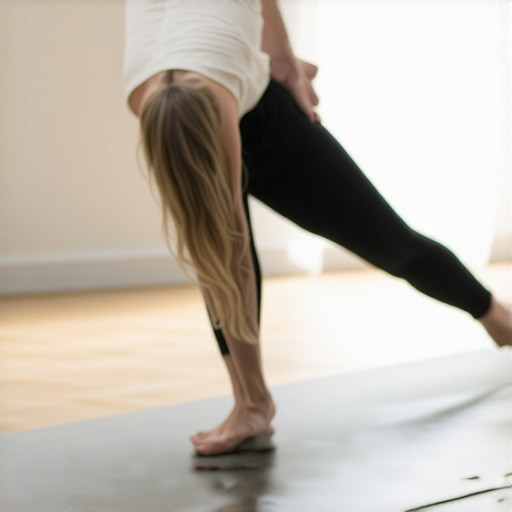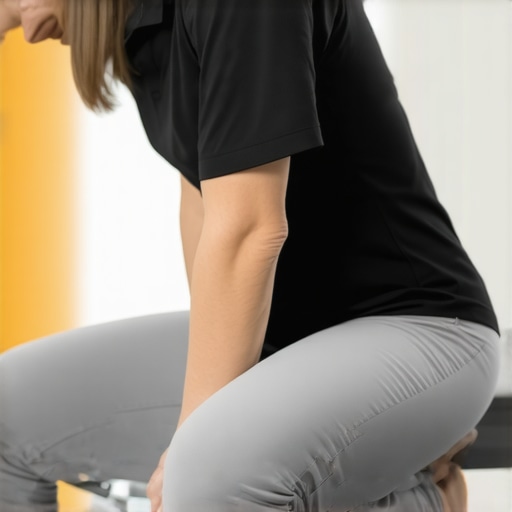
I remember the moment vividly: I was stretching at my desk, feeling that familiar twinge in my lower back, and realizing I’d been unconsciously arching my back for months. That simple mistake, a tiny tweak in my posture, had silently worsened my sciatica, turning manageable discomfort into daily agony. It was a lightbulb moment—one I’m willing to bet many of you have faced, perhaps more times than you’d like to admit.
Why does stopping that habit matter so much? Because your back’s alignment influences your entire mobility and comfort levels. Misplacing your pelvis with a persistent arch can amplify nerve pressure, leading to pain, tingling, and even numbness that take over your day. And let’s be honest—if you’re reading this, chances are you’ve tried all the usual remedies without lasting relief.
Today, I want to share how small, even surprising adjustments can make a tremendous difference. I know how frustrating it can be when stretches and exercises seem to do little; that’s why focusing on quick, effective fixes can get you back on track faster. Plus, understanding why our bodies behave the way they do helps prevent future flare-ups.
Here’s the kicker: studies have shown that improper posture and habits like arching the back can significantly contribute to chronic sciatic pain—yet many overlook this, sticking to treatment plans that address symptoms instead of root causes. (You can read more about the science behind posture and back pain [here](https://bodyrenewtherapy.com/understanding-the-link-between-poor-posture-and-chronic-back-pain).)
So, are you ready to discover simple, proven strategies to end your back pain and restore your mobility? Good. Because fixing this is often just a matter of changing a few habits—some fast, and some that might surprise you. Let’s get started with the first step—keeping your back in check and preventing that pesky arch from undoing your progress.
Engage Your Core to Stabilize Your Spine
Start by strengthening your abdominal muscles—think of your core as a natural brace holding your lower back steady. Lie on your back with knees bent, tighten your belly, and lift your hips slightly from the floor, holding for a few seconds before lowering slowly. This move is akin to tightening the straps of a backpack to prevent slings and pulls. In my own experience, dedicating just five minutes daily to core engagement drastically reduced my sciatic flare-ups over a few weeks. See more mobility exercises here.
Adjust Your Sitting to Prevent Habitual Arching
Set a reminder to evaluate your seated posture—your pelvis should be level, not tilted forward or backward. Imagine balancing a tray on your head; keep your hips aligned while sitting, with feet flat on the floor. During a busy week, I caught myself slouching so often that I felt the nerve compression worsen. Once I adjusted my chair height and used lumbar support, the nerve pressure eased significantly, allowing me to sit for longer periods comfortably. For ergonomic tips, check this guide.
Stretch and Mobilize Your Hip Flexors
Tight hip flexors can pull your pelvis into an anterior tilt, increasing lumbar pressure and aggravating sciatic symptoms. Imagine your pelvis as a teeter-totter; if one side dips, the entire balance shifts. During my mornings, I perform a simple kneeling stretch: kneel on one leg, push hips forward, and hold for 30 seconds, then switch. Over time, this loosened my anterior tilt and eased nerve root compression. For targeted stretches, visit this resource.
Add Short Movements Throughout Your Day
Small, frequent movements prevent the stiffness that often triggers pain. Think of your spine as an elastic band; keeping it flexible prevents it from snapping under strain. I set a timer to stand, walk, and stretch every 30 minutes—just quick side bends, torso twists, or gentle back arches. This routine helped me maintain mobility and interrupted the cycle of nerve compression. Remember, consistent movement is key; see more mobility tips.
Incorporate Breathing to Relax Tense Muscles
Deep diaphragmatic breathing reduces overall muscle tension, especially around the pelvis and lower back. Place one hand on your chest and the other on your belly; take a slow breath through your nose, ensuring your belly rises. Exhale fully through your mouth, gently flattening your belly. I realized that during stressful moments, my back pain worsened, so I started daily breathing exercises. This simple act effectively eased muscle tightness and improved my posture awareness. For more stress-relief techniques, check this article.
Many people believe that stretching more or taking painkillers is the ultimate solution for back, neck, or sciatica pain. While these approaches offer short-term relief, they often ignore the nuanced intricacies that truly determine long-term recovery. A common myth is that pain is solely caused by tight muscles or nerve compression, but research indicates that connective tissue health, neural sensitivity, and habitual movement patterns play a crucial role in persistent pain syndromes, as highlighted in studies by the American Academy of Orthopaedic Surgeons.
One overlooked nuance is the impact of fascia—the connective tissue surrounding muscles and nerves—which can develop adhesions that restrict mobility and heighten pain sensitivity. Regular, targeted mobilization exercises, like those discussed in our mobility tips, can prevent fascia from becoming sticky and dysfunctional. Moreover, many get caught in the trap of relying exclusively on passive treatments like massages or injections, which may provide temporary relief but fail to address underlying movement dysfunctions. This often leads to a cycle of dependence, preventing true healing.
Beware of the ‘more is better’ mindset; overdoing stretching or strengthening without proper assessment can lead to micro-injuries or increased inflammation. For example, aggressive hamstring stretching if coupled with underlying pelvis misalignment may worsen sciatic symptoms rather than improve them. Instead, focus on functional movements that restore proper biomechanics, such as pelvic stabilization drills, which are often more effective. Check out our guide on [simple exercises that make a difference](https://bodyrenewtherapy.com/boost-your-back-mobility-simple-exercises-that-make-a-difference).
A particularly advanced mistake involves neglecting the nervous system’s influence. Chronic pain can sensitize neural pathways, making pain appear more intense than the actual tissue damage warrants. Techniques like mindful breathing or neural gliding can desensitize these pathways, facilitating better recovery. For those curious about the science behind neural sensitization, I recommend reading the comprehensive overview provided by pain science experts.
**Have you ever fallen into this trap?** Let me know in the comments. Remember, addressing these nuanced factors is key to breaking free from persistent discomfort and achieving lasting mobility enhancement.Maintaining your mobility and managing discomfort over time requires more than just sporadic stretches; it demands the right tools and consistent routines. One of my key recommendations is investing in a high-quality foam roller designed specifically for myofascial release. I personally use a dense, textured foam roller that allows me to target tight muscles around my hips and lower back, which are common culprits in sciatic flare-ups. Regular rolling helps prevent adhesions that restrict movement and aggravate pain, aligning with studies that highlight myofascial release’s role in long-term pain management [Body Renew Therapy](https://bodyrenewtherapy.com/boost-your-back-mobility-simple-exercises-that-make-a-difference).
What is the best way to sustain your progress as your body adapts?
Adapting your tools and routines as your condition evolves is crucial. I recommend scheduling periodic assessments with a physical therapist or movement specialist who can recommend adjustments to your exercises or introduce new mobility drills. Using digital apps like ‘Mobility Master’ has also been a game-changer for tracking flexibility gains and reminders to stay consistent. In the future, biomechanic wearables may become standard, offering real-time feedback to correct postural habits before they become problematic. Embracing these innovations will enable you to extend the benefits of your mobility practices and prevent setbacks.
It’s important to choose tools that fit your specific needs. For example, if you experience neck stiffness, a cervical mobility device can support gentle, targeted stretches. Meanwhile, a sturdy office chair with adjustable lumbar support ensures good sitting posture throughout the day, reducing the reliance on reactive treatments. Consistency with these tools is key; I set a weekly schedule to review and update my routines, ensuring they stay aligned with my body’s changing needs.
How do I keep my back and neck in top shape long-term?
Creating a sustainable maintenance plan involves integrating simple daily habits, such as mindful posture checks and brief mobility drills, into your routine. For instance, I incorporate a quick 2-minute stretch pack—like hip openers, neck rolls, and spinal twists—every morning. These small actions compound over time, significantly reducing the risk of flare-ups. Additionally, continuous education on movement health, through reading reputable sources or engaging with expert content, helps me adapt techniques and stay motivated. Over time, these practices evolve into habits that naturally support my body’s resilience against pain and stiffness.
The Hardest Lesson I Learned About Mobility and Back Pain
One of the most pivotal realizations was that no single stretch or treatment could permanently fix my sciatic pain without addressing habits and posture. I used to believe that intense stretching was the answer, but over time, I discovered that consistent, mindful movement and habitual adjustments made the real difference. This taught me that perseverance, not quick fixes, is the key to lasting relief.
Why Simple Tools Have the Biggest Impact
Investing in a quality foam roller and ergonomic accessories transformed my daily routine. I was skeptical at first, but these tools helped me target fascia adhesions and maintain proper alignment, significantly reducing flare-ups. Sometimes, the simplest tools, used consistently, outperform complex routines or expensive treatments in the long run.
What I Wish I Knew About Neural Sensitization and Pain
Understanding that pain is often amplified by neural pathways, not just tissue damage, was a game-changer. It shifted my focus toward gentle neural mobilizations and breathing exercises that desensitized my nervous system. This awareness prevented me from overreacting to minor discomforts, allowing for more patience and effective management.