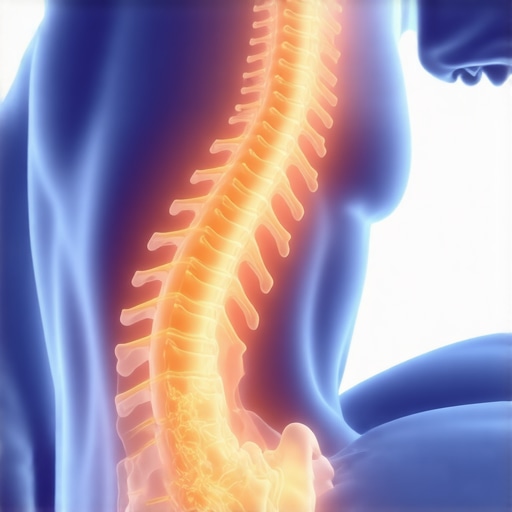
I remember the moment so vividly—standing in my kitchen, clutching my lower back, pain shooting down my leg like a lightning bolt. It wasn’t just a dull ache; it was a sharp, relentless pressure that made every step feel like a gamble. That was my wake-up call. I had been told to focus solely on stretching or applying heat, but nothing seemed to make a real difference. Honestly, I felt stuck, frustrated, and beginning to think I’d have to live with this nagging sciatic discomfort forever.
Then I realized something: the conventional advice I’d followed was like trying to fix a leaking pipe by sanding the edges. It might provide temporary relief, but it doesn’t address the root cause—my nerve health and mobility. That’s when I started digging deeper, exploring smarter, more effective strategies. And trust me, in 2026, there’s a smarter way to handle nerve pain than just ‘flossing’ your sciatica.
Today, I want to share with you a new approach—three proven nerve fixes that truly work. Forget the outdated stretches and band-aid solutions. We’re talking about methods designed to address the underlying issues and rebuild your mobility sustainably. If you’re tired of temporary fixes and want real relief, stick with me. Because I guarantee these strategies can change how you feel, from the core of your nerve health to your everyday movements.
Have you ever faced that moment where a simple activity—standing, walking, even sitting—suddenly becomes a challenge? If you’ve dealt with sciatic pain, you’re not alone. And more importantly, there are better ways to cope than what most of us stumble through. Did you know that improper nerve care can lead to lasting nerve damage, which is why early intervention is crucial? According to a recent study, nerve regeneration strategies can significantly improve mobility and reduce pain if implemented properly (source: [https://bodyrenewtherapy.com/unlocking-sciatica-relief-expert-strategies-for-lasting-comfort](https://bodyrenewtherapy.com/unlocking-sciatica-relief-expert-strategies-for-lasting-comfort)).
Now, let’s explore why conventional ‘flossing’ often falls short and what truly effective fixes look like. Rethink your approach, and I promise you’ll start to reclaim your movement and comfort. Ready? Let’s dive into the first game-changing fix that could be a game-changer for your nerve health.
Start Gentle Mobilization to Reset Your Nerve
My first real breakthrough happened when I committed to gentle movements that mobilize my spine and hip areas. I remember one morning, stumbling through a sequence of slow pelvic tilts while watching the sunrise. This movement is like gently waking up a stiff muscle, encouraging blood flow and reducing nerve pressure. Lie on your back with knees bent, and slowly tilt your pelvis upward, flattening your lower back against the floor. Hold for a few seconds, then relax. Repeat for 10 reps. This simple move shifts the pressure off irritated nerves and sets the foundation for improved mobility. For more detailed routines, check out this guide.
Practice Specific Nerve Gliding Exercises
Nerve gliding is crucial for restoring flexibility in your sciatic nerve. Think of your nerve like a cable that needs to move smoothly through its sheath without getting pinched. I personally experienced the benefit after doing gentle ankle dorsiflexion combined with knee and hip movements—mimicking the natural pathways nerves travel. Sit on the edge of a chair, extend one leg, and dorsiflex your foot (pull toes toward your shin). As you do this, slowly straighten your leg, keeping tension light. Repeat 10 times on each side. This technique encourages nerves to slide without resistance, easing chronic tightness. To master this, refer to this resource.

Strengthen Supporting Muscles to Offload Nerve Pressure
Weak muscles around your back and hips often force nerves into overextension, worsening pain. I started incorporating simple hip bridge exercises, lying on my back with knees bent and feet flat, then lifting my hips slowly off the ground while squeezing my glutes. Like simultaneously tightening a suspension bridge, this move stabilizes your pelvis and relieves strain on your sciatic nerve. Perform 3 sets of 10 reps daily. Strengthening these muscles acts as a protective brace, reducing nerve irritation during daily activities. For targeted guidance, explore this article.
Integrate Posture Awareness into Daily Routine
Poor posture is a silent culprit that keeps tension on your nerves. When I paid attention to sitting and standing alignments, I noticed immediate relief. Imagine your spine like a stack of books—keep it upright and balanced. Use ergonomic chairs or lumbar support pillows, and avoid slouching. Set regular reminders to check your posture, especially during prolonged sitting. This simple shift prevents repetitive nerve compression and maintains mobility. To optimize your ergonomic setup, see this guide.
Many assume that sciatica and back pain are simply caused by muscle strain or nerve compression that can be fixed with basic stretches or medication. However, this common misconception overlooks the complex interplay between joint mechanics, nerve health, and postural patterns. In my experience, addressing only surface symptoms often leads to temporary relief at best, and persistent issues at worst. The real nuance lies in understanding the body’s adaptive responses; chronic pain often results from compensatory movement habits or imbalances that, if left uncorrected, can exacerbate nerve irritation and mobility loss. For instance, a frequent trap is mistaking inflammation as the sole culprit, when in reality, nerve entrapment due to restricted joint mobility plays a significant role. This is backed by recent research indicating that restoring joint function through targeted mobility exercises can alleviate nerve pressure more effectively than traditional passive therapies. Moreover, many patients overlook the importance of supporting muscles and posture in maintaining long-term relief. Weak stabilizers like the glutes and core are often the hidden contributors to ongoing nerve strain, yet they are neglected in standard treatments. Incorporating strength training for these support systems, alongside mobility drills, creates a sustainable pathway to recovery. Additionally, advanced practitioners recognize that nerve health isn’t just about local treatments; systemic factors like posture habits, ergonomic setups, and movement patterns must be optimized. For example, ensuring your desk setup supports spinal alignment can prevent aggravation of sciatic symptoms over time. To prevent falling into common pitfalls, avoid the trap of relying solely on stretching—this might temporarily loosen tight muscles but won’t correct the underlying joint restrictions or movement compensations. Instead, focus on an integrated approach that combines mobility, strength, and posture awareness. For those seeking a deeper understanding, exploring cornerstone strategies like back mobility exercises or sciatica relief techniques can offer lasting benefits. Have you ever fallen into this trap? Let me know in the comments.Maintaining your progress in alleviating sciatica, back pain, or neck discomfort requires the right tools and consistent strategies. I personally rely on a combination of specialized equipment and digital resources to ensure that my mobility stays optimal over the long term. For example, my preferred foam roller isn’t just any rebound; I use a dense, high-quality foam roller that targets my fascia and muscles precisely, preventing my muscles from tightening and exacerbating nerve pressure. It provides just enough firmness to release trigger points without causing further strain. Incorporating a reputable mobility app like ‘Mobility Mastery’ allows me to follow structured routines tailored to my needs, eliminating guesswork and keeping me accountable. The app’s guided exercises help me focus on areas prone to stiffness, such as my hips and lower back, ensuring I address potential issues before they escalate.
Beyond physical tools, I leverage software that tracks my daily activity and alerts me when I’ve been stationary too long. Regular movement breaks are essential, especially for those working at desks or in sedentary routines. Setting reminders to perform short mobility drills, like hip circles or shoulder rolls, can significantly reduce stress on the nerves and joints. For those wondering how to keep their nerve health resilient long-term, consistency in these practices is key.
Looking ahead, I predict that technology for nerve health will become even more personalized. Wearable sensors may soon offer real-time feedback on nerve strain or muscle tension, guiding users to adjust their movements proactively. This integration of biofeedback could revolutionize how we maintain mobility and prevent pain.
So, I urge you to try incorporating a portable massage ball into your routine. Just a few minutes of targeted pressure can release tightness and support nerve recovery. Regularly using tools like these, combined with mobility apps and movement reminders, creates a sustainable system to keep your back, neck, and sciatic nerves functioning at their best. Curious to explore further? Check out more detailed guides on [mobility mastery](https://bodyrenewtherapy.com/mobility-mastery-daily-tips-to-keep-your-spine-and-joints-healthy) for daily tips. Remember, sustaining your nerve health is an ongoing journey—equip yourself wisely and stay consistent to enjoy lasting relief.
Why the Quick Fix Often Backfires
One of the hardest lessons I learned was that relying solely on traditional stretches and heat therapy can give temporary relief but rarely addresses the root causes of sciatic pain. This realization pushed me to look beyond surface treatments and focus on strengthening and mobility strategies that rebuild nerve health from within.
The Power of Mindful Movement Over Time
I discovered that consistent, gentle movements—like pelvic tilts and nerve gliding—create sustainable improvements. These aren’t just exercises; they’re habits that retrain your body’s responses, preventing recurrence and promoting genuine healing.
How Posture Habits Shape Your Recovery
In my journey, paying close attention to everyday postures—sitting, standing, sleeping—made a massive difference. Small adjustments, when practiced daily, can reduce nerve compression and set the stage for long-term relief, highlighting the importance of ergonomic awareness.
My Essential Tools for Nerve Resilience
From high-quality foam rollers to mobility apps like ‘Mobility Mastery,’ these resources provide guidance and consistency. They serve as both education and motivation, turning complex concepts into actionable routines that fit into daily life, ensuring ongoing progress.
The Emotional Shift That Changed Everything
Adopting a patient, healing-minded perspective transformed my outlook. Real progress happened when I embraced the idea that nerve health is a continuous journey—celebrating small wins and understanding setbacks as part of growth. This mindset keeps me committed and hopeful every day.
Explore More So You Never Stall in Progress
Curating my toolkit of trusted resources—like back mobility exercises and sciatica relief techniques—has been essential for maintaining momentum. These guide me through ongoing adjustments, ensuring my progress isn’t just temporary. Prioritize consistent mobility work and mindset shifts to safeguard your nerve health for the future.



Reading this post really resonated with my own experience dealing with sciatic pain. I used to rely solely on stretching, but I found that adding gentle nerve gliding exercises made a huge difference in my recovery process. The analogy of nerves like cables needing to slide smoothly really helped me understand what was going on. One thing I’ve noticed is that maintaining good posture throughout the day has been crucial in preventing flare-ups. I’ve started setting reminders for posture checks, especially during long hours at my desk, and the improvement in my symptoms has been noticeable. Has anyone here integrated movement tracking or biofeedback devices into their routine? I’m curious if those tools really offer an extra edge in nerve health management, especially for busy schedules. Overall, I appreciate the emphasis on consistent moves and strengthening supporting muscles—these steps felt empowering and more sustainable than quick fixes. Looking forward to trying some of the strength exercises and mobility tips shared here.
This post really hits home for me, especially the focus on addressing the root causes rather than just quick fixes. I’ve been dealing with sciatic nerve issues for quite some time, and I agree that gentle mobilization and strengthening support muscles have made a noticeable difference in my daily comfort. I’ve also started paying closer attention to my posture, especially while working from home, and it’s impressive how much a simple ergonomic adjustment can alleviate constant tension. One thing I’ve been exploring is using a posture sensor device that gives real-time feedback to help maintain good alignment throughout the day. Has anyone tried these tech tools? Do they really help keep postural habits in check and improve nerve health over time? I’d love to hear about others’ experiences with biofeedback or similar devices. It seems like a proactive approach that complements mobility exercises well, especially for busy schedules where consistent thinking about posture can slip. Thanks for sharing these actionable tips—definitely motivated to incorporate more of these practices into my routine.
Reading this post really struck a chord with my own journey through sciatic nerve issues. I completely agree that the typical advice of just stretching and heat therapy is only a temporary fix, often overlooking the deeper support system of muscles and joints that need strengthening. I’ve found that integrating small, daily mobility routines like pelvic tilts and nerve gliding exercises can really make a difference over time. The analogy of nerves as cables that need to slide smoothly is so accurate—imagine how frustrating it is when those cables get pinched or stuck! Since I started paying close attention to my posture and incorporating core and glute strengthening exercises, I’ve noticed a significant decrease in flare-ups. I’m curious, has anyone else tried wearable tech like posture sensors or nerve tension monitors? Do they genuinely help in maintaining better habits, or is it more about consistency with movement and strengthening? I’d love to hear your thoughts or experiences on this. It’s encouraging to see a comprehensive approach to nerve health that balances mobility, support muscles, and daily habits.
This article really emphasizes the importance of addressing the underlying causes of sciatic pain, which resonates with my own experience. I used to focus solely on stretching, but I found that strengthening my core and supporting muscles made a much bigger impact in long-term relief. The analogy of nerves like cables needing to slide smoothly is so accurate—it’s easy to overlook how much support system plays a role in nerve health. I’ve also started using a posture sensor device that gives real-time feedback during my workday, and it’s been surprisingly helpful in maintaining better alignment. Has anyone else tried such tech tools? Do they truly make a difference in habit formation and pain prevention? It seems like combining mobility exercises with tech solutions can be a powerful approach, especially for busy schedules where consistency is challenging. Would love to hear others’ experiences and tips for integrating these practices into daily routines for lasting nerve health.