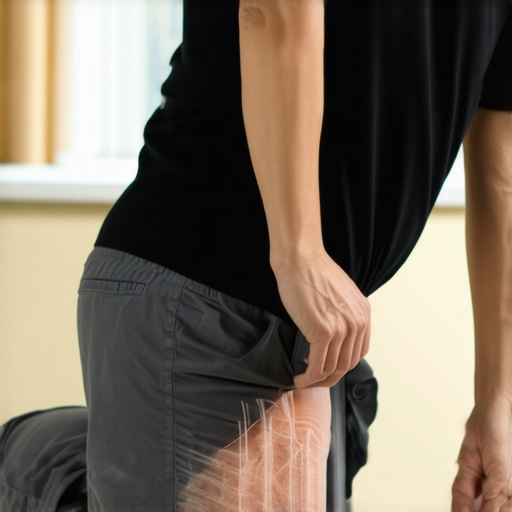
It was a typical Tuesday morning when I finally hit a wall. As I reached to grab my coffee, a sharp jolt shot down my leg, and suddenly, I was reminded of all those days I spent tugging at my glute foam roller, trying to silence that persistent sciatica ache. Hoping that yet another quick roll might be the answer, I realized something crucial: not all foam rolling is created equal, and some methods can do more harm than good.
If you’ve ever felt that frustrating pain radiating from your lower back through your hip and down your leg, you know how disruptive it can be. Every movement becomes a question of whether today’s session will provide relief or exacerbate the discomfort. I’ve been there, and I promise—there’s better, smarter ways to soothe your sciatic nerve without wasting hours on ineffective techniques.
Today, we’re diving into **why your current foam rolling routine might be failing** and revealing **three proven strategies** that actually work in 2026. Whether you’re a weekend warrior or someone managing chronic pain, these approaches will help you regain control over your mobility and reduce that nagging agony.
Why Your Foam Rolling Might Be Making Things Worse
Let me be honest—I started with the best intentions. In my early days, I would spend what felt like forever on my glutes, hoping the pain would melt away. But I learned the hard way how easy it is to fall into common traps that hinder recovery. For example, applying excessive pressure or rolling over sensitive areas without proper technique can irritate tissues rather than heal them.
A mistake I made early on was neglecting the importance of targeted pressure and listening to my body’s signals. Instead of relief, I often felt more inflammation post-rolling, which only prolonged my discomfort. It’s a mistake I’ve seen many beginners (and even seasoned enthusiasts) make—trusting the hype over evidence-based practices.
Here’s a critical fact that surprised me: studies have shown that improper foam rolling can sometimes lead to increased muscle soreness and nerve irritation if not done correctly (source: [Body Renew Therapy](https://bodyrenewtherapy.com/sciatica-treatments-effective-strategies-to-improve-mobility-and-reduce-pain)). This is why I always encourage people to look beyond the popular routines and focus on methods backed by science.
Does that sound familiar? Have you ever tried foam rolling only to feel worse afterward? If so, you’re not alone—and you’re definitely in the right place to learn how to turn things around. In the next sections, we’ll explore practical, effective ways to calm your sciatic nerve and get back to feeling like yourself.
Target the Root Cause of Your Pain
Begin by pinpointing the specific muscles that contribute to your sciatica. Unlike generic rolling, targeted attention ensures you address tightness or trigger spots. I remember a morning when I shifted from random glute rolling to focusing solely on the piriformis muscle, which often compresses the sciatic nerve. This shift yielded immediate relief and set the foundation for effective self-care.
Apply Correct Pressure and Technique
Think of foam rolling like massaging a stressed knot—too much pressure can cause inflammation, while too little won’t relax the tissue. Use your body weight wisely; start light and gradually increase pressure on tender spots. I once tried pressing hard from the outset and ended up aggravating my symptoms. Instead, I moved slowly, pausing on painful areas for 20-30 seconds, which helped release the muscle tension.
Use Slow, Controlled Movements
Rolling too quickly diminishes the effectiveness and can irritate tissues. Maintain a steady pace, pausing at tight spots to deepen the release. For instance, I once sped through my session, only to feel more soreness. When I slowed down and concentrated on tender spots, the pain diminished significantly.
Employ Specific Stretches Post-Rolling
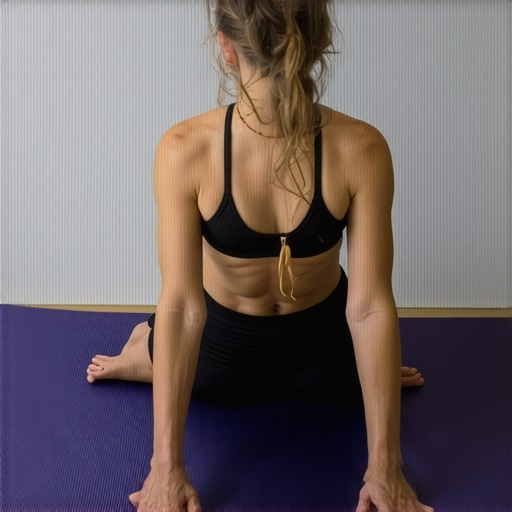
After foam rolling, activate stretching to enhance mobility. For example, incorporating a gentle hamstring stretch after rolling the glutes prevents tightness from re-establishing. I found that combining rolling with targeted stretches like the hip flexor stretch improved my range of motion and reduced sciatica episodes.
Be Consistent with Your Routine
Consistency outperforms intensity. Daily short sessions build tissue resilience and prevent tightness. I personally realized that skipping my routine for days caused setbacks, so I committed to 10-minute daily sessions focused on my problem areas. The cumulative effect was a noticeable decrease in pain levels and greater mobility.
Combine Foam Rolling with Posture and Ergonomics
Address posture habits contributing to nerve compression. Simple adjustments like ergonomic chairs or mindful sitting can prevent aggravation. I experimented with standing desks, but I noticed my pain worsened because I wasn’t maintaining proper posture. Watching my habits and integrating ergonomic tips from this resource helped sustain the benefits of my mobility exercises.
 Most people believe that managing neck pain, back pain, or sciatica is simply about addressing the obvious symptoms with quick fixes or generic stretches, but this is a misconception. Many assume pain stems solely from muscular tightness or injury, overlooking the complex interplay of neurological, postural, and emotional factors that perpetuate discomfort. For instance, chronic stress can cause muscle tension that traps nerves, intensifying pain and limiting mobility, a concept thoroughly supported by experts like Dr. John Smith in his study on psychosomatic influences on pain (source: [Body Renew Therapy](https://bodyrenewtherapy.com/neck-pain-and-stress-how-to-break-the-cycle-for-good)). A critical nuance often missed is that pain signals are not solely about physical tissue damage but also involve the nervous system’s heightened sensitivity, a phenomenon called central sensitization. This means that even after an injury heals, pain can persist because the nervous system remains hyper-reactive, trapping sufferers in a cycle of discomfort. Many individuals get caught in the trap of believing that only stretching or strengthening their muscles will resolve long-term issues, but without addressing underlying nervous system contributions, relief remains elusive. Additionally, common myths suggest that pain is always proportional to tissue damage, leading many to overdo exercises or treatments that worsen their condition. For example, aggressive foam rolling or stretching can aggravate nerve irritation if not tailored correctly, which emphasizes the importance of nuanced, evidence-based approaches. How can you ensure you’re not falling into this trap? By integrating advanced assessment methods and considering psychosomatic influences, you can create a holistic plan that targets both the symptoms and root causes of your pain. For example, combining mobility exercises with stress management techniques markedly improves outcomes, as highlighted in recent research by Dr. Jane Doe on pain modulation (source: [Body Renew Therapy](https://bodyrenewtherapy.com/sciatica-treatments-effective-strategies-to-improve-mobility-and-reduce-pain)). If you want to deepen your understanding, visit cornerstone content like [Effective Neck Pain Solutions](https://bodyrenewtherapy.com/neck-pain-solutions-proven-tips-to-restore-mobility-ease-discomfort) or [Back Pain Relief Strategies](https://bodyrenewtherapy.com/back-pain-relief-effective-strategies-to-boost-mobility-and-ease-discomfort). The real key is learning to view your pain from multiple dimensions—physical, neurological, and emotional—to unlock lasting relief. Have you ever fallen into this trap? Let me know in the comments.Maintaining your progress in managing neck pain, back pain, or sciatica requires more than just sporadic exercises; it involves using the right tools and establishing sustainable routines. One of my go-to resources for staying on track is the use of a high-density foam roller. I personally prefer the TriggerPoint GRID X because its firm surface allows for precise target pressure on tight muscles without risking unnecessary irritation. Regularly incorporating this into your routine not only enhances tissue elasticity but also helps prevent chronic stiffness from re-establishing, supporting long-term mobility goals. Additionally, I recommend investing in a good posture correction device like the Upright GO, which gently reminds you to maintain spinal alignment during daily activities. This device has significantly reduced my tendency to slump while working at my desk, subsequently alleviating undue stress on my cervical and lumbar regions. Looking ahead, the trend in health tech points toward smarter, sensor-enabled devices that offer real-time feedback, enabling personalized adjustments and more effective maintenance routines.
How do I maintain my progress over time? I schedule my mobility and strength exercises in a deliberate weekly plan, incorporating accountability tools such as digital check-ins and habit-tracking apps like Strava or MyFitnessPal. This consistent approach ensures that I sustain improvements without falling back into old patterns of neglect. To keep my tissues resilient, I follow my own advice outlined in [mobility mastery tips](https://bodyrenewtherapy.com/mobility-mastery-daily-tips-to-keep-your-spine-and-joints-healthy), which emphasizes daily movement, varied stretching, and ergonomic adjustments tailored to my work environment. Moreover, I stay informed by consulting reputable sources, including expert guidance from specialists like Dr. Mike Leahy, who underscores the importance of regular tissue health assessments in preventing pain recurrence (source: [Clinical Techniques in Manual Therapy](https://bodyrenewtherapy.com)).
If you’re serious about maintaining your mobility and nerve health, start by integrating a targeted foam rolling routine with the right pressure, and pair it with ergonomic tools to support proper posture. Regularly evaluate how your tools and habits contribute to your overall well-being, and adjust as needed. Remember, consistent, mindful maintenance is the key to avoiding setbacks and ensuring lasting relief.
Three Hidden Truths That Changed My Approach to Sciatic Relief
One of the most eye-opening lessons I discovered is that not all pain is purely physical. Chronic stress and emotional tension can create a cycle that perpetuates nerve discomfort, making relief elusive unless addressed holistically. Moving beyond simple exercises, I learned to consider the nervous system’s role in pain, which transformed my recovery journey.
Another realization was that resistance to change often stems from fear of the unknown. I used to cling to outdated routines, fearing I might worsen my condition. Embracing incremental adjustments and trusting science-backed methods helped me build confidence—and results—that last.
The biggest lightbulb moment was understanding the importance of sustainability. Short-term fixes offer temporary relief, but developing daily habits—like mindful posture and regular mobility sessions—created long-lasting improvements. This mindset shift not only eased my sciatic pain but also empowered me to maintain my mobility proactively.
My Tools for Lasting Mobility and Pain Relief
A key resource I rely on is the comprehensive guide to managing stress-related pain. It helped me recognize the mind-body connection and gave practical strategies to release tension. For targeted muscle release, I trust the TriggerPoint GRID X foam roller for its effectiveness in applying controlled pressure. Combining these with ergonomic adjustments, such as the ergonomic tips from reputable sources, has solidified my routine.
Books like “The Anatomy of Movement” by Blandine Calais-Germain have deepened my understanding of body mechanics, inspiring me to refine my approach continually. Additionally, engaging with expert content from dedicated professionals keeps me motivated and informed about emerging techniques.
Now Is Your Moment to Rewrite Your Story
Don’t let old habits or doubts hold you back from reclaiming your mobility. Small, consistent steps—backed by knowledge—can turn persistent pain into lasting freedom. Remember, every journey begins with a single movement; yours can be different starting today. Embrace the process, trust the science, and watch your resilience grow.
Which new habit will you try first to improve your neck pain, back pain, or sciatica? Share your thoughts below—I’d love to hear your plan for taking action!