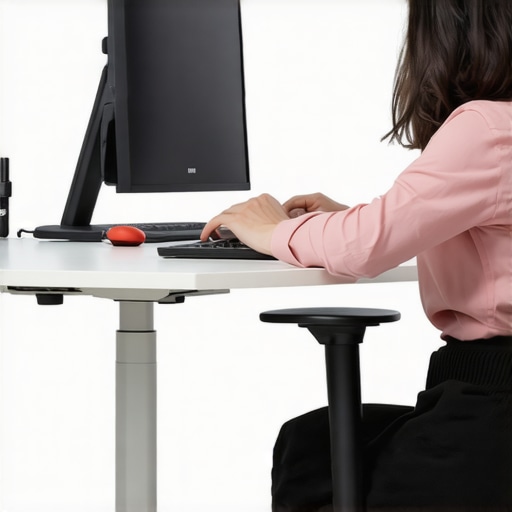
It happens suddenly. You’re sitting at your desk, deep into your work, when a strange numbness creeps down your leg. You try to ignore it, thinking maybe it’s just a pins-and-needles sensation from sitting too long. But as the minutes tick by, the tingling intensifies, radiating into discomfort and even panic. I remember my own wake-up call—the lightbulb moment when I realized that this strange sensation was more than just a nuisance; it was a warning sign.
Why Ignoring Leg Tingling Can Lead to Bigger Problems
Living through those frustrating episodes, I learned the hard way that ignoring persistent leg tingling isn’t just about a temporary inconvenience. It often signals underlying issues like sciatica, which can worsen over time if left unaddressed. For many desk workers, this subtle symptom is the first sign of nerve impingement caused by prolonged poor posture or inadequate movement routines. According to health experts, nerve compression from sciatic impingement can lead to chronic pain, muscle weakness, and mobility limitations if not managed early.
But here’s the thing—most people, myself included at first, make a common mistake. I thought that stretching, a quick walk, or sitting differently was enough. Turns out, those are just parts of the puzzle. Achieving lasting relief requires a comprehensive approach that targets the root causes—something I had to learn from experience. This is why I’m so passionate about sharing reliable, evidence-based strategies to combat sciatic issues, because nobody should suffer in silence or remain confused about what’s really going on.
If you’ve ever experienced that unsettling tingling or numbness in your legs while working at your desk, you’re not alone. Many fall into the trap of dismissing it as a minor discomfort, not realizing it could evolve into something more serious, like chronic sciatica. But the good news? There are proven ways to address this issue effectively by adopting simple yet impactful lifestyle changes and mobility routines.
In this post, I’ll guide you through a practical, step-by-step checklist designed specifically for desk workers in 2026. We’ll cover tried-and-true techniques to reduce nerve pressure, improve mobility, and ultimately, regain your comfort and confidence. Ready to take charge of your health behind the screen? Let’s dive into the real solutions that can transform your workdays from painful to pain-free.
Stretching Smartly for Lasting Relief
Begin with targeted stretches that gently loosen the sciatic nerve and surrounding muscles. I recall a morning I spent doing hamstring and piriformis stretches—simply sitting and leaning forward or crossing one leg over the other. Initially, it felt awkward, like trying to untangle a knot in your shoelaces. But consistent stretching, about twice daily, significantly eased my discomfort over a week. Focus on stretches that target your hips and lower back to reduce nerve impingement. For detailed routines, check out these mobility exercises.
Adopt Ergonomic Sitting Habits
Think of your posture as the foundation of a house: if it’s shaky, everything else suffers. Adjust your chair so that your feet are flat on the ground, knees at a 90-degree angle, and your lumbar support aligns with your lower back. I once forgot my back pillow during work and noticed my pain worsened by afternoon. After inserting a lumbar roll and setting my monitor at eye level, the pressure on my sciatic nerve decreased noticeably. Incorporate ergonomic tools intentionally; they’re your first line of defense. Learn more at ergonomic improvements.
Move Regularly to Prevent Stiffness
Sitting still is like a car idling—it’ll eventually stall. Set a timer to stand up every 30 minutes. During those breaks, walk a few steps or do gentle hip circles to keep blood flowing. I once attempted the Pomodoro technique, but I found that I needed at least 2-minute walks to keep my muscles from tightening. These micro-movements prevent nerve compression and promote flexibility. For quick routines, visit mobility routines.
Incorporate Core Strengthening Exercises
A strong core acts like a supportive core in a tent—without it, the structure collapses under pressure. I started doing planks and bird-dogs twice weekly, which felt awkward at first, like trying to balance on a wobbly stool. Over time, I noticed my back and hips stabilized, reducing sciatic flare-ups. Focus on strengthening your abdominal and lower back muscles to ease pressure on your sciatic nerve. More details are available at core strengthening tips.
Prioritize Restorative Movement Techniques
Integrate gentle yoga poses or tai chi moves that promote flexibility and balance. I found that a few minutes of cat-cow stretches and child’s pose after long periods of sitting made a huge difference, like releasing tension in a tight rubber band. These movements help realign your spine and decompress the nerve pathways. For step-by-step guides, see restorative movement methods.
Stay Consistent and Patient
Relief doesn’t happen overnight; it’s like tending a garden—consistent care yields growth. I committed to these routines daily, adjusting as my body adapted. The key is persistence; even a few minutes a day compound into significant improvements over weeks. Track your progress and listen to your body—if certain movements increase discomfort, modify or consult a professional. For comprehensive guidance, explore lifestyle adjustments.
Many believe that stretching is the universal cure-all for back pain and sciatica, but in my experience, this is a common misconception. Overemphasizing flexibility without addressing core stability and posture often leads to temporary relief at best. For example, individual flexibility might look promising, but if foundational strength isn’t considered, the pain frequently returns. This oversight can become a trap, causing one to chase endless stretches while neglecting more critical factors like joint mechanics and muscle imbalances. Cutting through this myth requires understanding that holistic movement patterns, not just isolated stretches, are essential for lasting relief.
Are You Missing the Nuance in Spinal Mobility?
When it comes to mobility, many focus solely on range of motion, ignoring the importance of controlled, deliberate movement to stabilize joints and prevent injury. According to Dr. Stuart McGill, a leading spine expert, dynamic stability—controlled motion within safe ranges—is far more beneficial than maximum flexibility alone. Neglecting this can inadvertently increase the risk of injury, as the body becomes less capable of maintaining proper alignment under load. Additionally, rushing into aggressive mobility routines without proper technique can aggravate existing issues, leading to setbacks. To truly enhance spinal health, a combination of stability, strength, and mobility exercises, practiced consistently, is crucial. You can learn more about these comprehensive strategies in cornerstone content on proven mobility techniques for back health. Have you ever fallen into this trap? Let me know in the comments.Maintaining your progress in overcoming back pain and sciatic issues requires more than just exercises; it involves leveraging the right tools and methods for sustained success. Personally, I swear by foam rollers like the TriggerPoint GRID X, which I use daily to release muscle tightness in my hips and lower back, preventing nerve impingement and promoting flexibility. I also rely heavily on ergonomic accessories such as adjustable standing desks and lumbar support cushions, ensuring consistent posture correction as part of my routine. Incorporating mobility software like the UpRight GO posture trainer has been transformative, providing real-time feedback to help me maintain healthy spinal alignment throughout the day, and I recommend it to anyone serious about long-term management. Looking ahead, I predict that the integration of AI-powered posture correction devices will become standard, offering personalized insights that optimize movement and prevent issues before they arise. This proactive approach aligns with advancements I’ve seen in health tech, where data-driven tools facilitate smarter, more effective habits.
How do I maintain my mobility efforts over time?
Consistency is key. Schedule regular body scans or posture assessments using apps like Clinico or myOTS to identify emerging issues early. These tools track your movement patterns and alert you when your habits deviate from healthy norms, allowing for prompt corrections. Moreover, incorporate dynamic mobility routines into your daily schedule, like brief yoga flows that address your unique stiffness points—tools such as the Gaiam Essentials Yoga Block can enhance your stretches and improve efficiency. Remember, even the best equipment won’t help if you neglect regular practice; set reminders and keep your tools accessible. For more detailed strategies, explore the comprehensive insights available at this resource. Lastly, consult with movement specialists or physiotherapists who can recommend tailored toolkits designed for your specific conditions, ensuring your efforts remain effective over the years. A study by Dr. Stuart McGill emphasizes the importance of combining mobilization devices with proper technique to prevent injury and maintain long-term spinal health, underscoring the value of informed tool use in this journey. Try integrating one of these advanced tools this week to experience how tech can boost your mobility maintenance. Your future self will thank you for your investment in lasting relief.
Beyond the Surface: Hidden Lessons From My Back Journey
One of the biggest revelations I had was that flexibility alone isn’t enough; true relief comes from integrating strength, posture, and consistent movement. I used to chase after every new stretch, believing it was the magic bullet, but I realized that building a resilient core and maintaining awareness of daily habits were what truly made the difference. It taught me that sustainable progress intertwines small daily choices with a deeper understanding of my body’s unique needs.
Another insight was recognizing the importance of patience. Relief doesn’t happen overnight, and forcing results often leads to setbacks. Embracing a gentle, steady approach allowed my body to adapt and heal more effectively. This perspective shifted my mindset from quick fixes to long-term wellness, a lesson I wish I’d learned sooner, as it can save you unnecessary frustration and setbacks.
Lastly, I discovered that mind-body connection is underrated. Listening to pain signals and respecting my body’s boundaries prevented further injury. Mindful movement and breathing techniques complemented physical routines, creating a holistic path to recovery. Trusting this inner dialogue with your body can be your most powerful tool in overcoming sciatic issues.
Tools That Empower My Mobility Journey
My go-to resource remains this comprehensive guide, which covers everything from lifestyle adjustments to proven exercises. It’s rooted in evidence-based strategies that resonate with real experiences—mine included. For targeted relief, I rely on foam rollers like the TriggerPoint GRID X, which help release muscle tightness and improve flexibility. Ergonomic gear such as adjustable desks and lumbar cushions have transformed my workspace into a supportive environment, emphasizing the importance of prevention alongside recovery.
To keep my posture in check throughout busy days, I use tech tools like the UpRight GO posture trainer. It provides instant feedback, reminding me to stay aligned, and this consistent alertness has been vital in maintaining progress. I also stay informed through trusted blogs and professional advice, continuously updating my routines as I learn more about spinal health. Remember, combining these tools with mindful habits amplifies results and empowers you to stay pain-free long-term.
Your Next Step Toward Lasting Comfort
Addressing sciatic pain is a personal journey, but it’s one that rewards persistence and patience. The breakthroughs I’ve experienced teach me that small, consistent actions make all the difference—so start today. Embrace the idea that mobility isn’t just about flexibility but about establishing a balanced strength and awareness that supports your body’s natural design. Your future self will thank you for investing in these lasting, empowering habits.
What’s one small change you’re willing to try this week to improve your mobility or reduce sciatic discomfort? Drop your thoughts below—I’d love to hear your story and support your progress!